



Metal production is fundamental to modern civilization, supporting industries such as construction, transportation, energy, and technology. However, traditional metal extraction and processing methods are energy-intensive and contribute significantly to greenhouse gas emissions, resource depletion, and environmental degradation. As global demand for metals continues to rise, the focus has shifted toward sustainable metal production methods that reduce environmental impact while maintaining industrial growth.
One of the most impactful strategies in sustainable metal production is recycling and circular economy integration. Metals such as aluminum, copper, and steel can be recycled repeatedly without losing their properties. Recycling requires substantially less energy compared to primary extraction from ores. For instance, recycled aluminum production consumes up to 95% less energy than producing aluminum from bauxite. Organizations like the International Energy Agency emphasize recycling as a critical pathway to reducing carbon emissions in heavy industries. Expanding scrap collection systems and improving recycling infrastructure significantly contribute to lowering the sector’s environmental footprint.
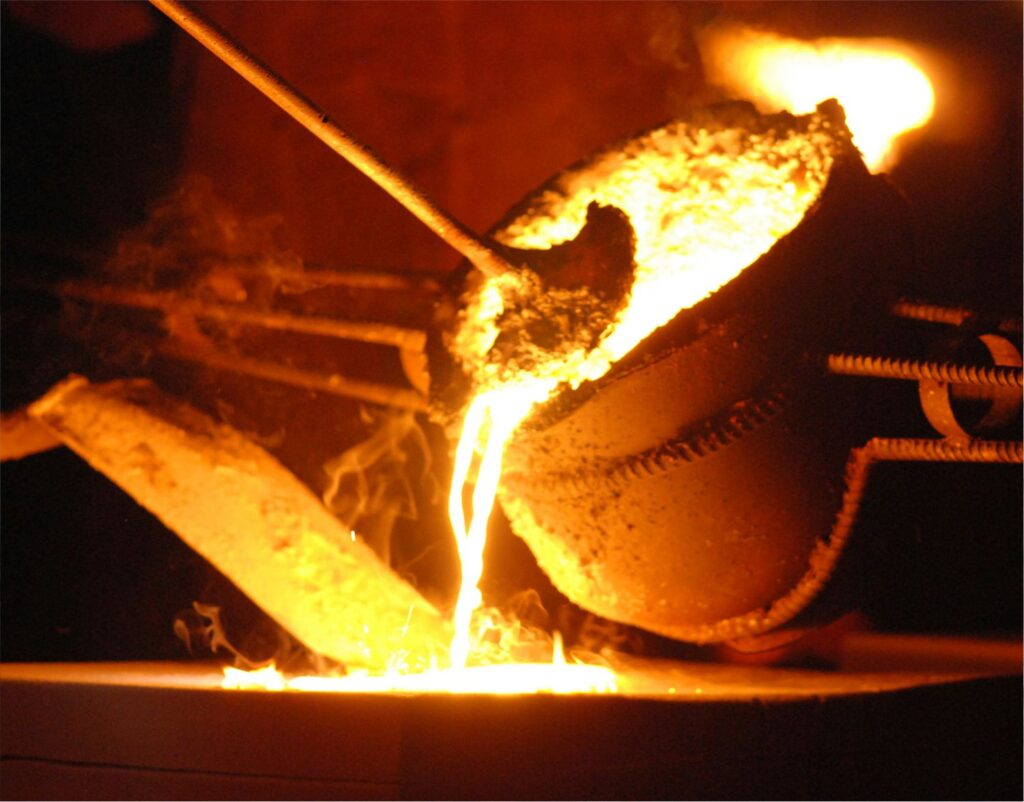
Another transformative approach is the adoption of low-carbon and renewable energy sources in smelting and refining processes. Metal production traditionally relies on coal-based energy, particularly in steel manufacturing. However, innovative technologies such as hydrogen-based direct reduced iron (DRI) are emerging as cleaner alternatives. Instead of using carbon-intensive coke, hydrogen reacts with iron ore to produce water vapor rather than carbon dioxide. Companies like ArcelorMittal are investing in pilot projects that integrate renewable hydrogen into steel production, signaling a major shift toward decarbonization.
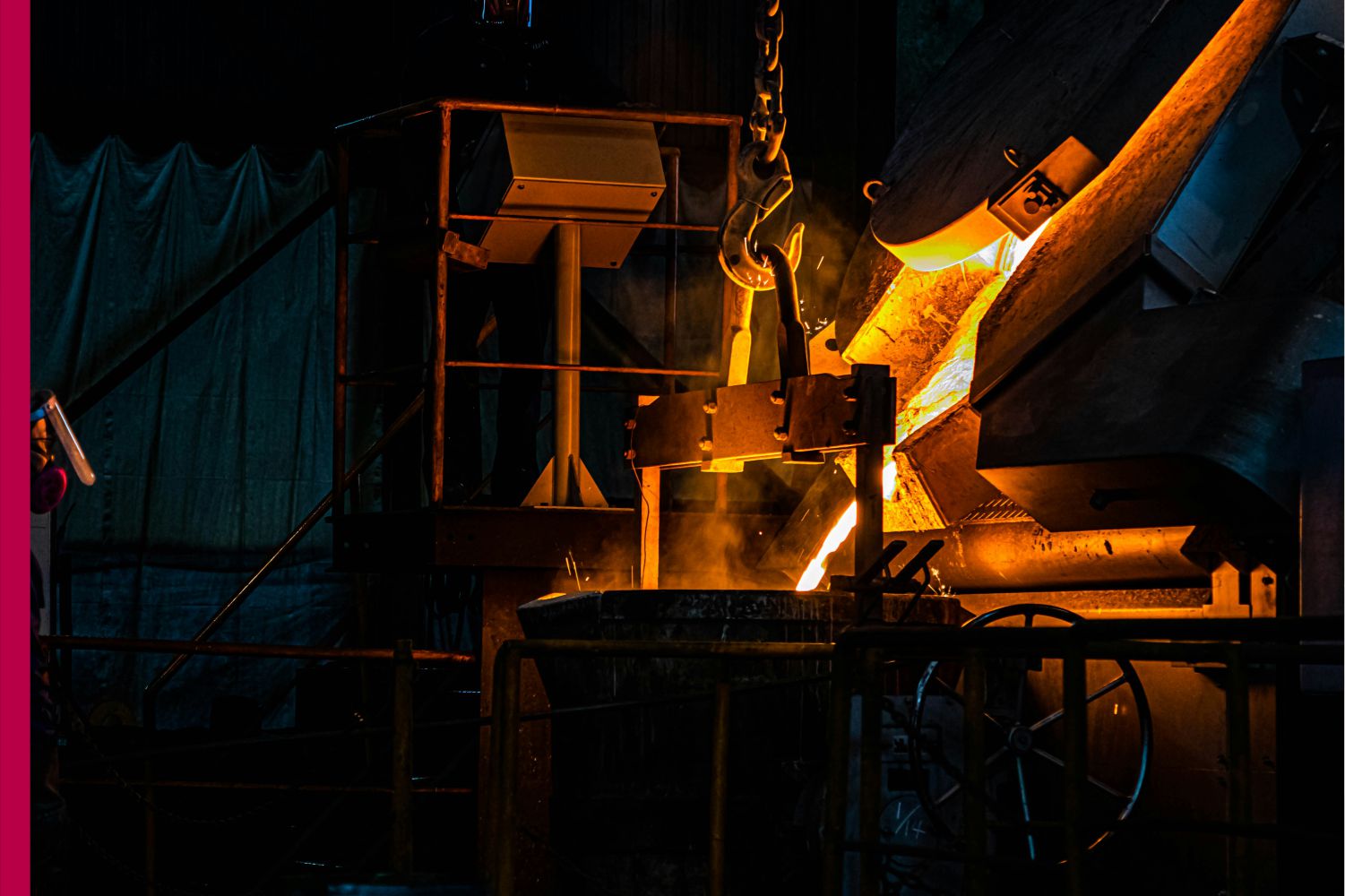
Energy efficiency improvements also play a vital role in sustainable production. Modern furnaces, waste heat recovery systems, and advanced automation reduce fuel consumption and emissions. Smart manufacturing systems powered by digital monitoring tools optimize temperature control, raw material usage, and operational timing. These technologies minimize waste and ensure higher output with lower resource input, aligning economic and environmental objectives.
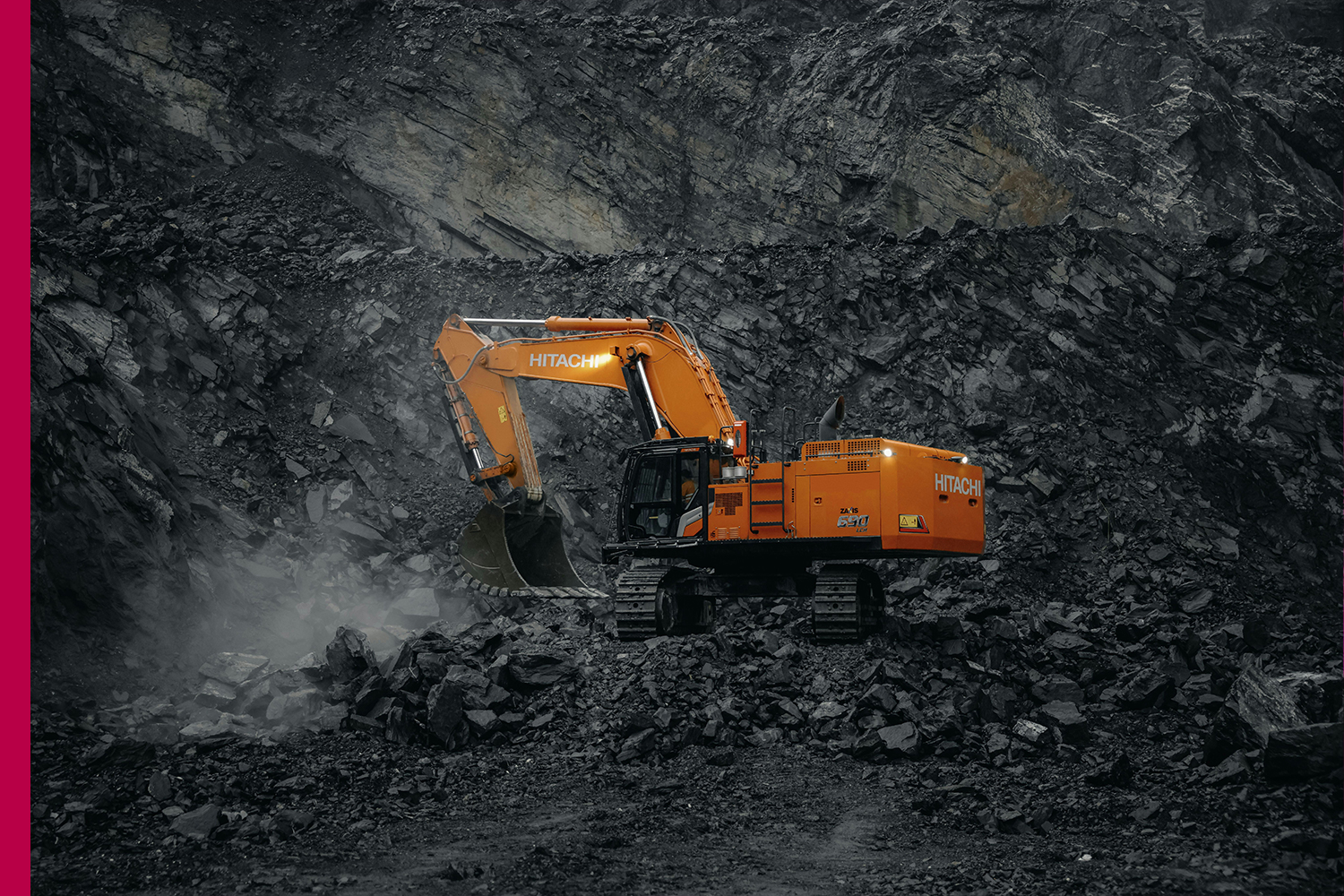
Responsible mining practices further support sustainability in metal production. Sustainable mining involves reducing land degradation, minimizing water pollution, and restoring ecosystems after extraction activities. Strict environmental standards and transparent reporting frameworks help ensure compliance and accountability. International frameworks promoted by organizations such as the United Nations encourage mining companies to align operations with global sustainability goals, including responsible consumption and climate action.
Water management is another critical aspect. Metal processing requires significant water usage for cooling and cleaning. Sustainable facilities implement closed-loop water systems that recycle and treat water, reducing freshwater consumption and preventing contamination of nearby ecosystems. Additionally, efforts to reduce tailings waste and improve safe storage technologies mitigate environmental risks associated with mining residues.
Despite technological advancements, challenges remain. High investment costs, limited access to renewable energy in certain regions, and fluctuating metal prices can slow adoption of sustainable practices. However, growing regulatory pressure, investor demand for Environmental, Social, and Governance (ESG) compliance, and consumer preference for eco-friendly products are accelerating industry transformation.
In conclusion, sustainable metal production methods represent a critical step toward balancing industrial growth with environmental stewardship. Through recycling, clean energy integration, energy efficiency, responsible mining, and improved water management, the metal industry can significantly reduce its carbon footprint. As innovation continues and global collaboration strengthens, sustainable metal production will play a pivotal role in building a resilient and low-carbon future.