





In an era dominated by instant news updates, viral content, and social media influence, the importance of ethics in modern journalism has never been greater. Journalism plays a vital role in shaping public opinion, holding power accountable, and informing democratic societies. However, rapid technological changes and competitive pressures have introduced new ethical challenges. Maintaining credibility, accuracy, and integrity is essential to preserving public trust.
At the core of journalism ethics lies the principle of truth and accuracy. Journalists are responsible for verifying information before publication, ensuring facts are presented clearly and without distortion. Reputable organizations such as Society of Professional Journalists emphasize accuracy as the foundation of ethical reporting. In a digital environment where misinformation spreads quickly, fact-checking and responsible sourcing are critical safeguards against false narratives.
Another cornerstone is independence and impartiality. Ethical journalism requires reporters to remain free from conflicts of interest, political influence, or corporate pressure. The public relies on media outlets to provide balanced perspectives rather than promotional or biased content. News institutions like BBC have built global reputations by striving for editorial independence and rigorous standards, even while operating in complex political landscapes.
The rise of social media has introduced additional ethical complexities. Platforms such as Twitter and Facebook enable real-time reporting and citizen journalism, but they also blur the lines between verified news and personal opinion. Journalists must navigate the pressure to publish quickly while ensuring information is credible. The race for clicks and engagement can sometimes tempt media outlets to prioritize sensational headlines over responsible reporting, making ethical discipline even more crucial.
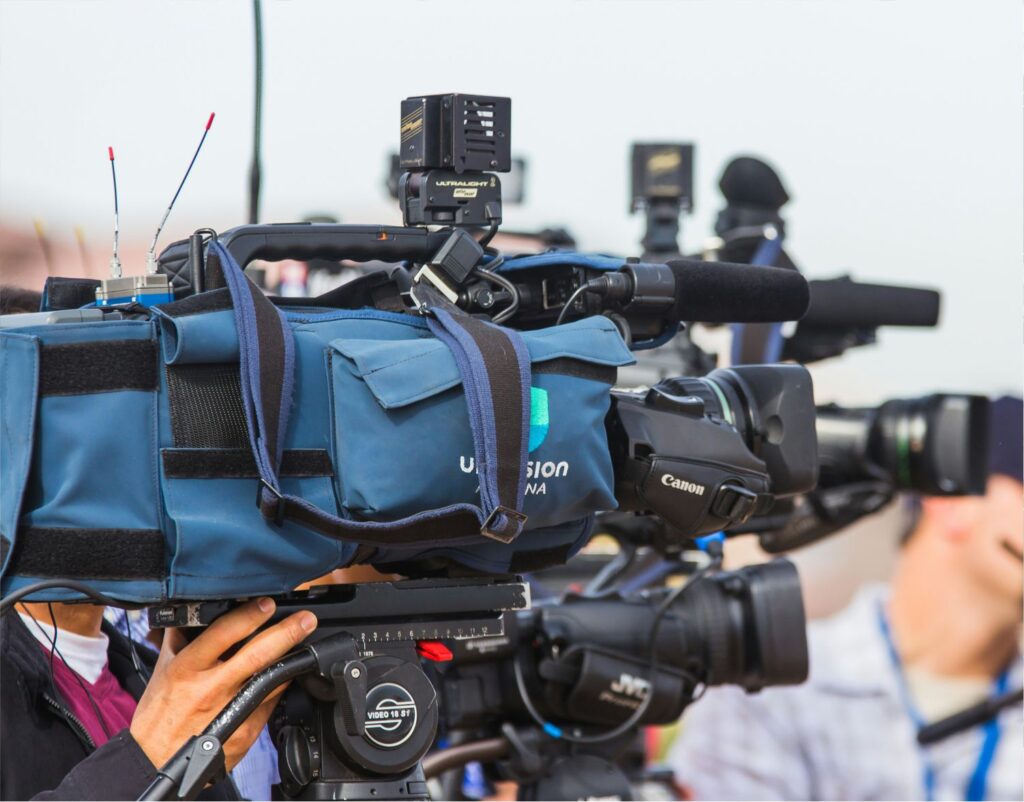
Transparency and accountability are also fundamental to modern journalism ethics. When errors occur, news organizations have a duty to correct them promptly and openly. Clear distinctions between news reporting, opinion pieces, and sponsored content help audiences understand the context of information. Transparency about sources, when possible, strengthens trust and reinforces credibility.
Respect for privacy and human dignity further defines ethical journalism. While the public has a right to know, individuals also have a right to privacy. Journalists must carefully balance these interests, particularly in cases involving crime victims, minors, or sensitive personal matters. Ethical decision-making requires thoughtful consideration of the potential harm that publication may cause.
The digital transformation of media has also amplified concerns about misinformation and “fake news.” Independent fact-checking organizations and media literacy initiatives have emerged to combat false information. Newsrooms increasingly invest in verification tools and editorial oversight to maintain standards in a fast-moving information ecosystem.
In conclusion, ethics in modern journalism serve as the backbone of credible and responsible reporting. As technology continues to reshape how news is produced and consumed, journalists must remain committed to truth, independence, transparency, and accountability. Upholding these principles ensures that journalism continues to inform, empower, and protect democratic societies in an increasingly complex digital world.