



Artificial Intelligence (AI) is rapidly reshaping the retail industry, with personalization emerging as one of its most powerful applications. Today’s consumers expect shopping experiences that are relevant, convenient, and tailored to their individual preferences. AI in retail personalization enables businesses to meet these expectations by analyzing vast amounts of data and delivering customized interactions across digital and physical channels.
At the core of AI-driven personalization is data analysis. Retailers collect data from multiple touchpoints, including browsing behavior, purchase history, search patterns, location data, and even social media interactions. AI algorithms process this data to understand customer preferences, predict future behavior, and create detailed customer profiles. These insights allow retailers to offer the right product, at the right time, through the right channel.
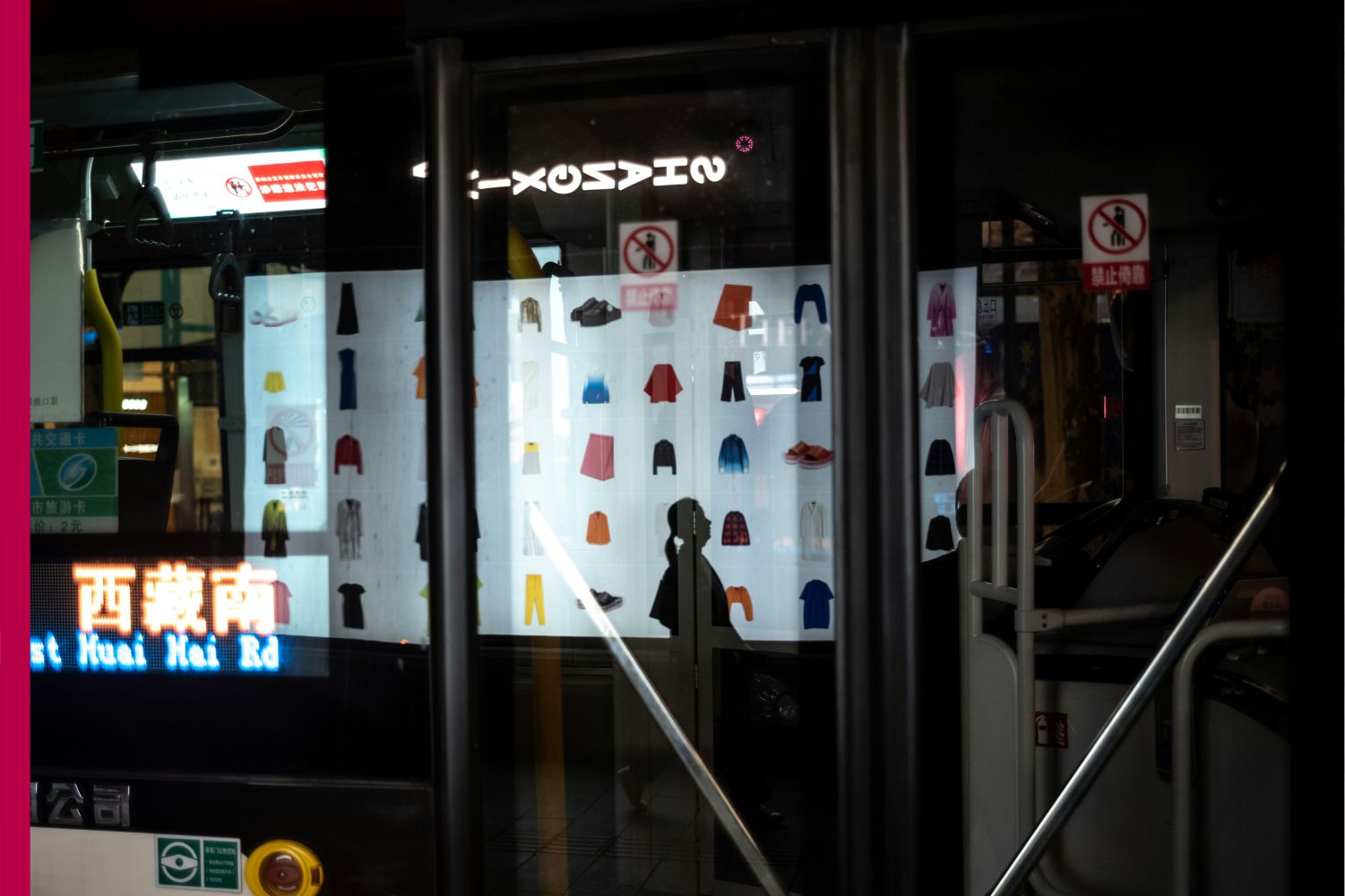
One of the most visible applications of AI in retail personalization is product recommendations. AI-powered recommendation engines analyze past purchases and browsing habits to suggest products that align with a customer’s interests. This approach not only improves the shopping experience but also increases average order value and conversion rates. Leading retailers such as Amazon have set industry benchmarks by using AI to deliver highly accurate and dynamic product recommendations.
Personalized marketing is another major benefit of AI in retail. AI tools help retailers design targeted email campaigns, push notifications, and advertisements based on individual customer behavior. Instead of sending generic promotions, retailers can deliver personalized offers, discounts, and content that resonate with specific customer segments. This results in higher engagement, improved customer loyalty, and better return on marketing investment.
AI also enhances personalization through dynamic pricing and promotions. By analyzing demand patterns, competitor pricing, inventory levels, and customer sensitivity to price changes, AI systems can adjust prices in real time. Personalized pricing strategies help retailers remain competitive while maximizing profitability, especially during peak shopping seasons or promotional events.
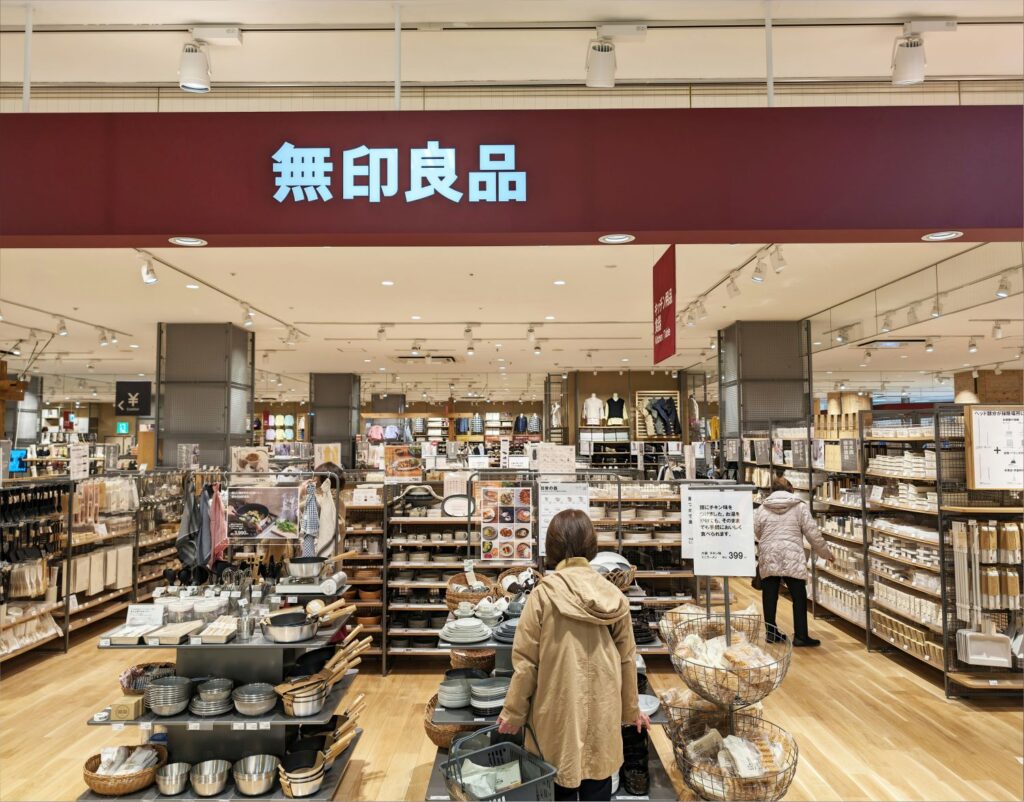
In-store personalization is gaining momentum with the integration of AI and smart technologies. AI-powered cameras, sensors, and digital displays help retailers understand in-store behavior, such as foot traffic patterns and product interactions. This data enables personalized in-store experiences, including customized promotions, smart fitting rooms, and location-based offers. Large retailers like Walmart are leveraging AI to bridge the gap between online and offline personalization.
Customer support has also been transformed by AI-driven personalization. Chatbots and virtual assistants provide instant, personalized responses to customer queries, recommend products, track orders, and resolve issues efficiently. These systems learn from past interactions, continuously improving their accuracy and relevance while reducing operational costs.
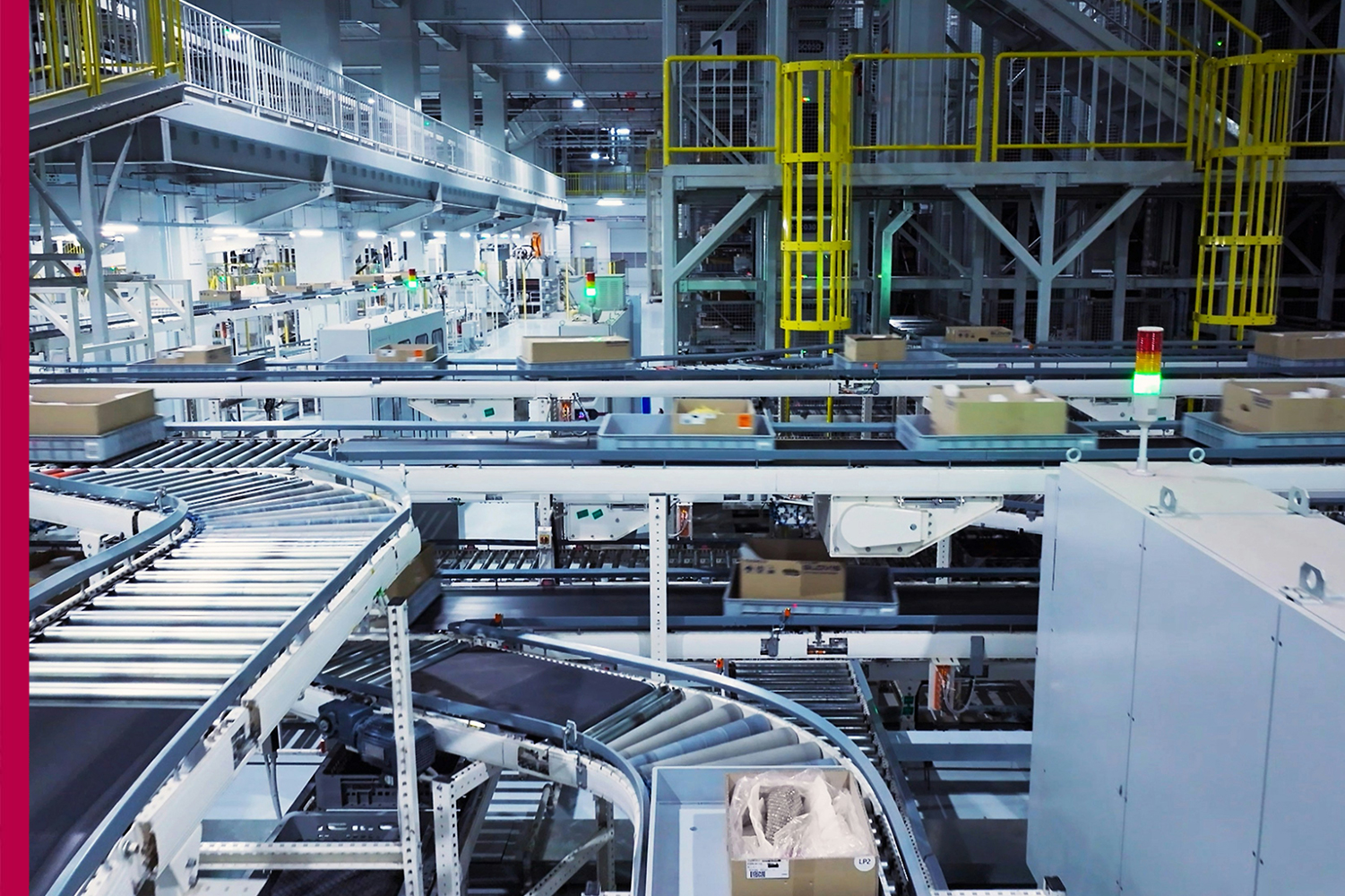
AI-powered personalization contributes significantly to inventory management and supply chain efficiency. By predicting customer demand more accurately, retailers can optimize stock levels and reduce overstocking or shortages. Personalized insights help ensure that popular products are available where and when customers need them, improving satisfaction and reducing waste.
Despite its advantages, AI in retail personalization comes with challenges. Data privacy, security, and ethical use of customer information are critical concerns. Retailers must ensure transparency, obtain customer consent, and comply with data protection regulations to build trust and maintain long-term relationships.
In conclusion, AI in retail personalization is redefining how retailers connect with customers. By delivering tailored experiences, personalized recommendations, and targeted engagement, AI helps retailers boost sales, enhance loyalty, and stand out in a competitive market. As AI technologies continue to evolve, personalization will remain a key driver of innovation and success in the retail industry.