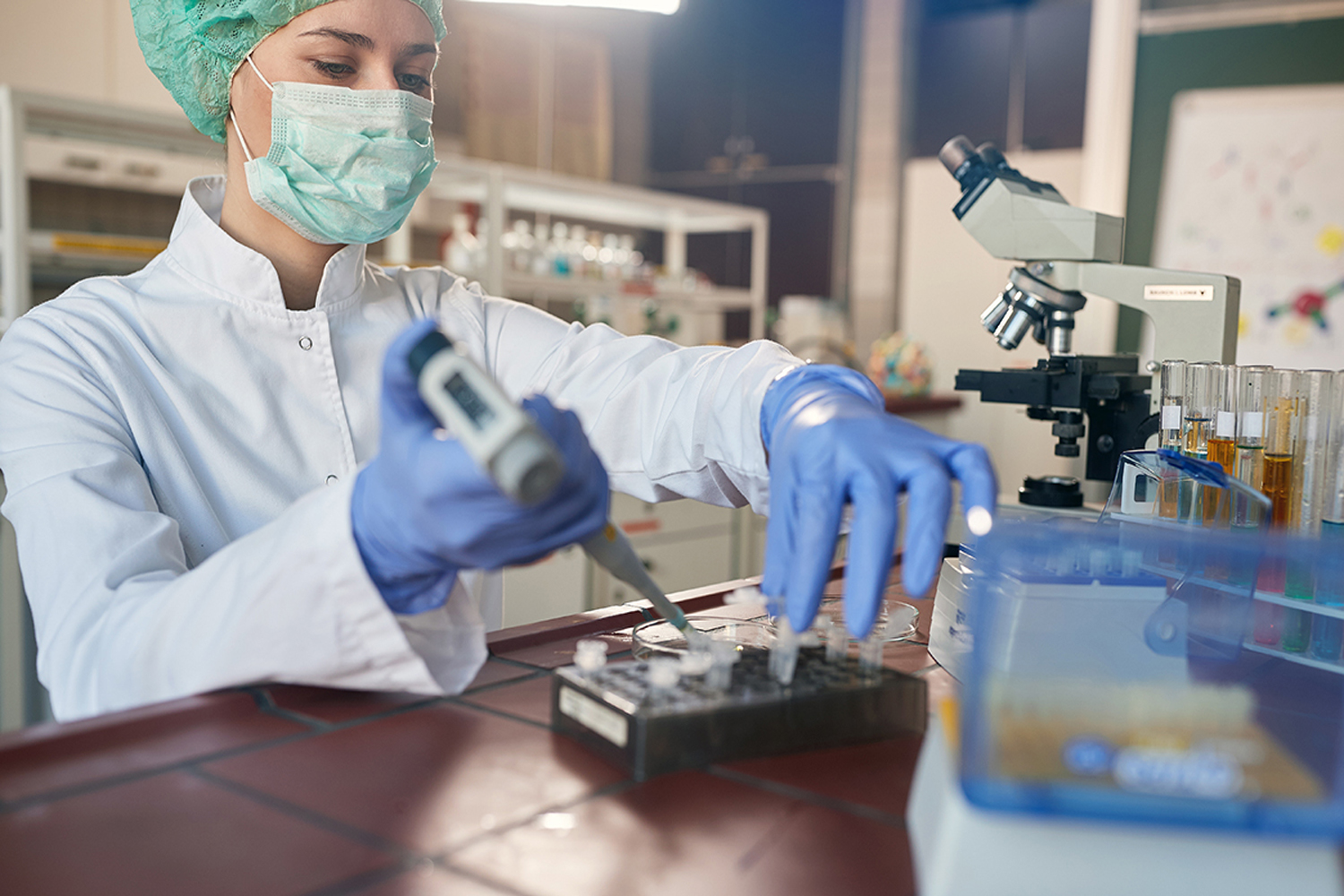




Biotechnology has become a cornerstone of modern disease diagnosis, revolutionizing how illnesses are detected, monitored, and managed. By combining biology with advanced technology, biotechnology enables faster, more accurate, and more personalized diagnostic solutions. From infectious diseases to genetic disorders and cancer, biotech-driven diagnostics are improving patient outcomes and reshaping healthcare systems worldwide.
One of the most significant contributions of biotechnology to disease diagnosis is early detection. Traditional diagnostic methods often rely on visible symptoms, which may appear only after a disease has progressed. Biotech tools, such as molecular diagnostics, allow clinicians to identify diseases at the genetic or cellular level long before symptoms develop. Early diagnosis not only increases the chances of successful treatment but also reduces healthcare costs by preventing complications.
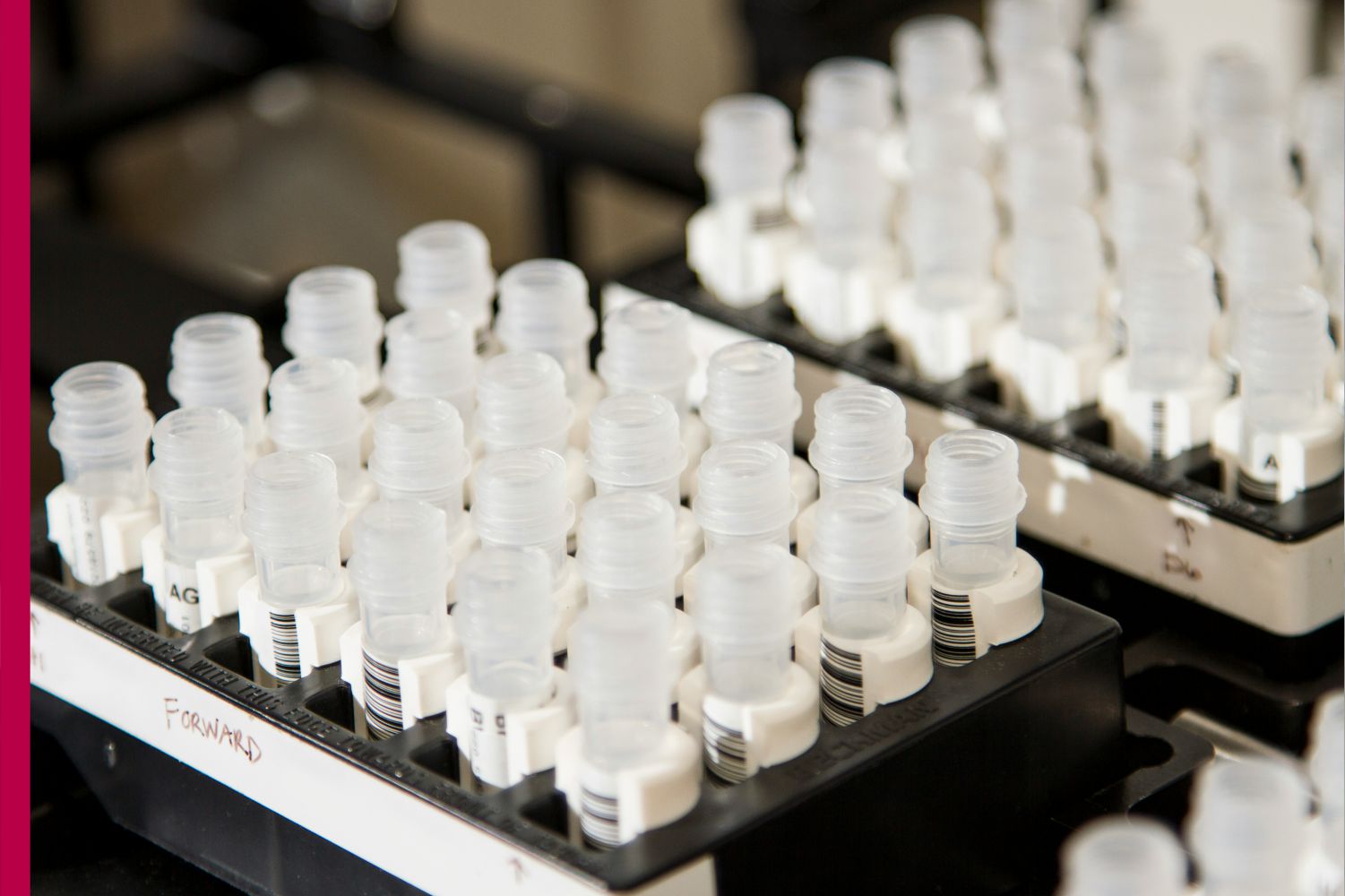
Biotechnology plays a vital role in diagnosing infectious diseases. Techniques based on DNA and RNA analysis can identify pathogens with high precision, even when present in very small quantities. This accuracy is especially important in controlling outbreaks, as rapid and reliable diagnosis helps healthcare providers isolate cases, begin treatment promptly, and prevent further spread. Biotech-based diagnostic kits are now widely used for detecting viral, bacterial, and fungal infections, offering results in hours rather than days.
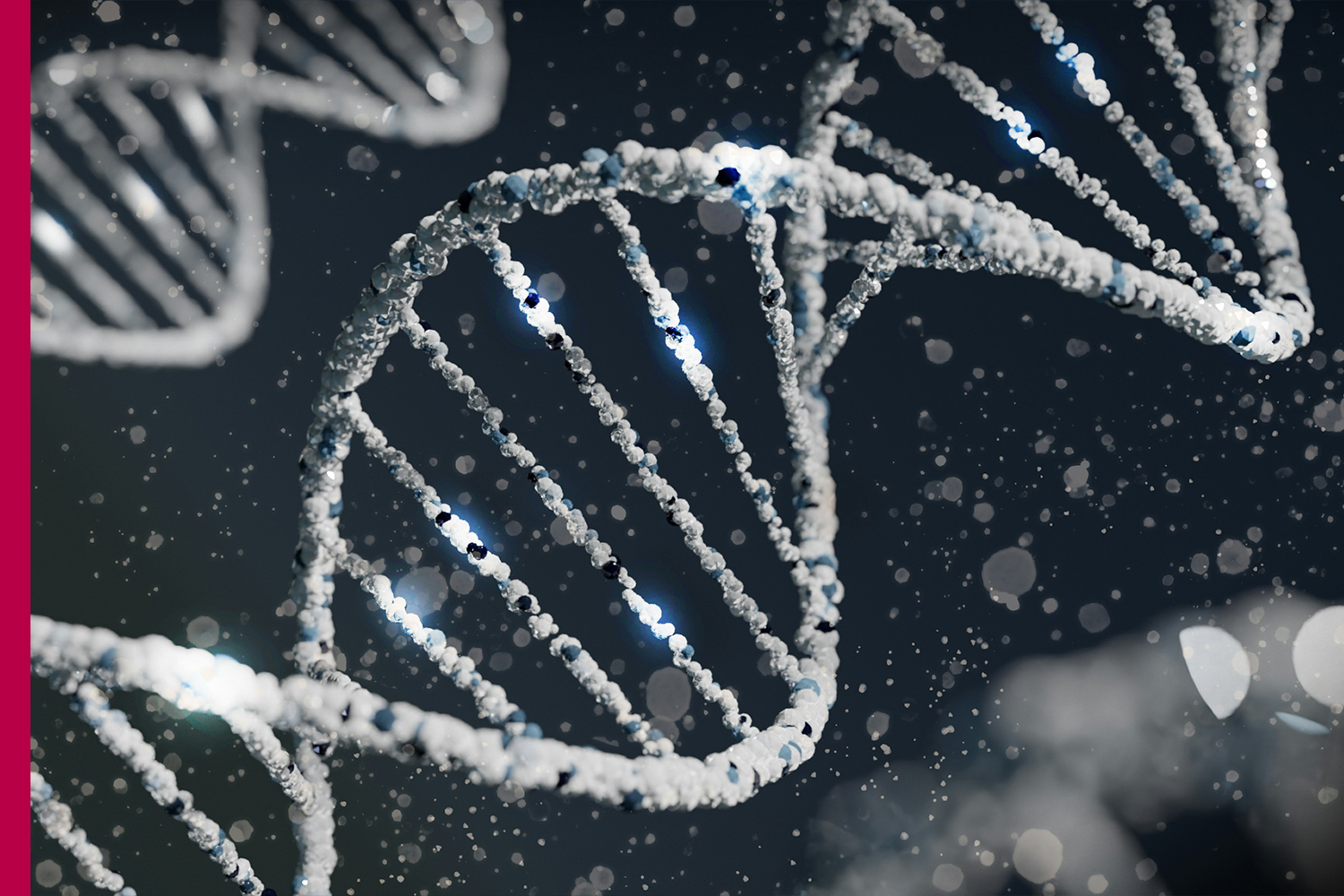
Another major area where biotechnology has made a strong impact is genetic testing. Many diseases, including inherited disorders and certain cancers, have a genetic basis. Biotechnological advancements allow doctors to analyze an individual’s genetic makeup to identify mutations linked to specific conditions. This not only aids in diagnosis but also supports predictive testing, helping individuals understand their risk of developing certain diseases and take preventive measures early.
Cancer diagnosis has also been transformed through biotechnology. Advanced diagnostic tools can detect cancer biomarkers—specific molecules produced by cancer cells in blood or tissue samples. These methods improve the accuracy of diagnosis and help determine the type and stage of cancer. As a result, patients can receive targeted therapies that are more effective and cause fewer side effects compared to conventional treatments.
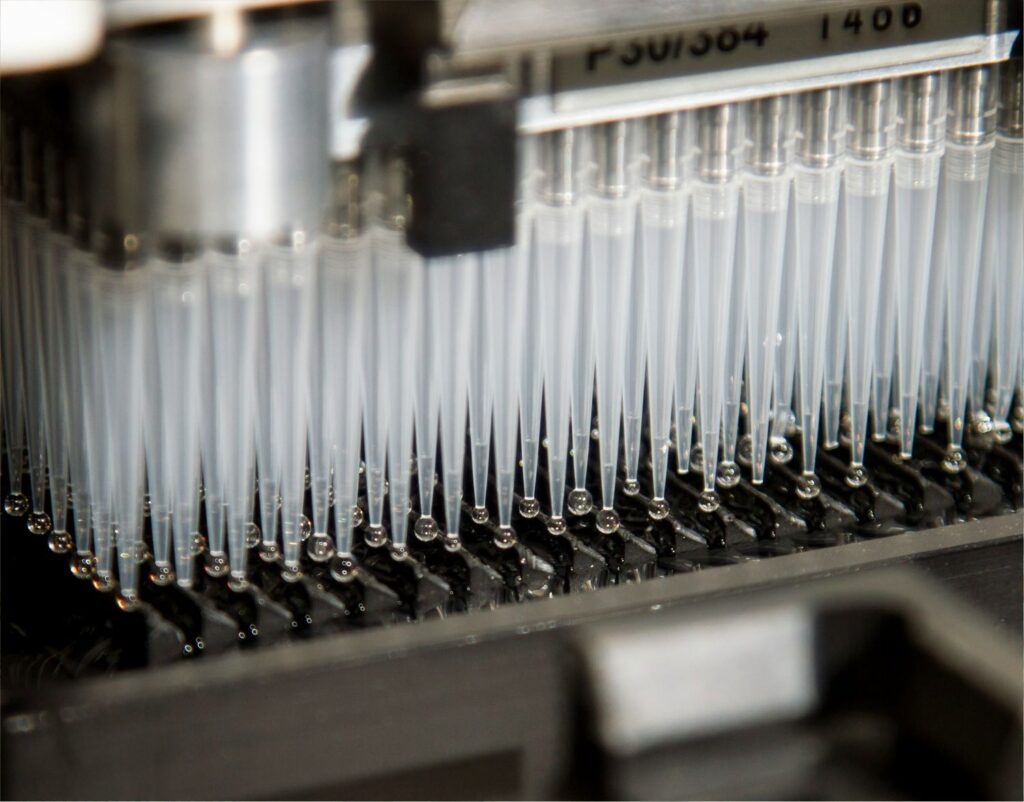
Biotechnology further supports personalized medicine by tailoring diagnostic approaches to individual patients. Instead of a one-size-fits-all model, biotech-based diagnostics consider genetic, molecular, and biochemical differences between individuals. This personalized approach enables healthcare providers to select the most suitable treatments and monitor patient responses more effectively, leading to better clinical outcomes.
In addition to accuracy and personalization, biotechnology has improved the speed and accessibility of diagnostics. Portable diagnostic devices and point-of-care testing solutions allow for quick testing in clinics, remote areas, and even at home. This accessibility is particularly valuable in rural and underserved regions, where access to advanced medical facilities may be limited.
Despite its many advantages, biotech-based diagnosis also faces challenges such as high development costs, regulatory requirements, and the need for skilled professionals. However, continuous research, innovation, and investment are helping overcome these barriers and expand the reach of biotechnology in healthcare.
In conclusion, biotechnology plays a crucial role in disease diagnosis by enabling early detection, improving accuracy, and supporting personalized healthcare. Its applications in infectious disease testing, genetic analysis, and cancer detection have transformed diagnostic practices and significantly enhanced patient care. As biotechnology continues to evolve, its impact on disease diagnosis will only grow, paving the way for a healthier and more proactive approach to medical care.