


The manufacturing sector is undergoing a major transformation driven by digital innovation, automation, and intelligent systems. Known as Industry 4.0, this new era of smart manufacturing integrates advanced technologies such as the Internet of Things (IoT), artificial intelligence (AI), robotics, big data analytics, and cloud computing into traditional production processes. The goal is to create highly efficient, flexible, and connected manufacturing environments that can adapt quickly to changing market demands.
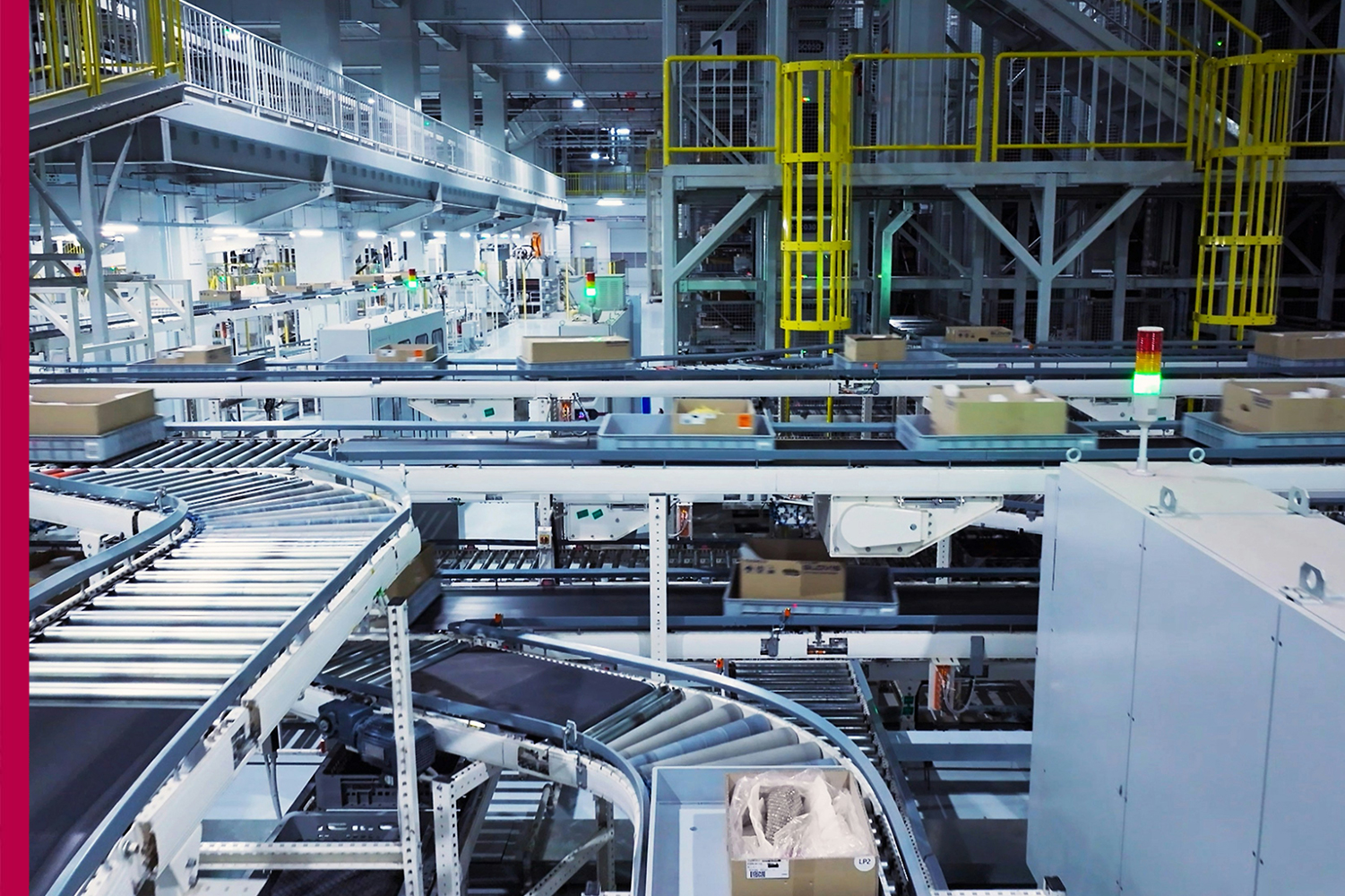
At the heart of Industry 4.0 is connectivity. Machines, sensors, and systems are interconnected through IoT networks, enabling real-time data collection and communication across the production floor. This interconnected ecosystem allows manufacturers to monitor equipment performance, track inventory levels, and analyze production metrics instantly. With access to real-time insights, businesses can make faster and more informed decisions.
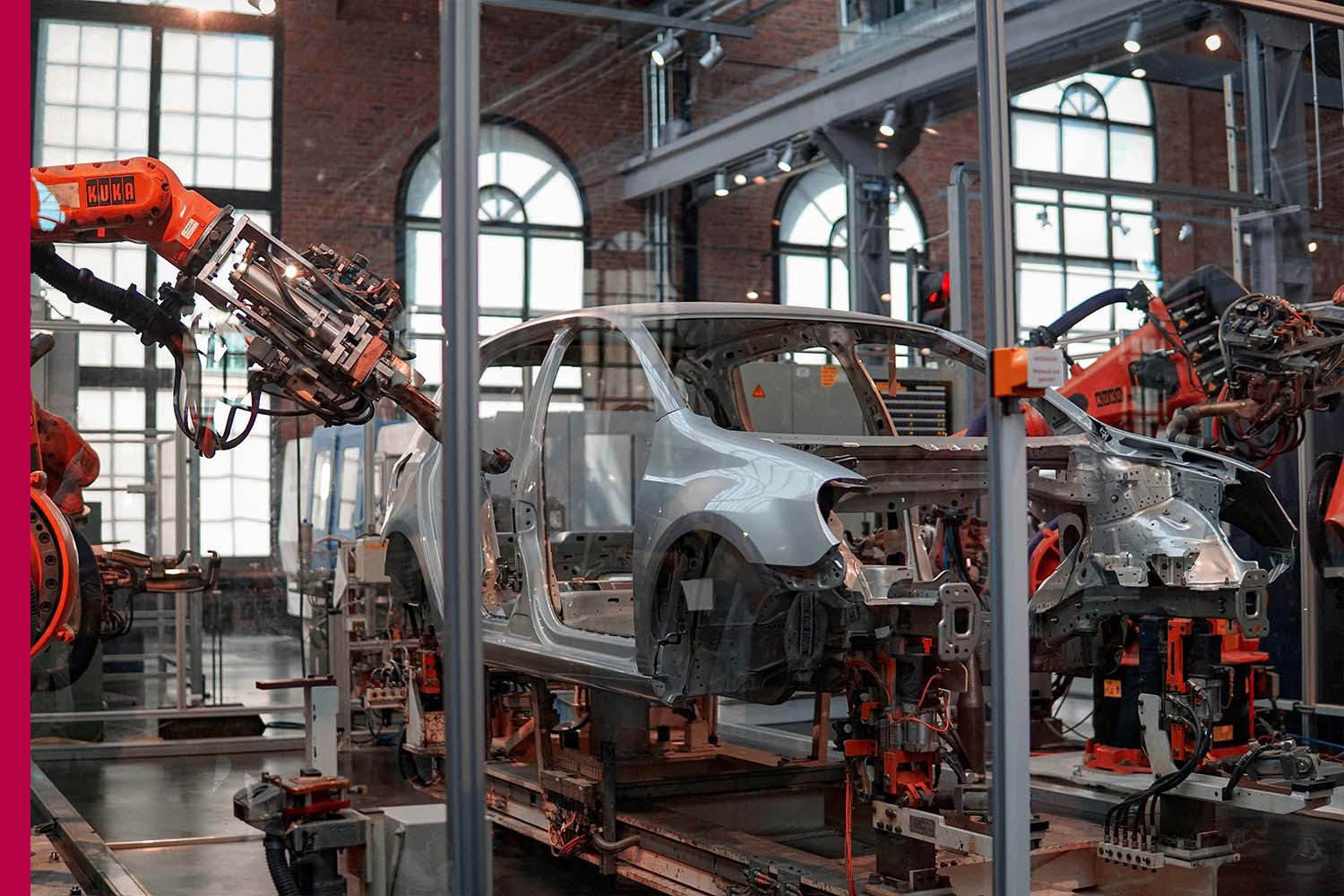
Automation and robotics play a crucial role in smart manufacturing. Advanced robots are capable of performing complex tasks with high precision and consistency. Unlike traditional industrial robots, modern collaborative robots, or cobots, can work safely alongside human workers. This improves productivity while maintaining workplace safety. Automation reduces errors, lowers operational costs, and ensures consistent product quality.
Artificial intelligence and machine learning further enhance manufacturing processes. AI-powered systems analyze large volumes of production data to identify patterns and predict potential equipment failures before they occur. This approach, known as predictive maintenance, minimizes downtime and prevents costly disruptions. By addressing issues proactively, companies can extend the lifespan of machinery and optimize performance.
Big data analytics is another key component of Industry 4.0. Manufacturers generate vast amounts of data from machines, supply chains, and customer interactions. By analyzing this data, companies gain valuable insights into production efficiency, quality control, and consumer preferences. These insights enable businesses to customize products, improve demand forecasting, and reduce waste.
Cloud computing supports smart manufacturing by providing secure storage and easy access to data from anywhere. Cloud platforms allow teams to collaborate seamlessly across different locations, making global operations more efficient. Additionally, digital twins—virtual replicas of physical assets—enable manufacturers to simulate processes, test changes, and optimize performance without disrupting actual production.
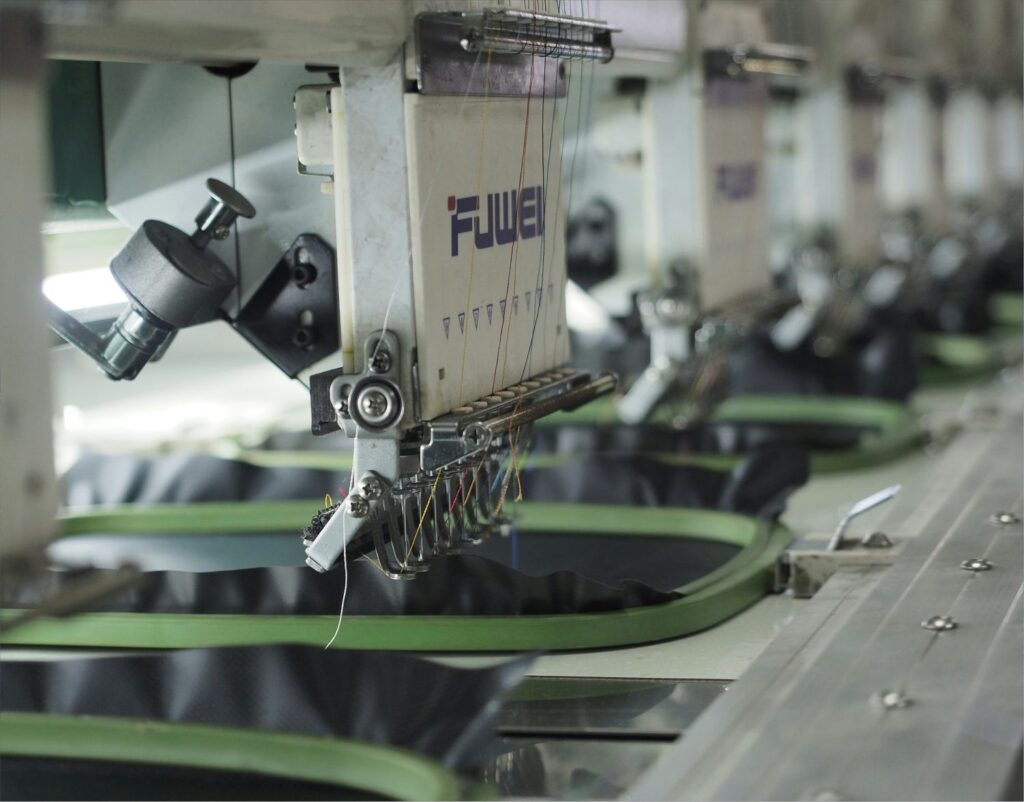
One of the major benefits of Industry 4.0 is increased flexibility. Smart factories can quickly adjust production lines to accommodate new product designs or changes in demand. This agility is essential in today’s competitive market, where customization and fast delivery are critical. Mass customization, once considered impossible, is now achievable with intelligent systems.
Sustainability is also a significant advantage of smart manufacturing. By optimizing resource usage and reducing waste, Industry 4.0 helps lower energy consumption and carbon emissions. Smart energy management systems monitor usage patterns and suggest improvements, contributing to environmentally responsible production.
Despite its many benefits, implementing Industry 4.0 requires strategic planning, investment in technology, and workforce training. Companies must ensure cybersecurity measures are in place to protect sensitive data and maintain system integrity.
In conclusion, Smart Manufacturing Industry 4.0 is reshaping the global production landscape. Through digital integration, automation, and intelligent analytics, manufacturers can achieve greater efficiency, flexibility, and sustainability. As technology continues to advance, Industry 4.0 will play a central role in driving innovation and long-term growth in the manufacturing sector.