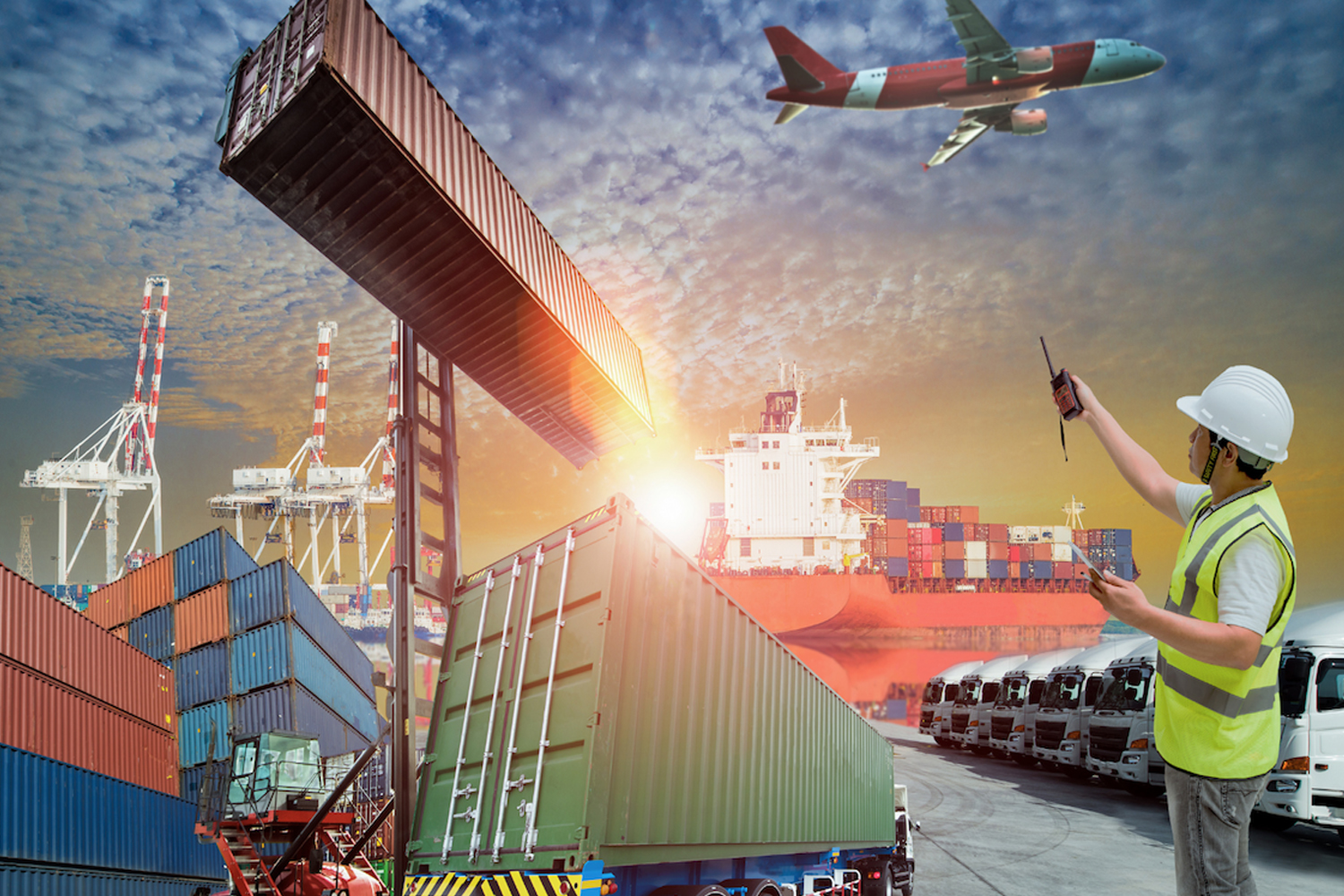

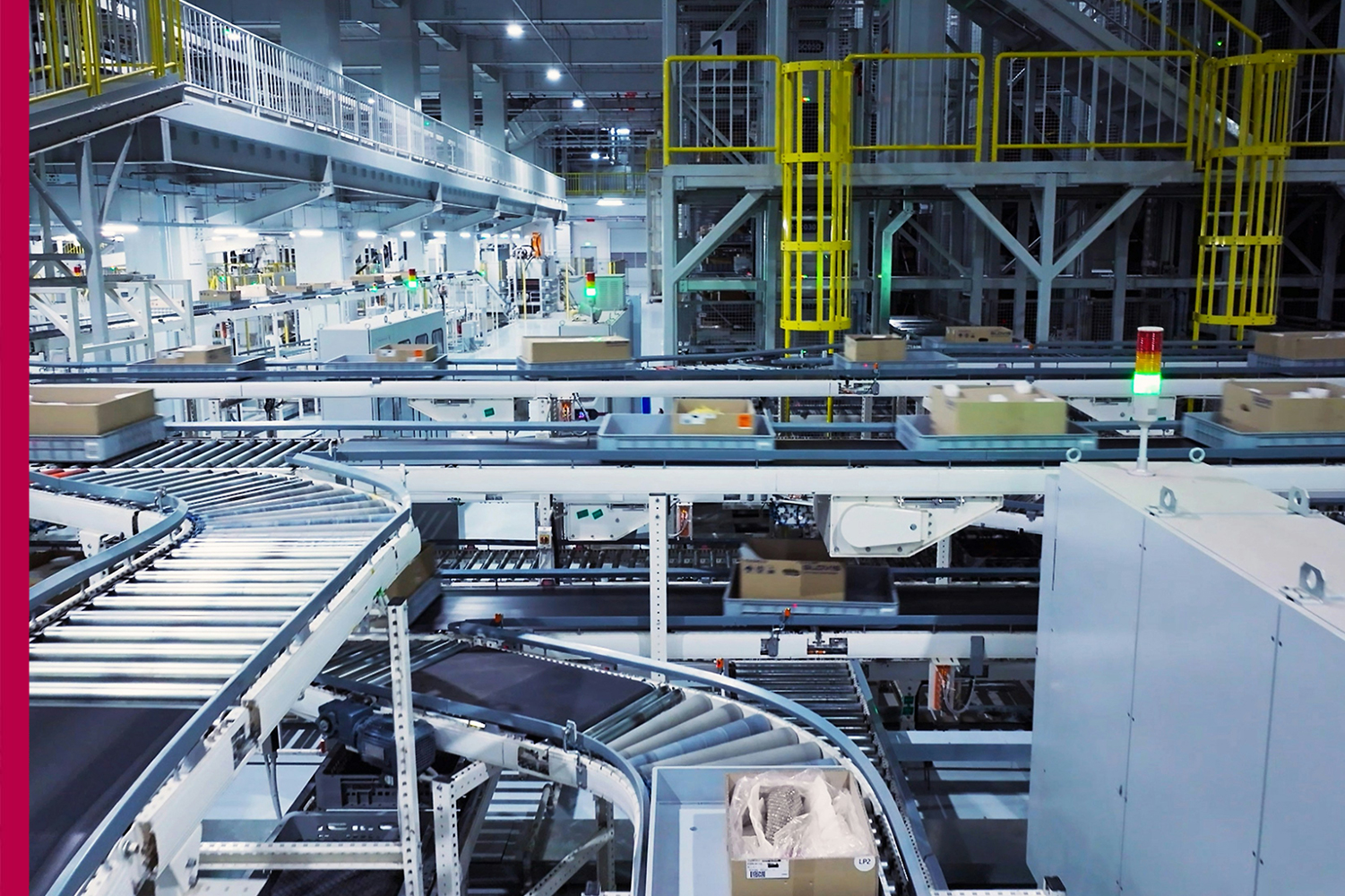


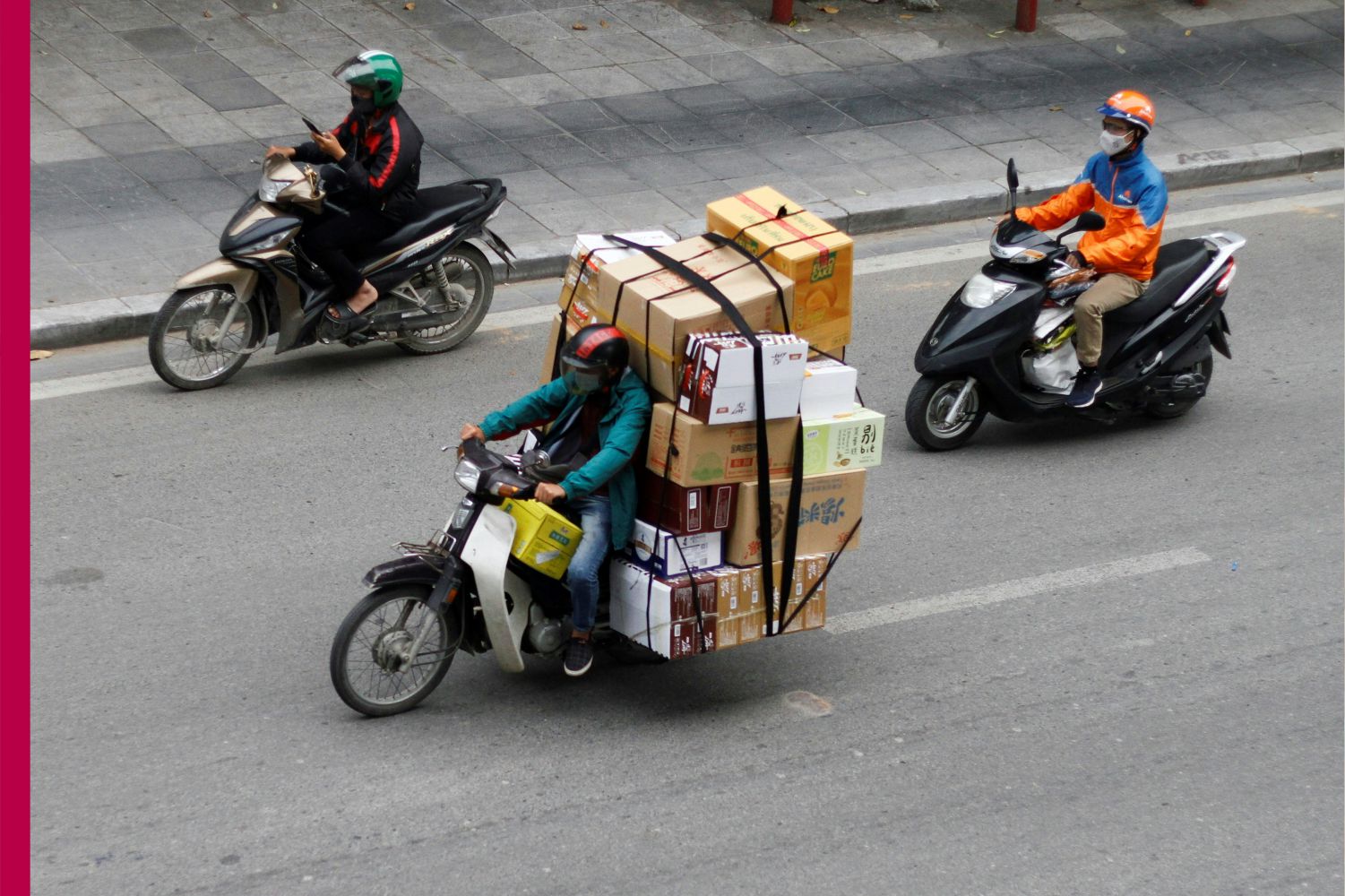
Last mile delivery refers to the final stage of the supply chain, where goods are transported from a distribution center to the end customer. Although it is the shortest segment of the delivery journey, it is often the most complex and expensive. With the rapid growth of e-commerce and rising consumer expectations for fast, reliable shipping, last mile delivery solutions have become a critical focus for logistics companies and retailers worldwide.
One of the main challenges in last mile delivery is meeting customer demand for speed and convenience. Same-day and next-day delivery options have become standard expectations rather than premium services. To address this, companies are investing in advanced route optimization software that uses real-time data, GPS tracking, and artificial intelligence to determine the most efficient delivery routes. This reduces fuel consumption, lowers costs, and ensures timely deliveries.
Technology plays a major role in modern last mile solutions. Mobile apps and digital platforms allow customers to track their packages in real time, receive delivery notifications, and communicate directly with drivers. This transparency improves customer satisfaction and reduces missed deliveries. Automated systems also streamline order processing and dispatch operations, enhancing overall efficiency.
Micro-fulfillment centers are emerging as an innovative solution to improve last mile efficiency. These small, strategically located warehouses are positioned closer to customers in urban areas. By reducing the distance between storage facilities and delivery destinations, businesses can accelerate delivery times and lower transportation expenses. This model is particularly effective in densely populated cities.

Alternative delivery methods are also gaining popularity. Electric vehicles, bicycles, and scooters are being used to reduce environmental impact and navigate congested urban areas more effectively. In some regions, companies are testing drones and autonomous delivery robots to further enhance speed and efficiency. These technologies not only improve operational performance but also support sustainability goals by lowering carbon emissions.
Crowdsourced delivery models have become another innovative approach. Companies partner with independent drivers who use their own vehicles to deliver packages. This flexible workforce model helps businesses manage peak demand periods without maintaining a large permanent fleet. It also provides employment opportunities and increases delivery capacity during high-volume seasons.
Sustainability has become a key consideration in last mile delivery solutions. Consumers increasingly prefer environmentally responsible companies. Businesses are adopting eco-friendly packaging, optimizing routes to reduce emissions, and investing in green transportation methods to meet sustainability expectations.
In conclusion, last mile delivery solutions are evolving rapidly to meet the demands of modern consumers and competitive markets. By leveraging technology, optimizing logistics networks, and embracing innovative delivery models, companies can enhance efficiency, reduce costs, and improve customer satisfaction. As e-commerce continues to grow, effective last mile strategies will remain essential for successful and sustainable supply chain management.