

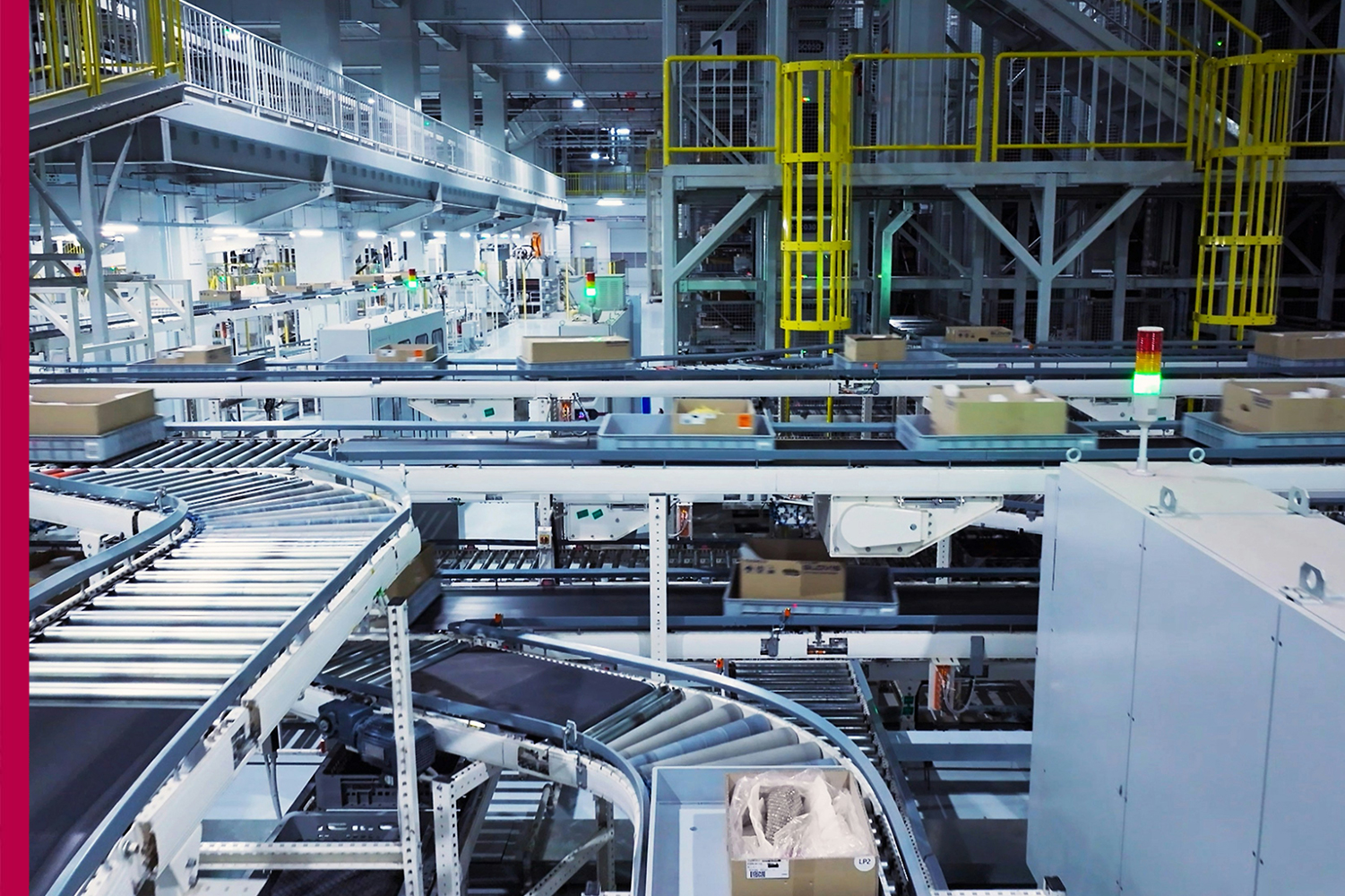


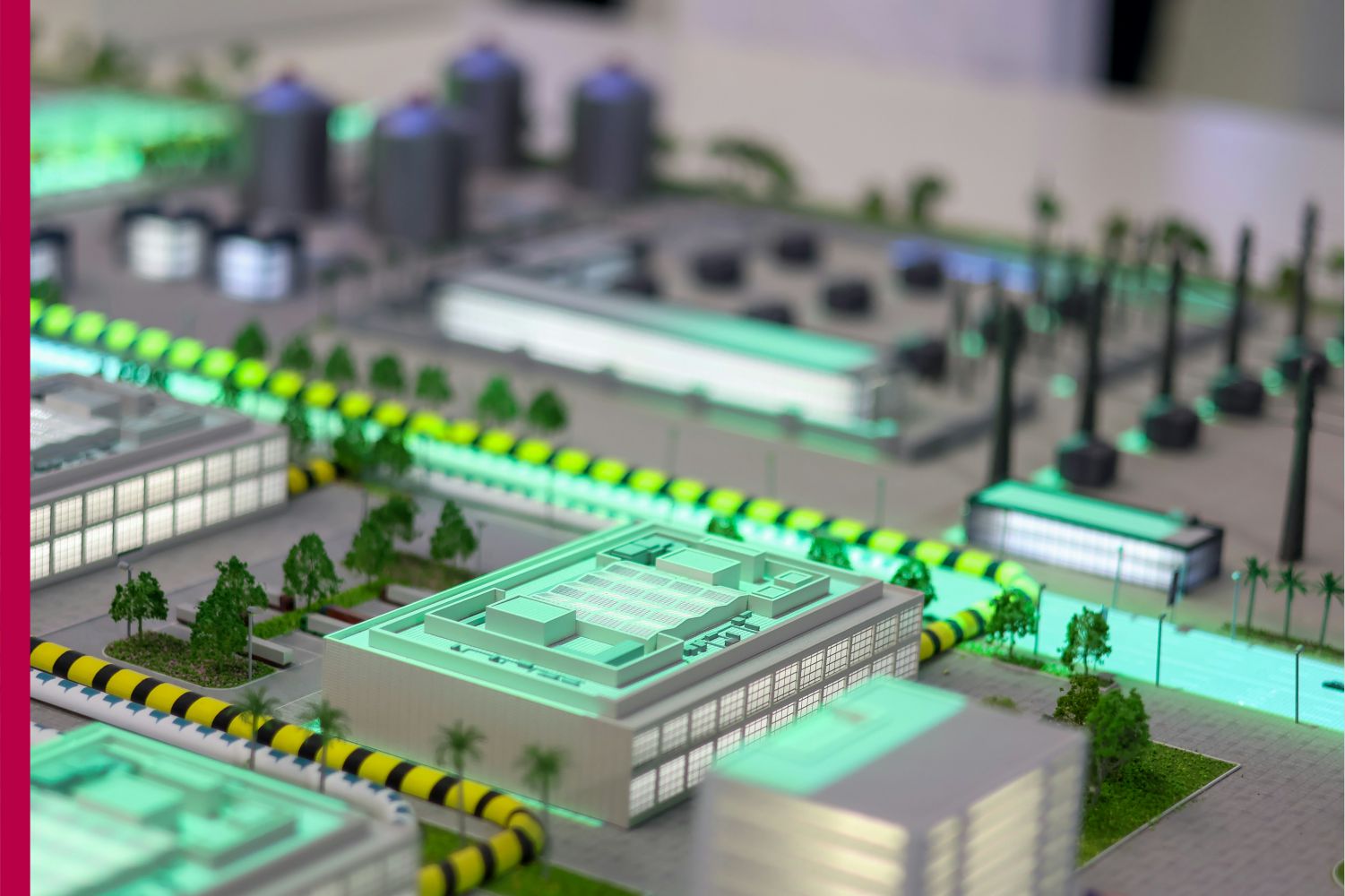
Smart infrastructure development projects are transforming how cities and communities function by integrating advanced technologies into physical infrastructure. As urban populations grow and resource demands increase, traditional infrastructure systems struggle to meet modern needs. Smart infrastructure offers innovative solutions that improve efficiency, sustainability, safety, and quality of life through the use of digital technologies and data-driven planning.
Smart infrastructure refers to the integration of technologies such as the Internet of Things, artificial intelligence, big data analytics, and cloud computing into essential systems like transportation, energy, water, and buildings. Sensors and connected devices collect real-time data, enabling authorities to monitor performance, predict issues, and optimize operations. This approach allows infrastructure to respond dynamically to changing conditions rather than relying on reactive maintenance.
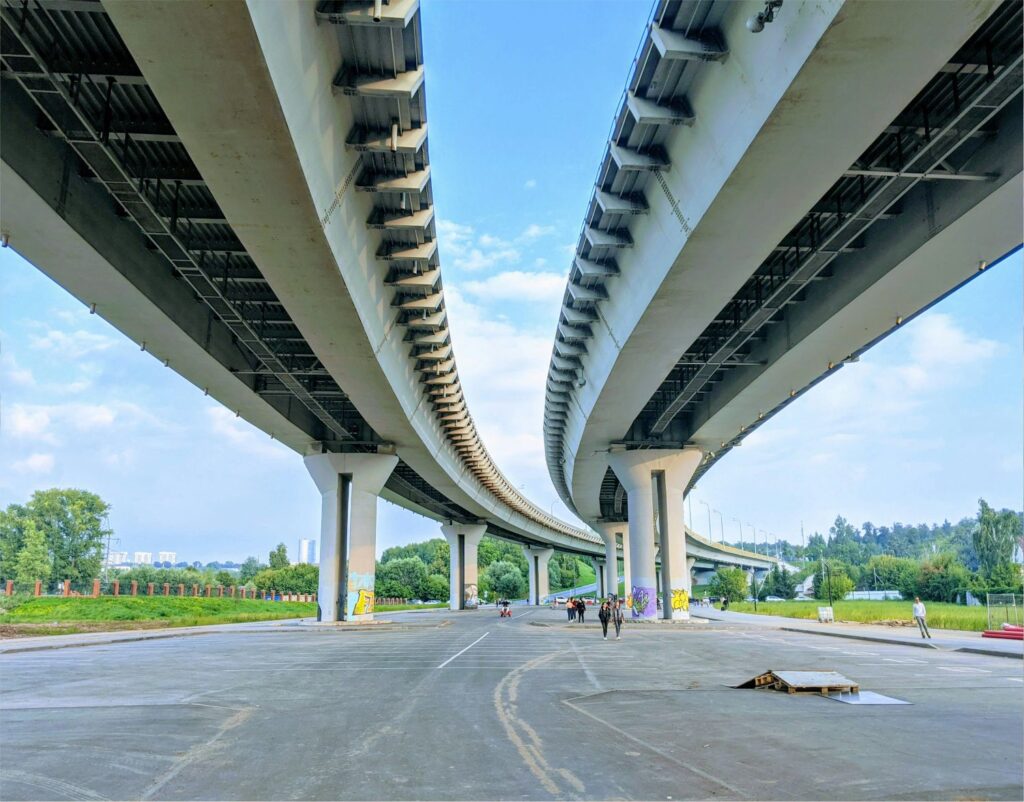
One of the most prominent areas of smart infrastructure development is smart transportation. Intelligent traffic management systems use sensors, cameras, and AI algorithms to reduce congestion, improve traffic flow, and enhance road safety. Smart public transportation systems provide real-time updates on schedules and vehicle locations, improving commuter experience and encouraging the use of public transit. Electric vehicle charging networks and smart parking solutions further support sustainable urban mobility.
Smart energy infrastructure is another critical component. Smart grids use digital communication technologies to manage electricity distribution more efficiently. These systems balance supply and demand, integrate renewable energy sources, and reduce power outages. Advanced metering infrastructure allows consumers to monitor energy usage in real time, encouraging energy conservation and lowering costs. Energy storage and microgrids also enhance resilience and reliability.
Water and waste management systems are benefiting greatly from smart infrastructure projects. Smart water networks detect leaks, monitor water quality, and optimize distribution, reducing water loss and ensuring safe supply. Intelligent waste management systems use sensors to track waste levels, optimize collection routes, and promote recycling. These solutions improve environmental sustainability and reduce operational costs for municipalities.
Smart buildings and urban planning play a vital role in infrastructure development. Buildings equipped with automation systems optimize lighting, heating, and cooling based on occupancy and environmental conditions. Smart urban planning uses data analytics to design more efficient land use, improve public services, and enhance disaster preparedness. These technologies contribute to safer, more comfortable, and environmentally friendly living spaces.
Despite the benefits, smart infrastructure development projects face challenges such as high initial investment, data security concerns, and the need for skilled workforce. Effective collaboration between governments, private sector, and technology providers is essential to overcome these barriers.
In conclusion, smart infrastructure development projects are shaping the future of urban and regional development. By leveraging technology and data, these projects improve efficiency, sustainability, and resilience of essential systems. As cities continue to evolve, smart infrastructure will be a key foundation for building smarter, more livable, and sustainable communities for future generations.