





Financial Technology, commonly known as FinTech, has rapidly transformed the traditional banking landscape. By combining finance with advanced digital technologies, FinTech innovations are reshaping how people save, borrow, invest, and make payments. Traditional banks are no longer the sole providers of financial services, as agile FinTech companies introduce faster, more customer-centric, and cost-effective solutions that meet modern consumer expectations.
One of the most visible FinTech innovations is digital and mobile banking. Mobile apps now allow users to open accounts, transfer funds, pay bills, and manage finances without visiting a physical branch. These platforms offer real-time transaction updates, user-friendly interfaces, and personalized financial insights. As a result, customers enjoy greater convenience, while banks reduce operational costs and improve service efficiency.
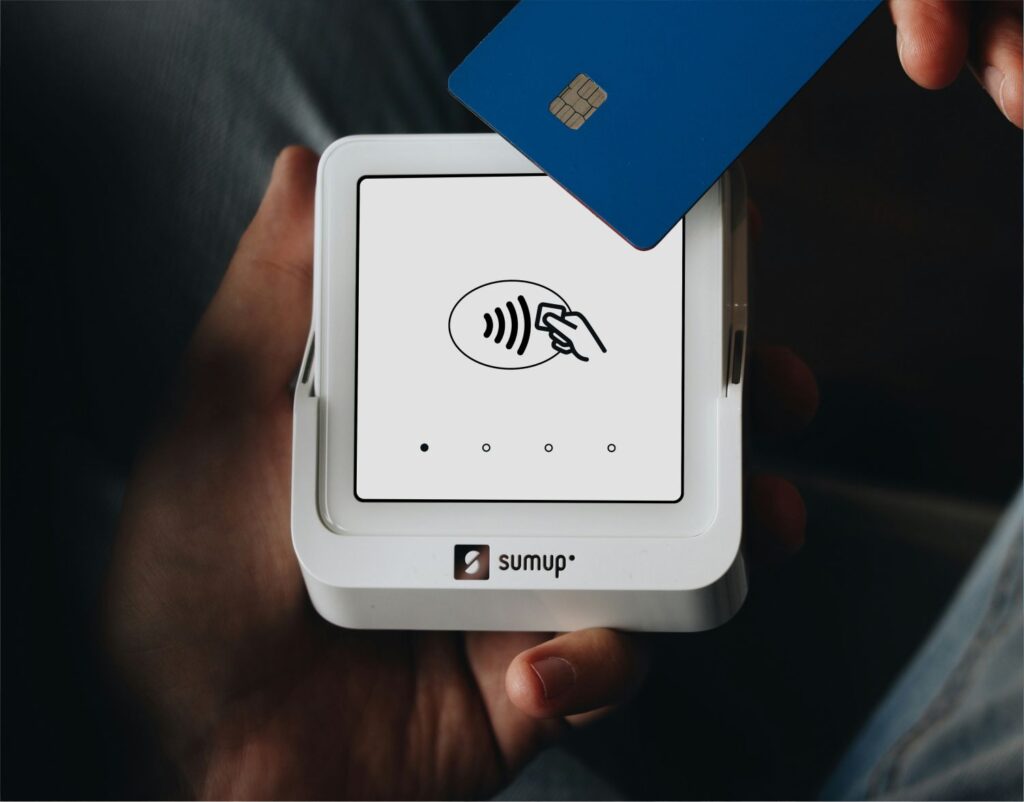
Digital payments and wallets have also played a major role in disrupting banking. Contactless payments, QR codes, and peer-to-peer transfer apps enable quick and secure transactions. These technologies have reduced dependence on cash and traditional card-based payments. For businesses, digital payment systems offer faster settlements and better transaction tracking, supporting the growth of e-commerce and digital marketplaces.
Another major innovation is the rise of blockchain and decentralized finance. Blockchain technology enables secure, transparent, and tamper-proof transactions without the need for intermediaries. In banking, blockchain improves cross-border payments by reducing processing time and costs. Decentralized finance platforms offer alternatives to traditional banking services such as lending and asset management, challenging established financial models.
Artificial intelligence and data analytics are also transforming banking operations. AI-powered chatbots provide instant customer support, while machine learning algorithms detect fraud and assess credit risk more accurately. By analyzing large volumes of data, banks and FinTech firms can offer personalized products, improve decision-making, and enhance customer experience.
FinTech has also disrupted lending through digital lending platforms. Online loan applications, automated credit assessments, and faster approvals make borrowing more accessible, especially for small businesses and individuals with limited credit history. These platforms reduce paperwork and processing delays, offering a smoother lending experience compared to traditional banks.
Cybersecurity and regulatory technology innovations support the secure growth of FinTech. Advanced security measures such as biometric authentication and encryption protect user data and transactions. Regulatory technology helps financial institutions comply with evolving regulations through automation and real-time monitoring.
In conclusion, FinTech innovations are disrupting banking by introducing speed, transparency, and customer-focused solutions. While traditional banks face challenges in adapting to this rapid change, collaboration with FinTech companies offers opportunities for growth and innovation. As technology continues to evolve, FinTech will play a central role in redefining banking and shaping the future of global finance.