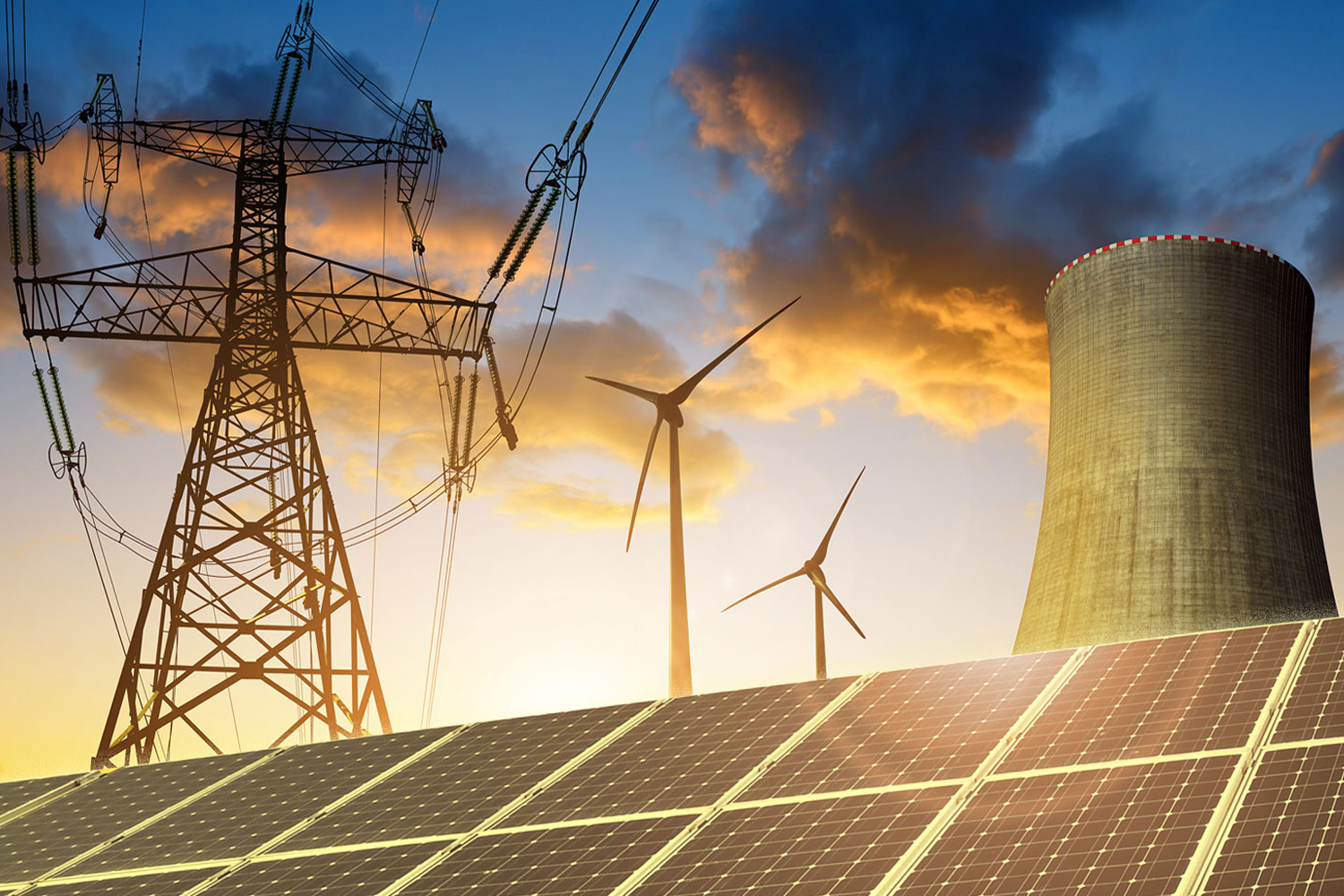









Energy storage technologies play a crucial role in modern energy systems by storing energy for use when it is needed most. As the world increasingly adopts renewable energy sources such as solar and wind, effective energy storage becomes essential to manage supply fluctuations and ensure a stable power supply. From small household systems to large-scale industrial solutions, energy storage technologies support energy efficiency, reliability, and sustainability.
One of the most widely used energy storage technologies is battery storage. Batteries store electrical energy in chemical form and release it when required. Lithium-ion batteries are the most common type, known for their high energy density, long lifespan, and fast charging capabilities. They are widely used in electric vehicles, smartphones, and grid-scale storage systems. Other battery types, such as lead-acid, sodium-ion, and solid-state batteries, are also used for specific applications depending on cost, performance, and safety requirements.
Pumped hydroelectric storage is another important energy storage method, especially for large-scale power systems. This technology stores energy by pumping water from a lower reservoir to a higher one during periods of excess electricity generation. When demand increases, the stored water is released to generate electricity through turbines. Pumped hydro storage is highly efficient, has a long lifespan, and provides reliable energy storage for grid balancing.
Thermal energy storage involves storing energy in the form of heat or cold for later use. This technology is commonly used in industrial processes, district heating systems, and solar power plants. Materials such as molten salts, water, or phase-change materials are used to store thermal energy. Thermal storage helps improve energy efficiency by allowing excess heat to be reused, reducing fuel consumption and emissions.
Compressed air energy storage is another innovative technology. In this method, excess electricity is used to compress air and store it in underground caverns or tanks. When energy is needed, the compressed air is released to drive turbines and generate electricity. Compressed air energy storage systems are suitable for large-scale applications and help balance supply and demand on the power grid.
Flywheel energy storage systems store energy in the form of kinetic energy by spinning a rotor at high speed. These systems are known for their rapid response time, high power output, and long cycle life. Flywheels are commonly used for short-term energy storage, grid stabilization, and backup power in critical applications.
In conclusion, energy storage technologies are essential for supporting the transition to a cleaner and more resilient energy system. By storing energy efficiently and releasing it when needed, these technologies enhance grid stability, improve renewable energy integration, and reduce reliance on fossil fuels. As innovation continues, energy storage solutions will become more advanced, affordable, and widely adopted, playing a key role in shaping the future of global energy.