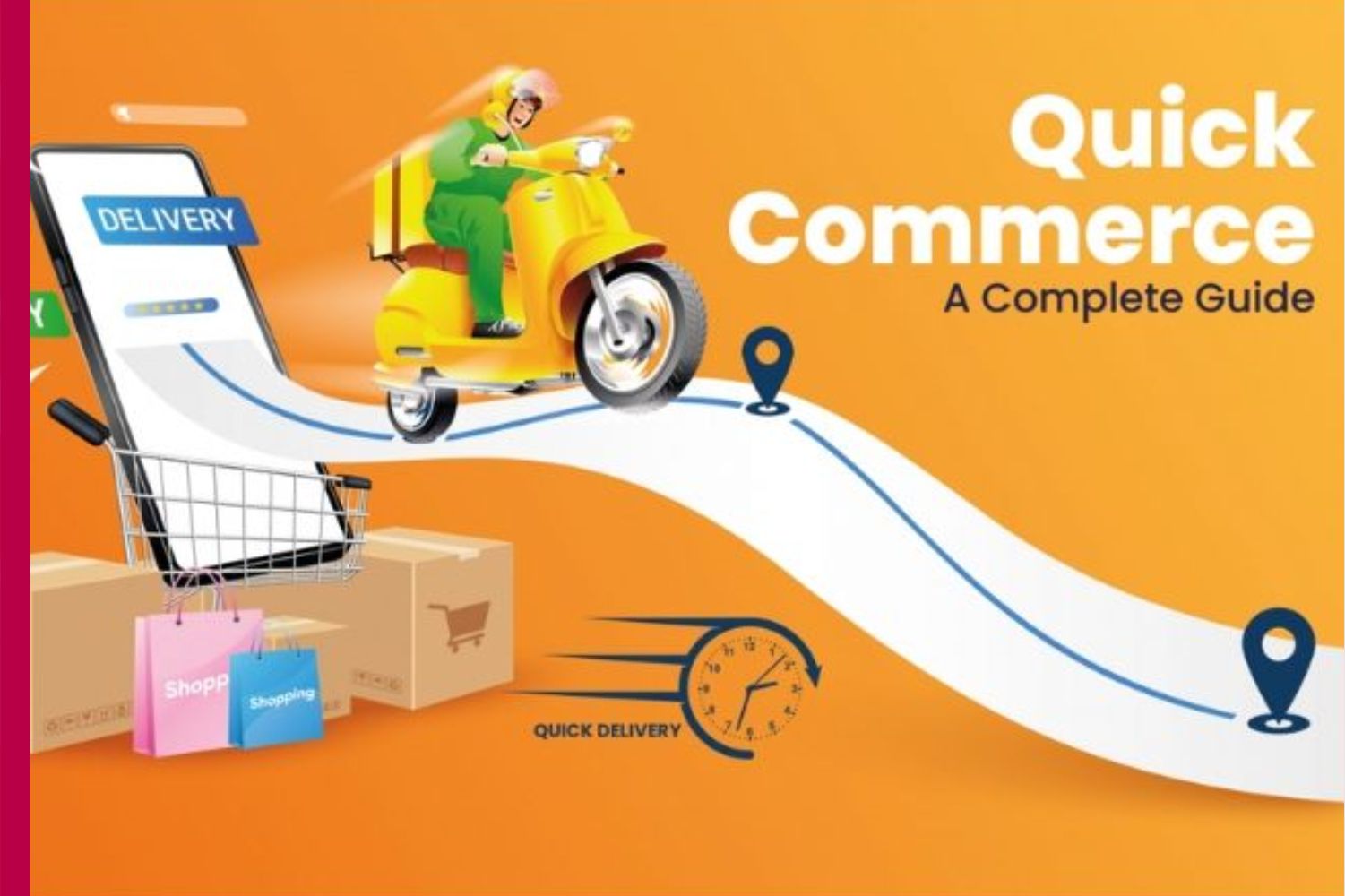





The rapid expansion of the digital economy has made e-commerce one of the most competitive and opportunity-rich business sectors today. With increasing internet penetration, mobile usage, and consumer preference for online shopping, e-commerce businesses must adopt smart growth strategies to stand out and scale sustainably. Successful growth in e-commerce depends on understanding customers, leveraging technology, and continuously optimizing operations.
One of the most important growth strategies is building a strong customer experience. A user-friendly website or app with fast loading speed, easy navigation, and secure payment options encourages visitors to complete purchases. Clear product descriptions, high-quality images, and transparent pricing help build trust. A smooth checkout process and reliable delivery services significantly reduce cart abandonment and improve customer satisfaction.
Digital marketing plays a crucial role in driving traffic and increasing sales. Search engine optimization helps e-commerce websites rank higher in search results, attracting organic traffic. Paid advertising through search engines and social media platforms allows businesses to target specific customer segments. Content marketing, including blogs, videos, and product guides, educates customers and strengthens brand credibility. Email marketing remains an effective tool for nurturing leads, promoting offers, and retaining customers.
Personalization is another powerful strategy for e-commerce growth. Using customer data and analytics, businesses can offer personalized product recommendations, tailored promotions, and customized communication. Personalized experiences make customers feel valued and increase the likelihood of repeat purchases. Loyalty programs, discounts for returning customers, and personalized offers further strengthen long-term relationships.

Expanding product range and exploring new markets also contribute to growth. Introducing complementary products or private labels can increase average order value. Cross-selling and upselling techniques encourage customers to purchase additional items. Selling through multiple channels, such as online marketplaces and social commerce platforms, helps businesses reach wider audiences and diversify revenue streams.
Efficient supply chain and inventory management are essential for scaling an e-commerce business. Real-time inventory tracking prevents stock shortages and overstocking. Automation in order processing, packaging, and shipping improves accuracy and reduces operational costs. Partnering with reliable logistics providers ensures timely deliveries and enhances customer trust.
Customer feedback and data analytics provide valuable insights for continuous improvement. Monitoring customer behavior, reviews, and purchase patterns helps businesses identify strengths and areas for improvement. Data-driven decisions enable better pricing strategies, product selection, and marketing campaigns.
In conclusion, e-commerce business growth requires a balanced approach that combines customer-centric strategies, digital marketing, personalization, operational efficiency, and data analysis. By focusing on these key areas, e-commerce businesses can build a strong brand, attract loyal customers, and achieve sustainable growth in the ever-evolving digital marketplace.