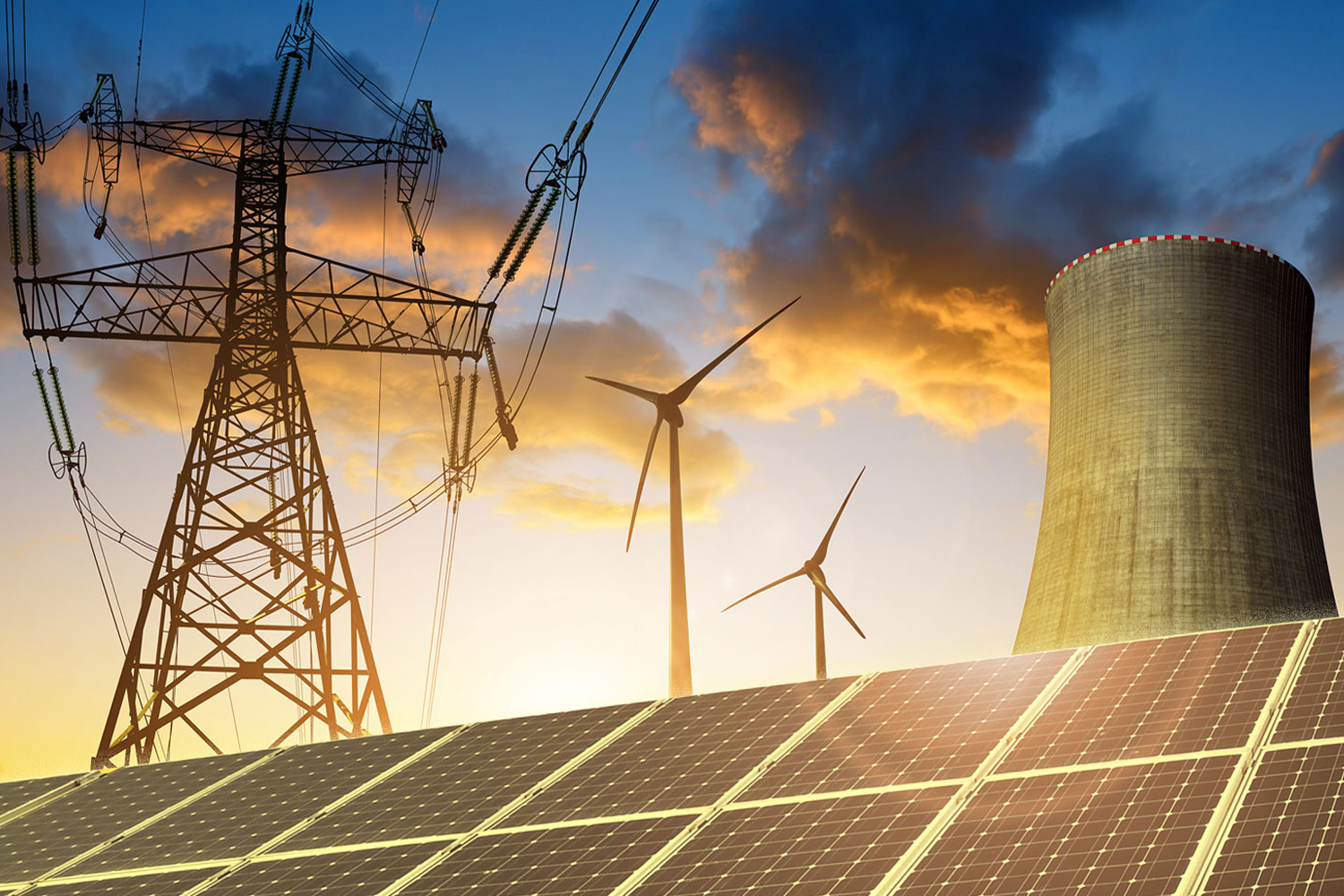





As the world faces growing challenges like climate change, rising energy demands, and depleting fossil fuels, renewable energy has emerged as a powerful and practical solution. Renewable energy sources are derived from natural processes that are continuously replenished, such as sunlight, wind, water, and biomass. Unlike conventional energy sources, they offer cleaner, safer, and more sustainable ways to generate power while supporting long-term economic and environmental stability.
Renewable energy sources include solar, wind, hydroelectric, geothermal, and biomass energy. Solar energy harnesses sunlight through photovoltaic panels to produce electricity and heat. Wind energy uses turbines driven by wind currents to generate power. Hydroelectric energy relies on flowing or stored water to turn turbines, making it one of the oldest and most widely used renewable sources. Geothermal energy taps into heat stored beneath the Earth’s surface, while biomass energy converts organic materials like agricultural waste and plant matter into usable energy.
One of the most significant benefits of renewable energy is its positive impact on the environment. These energy sources produce little to no greenhouse gas emissions, helping to reduce air pollution and slow global warming. Unlike coal or oil, renewable energy does not release harmful toxins into the atmosphere, leading to improved air quality and better public health. This makes renewable energy a key contributor to achieving global climate goals and protecting ecosystems.
Another major advantage is sustainability. Fossil fuels are finite resources that will eventually run out, whereas renewable energy sources are naturally replenished. The sun will continue to shine, the wind will keep blowing, and water cycles will persist. By investing in renewable energy, countries can secure long-term energy availability and reduce dependence on imported fuels, enhancing energy security.

Renewable energy also offers strong economic benefits. The renewable energy sector has become a major source of job creation worldwide, providing employment in manufacturing, installation, maintenance, and research. As technology advances, the cost of renewable energy systems has dropped significantly, making them more affordable for households, businesses, and governments. In many regions, solar and wind energy are now among the cheapest sources of electricity.
In addition, renewable energy promotes energy independence and decentralization. Small-scale systems like rooftop solar panels allow individuals and communities to generate their own power, reducing reliance on centralized grids. This is especially beneficial for rural and remote areas where access to conventional electricity may be limited.
Finally, renewable energy supports innovation and technological progress. Continuous research and development are improving efficiency, storage solutions, and grid integration, making renewable energy more reliable and accessible than ever before.
In conclusion, renewable energy sources play a crucial role in building a cleaner, healthier, and more sustainable future. Their environmental, economic, and social benefits make them an essential part of modern energy strategies. By embracing renewable energy, societies can meet present needs while safeguarding the planet for future generations.