



Metal prices play a crucial role in the global economy, influencing industries such as construction, manufacturing, automotive, energy, and infrastructure. From steel and aluminum to copper, zinc, and precious metals, price movements are closely linked to global demand patterns and economic conditions. Understanding the relationship between metal prices and global demand helps businesses, investors, and policymakers make informed decisions in an increasingly interconnected market.
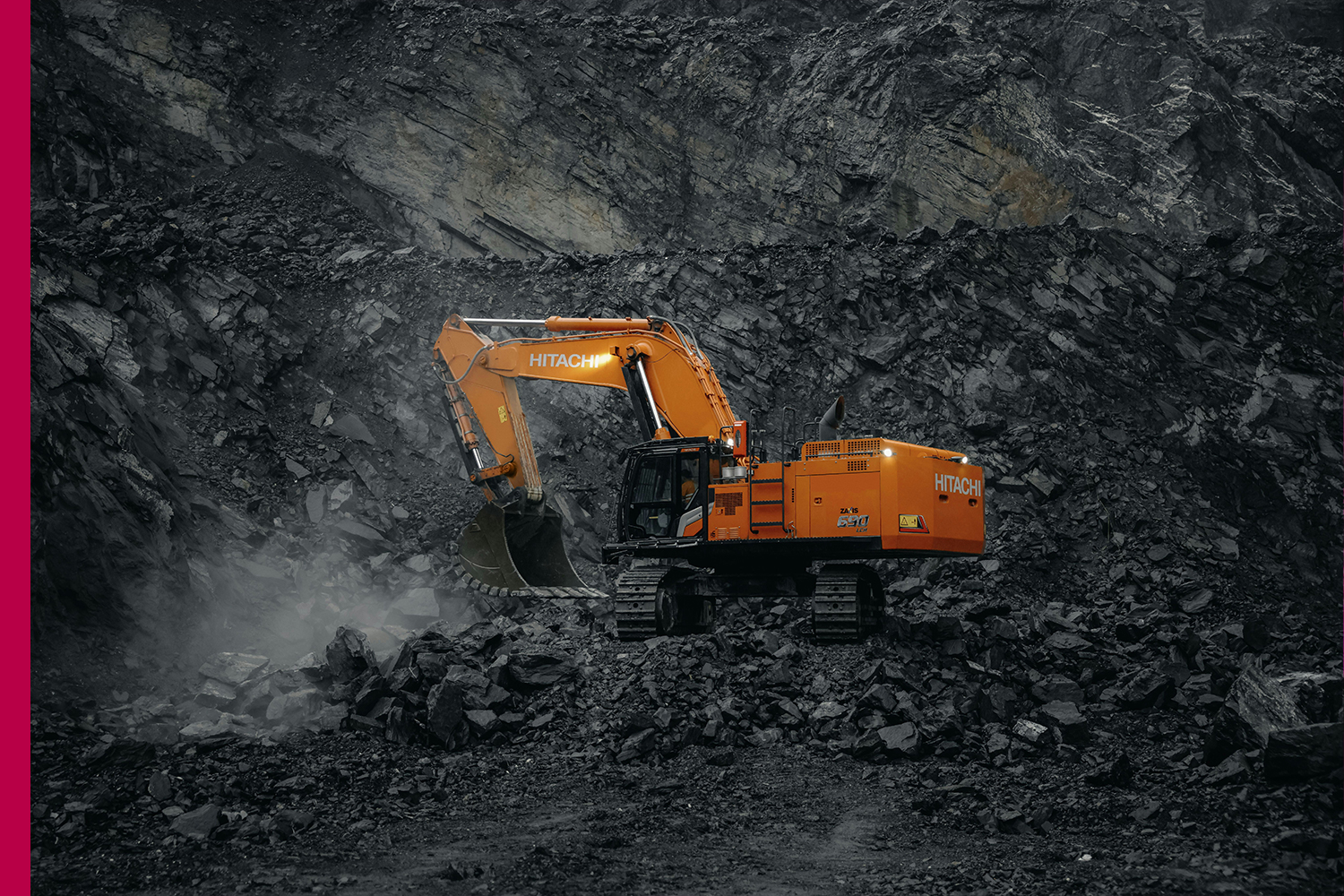
Global demand is one of the most significant drivers of metal prices. Rapid industrialization, urbanization, and infrastructure development in emerging economies increase the need for base metals like steel, copper, and aluminum. These metals are essential for building roads, bridges, power grids, housing, and transportation systems. When large economies expand or launch major infrastructure projects, demand rises, often pushing metal prices upward.
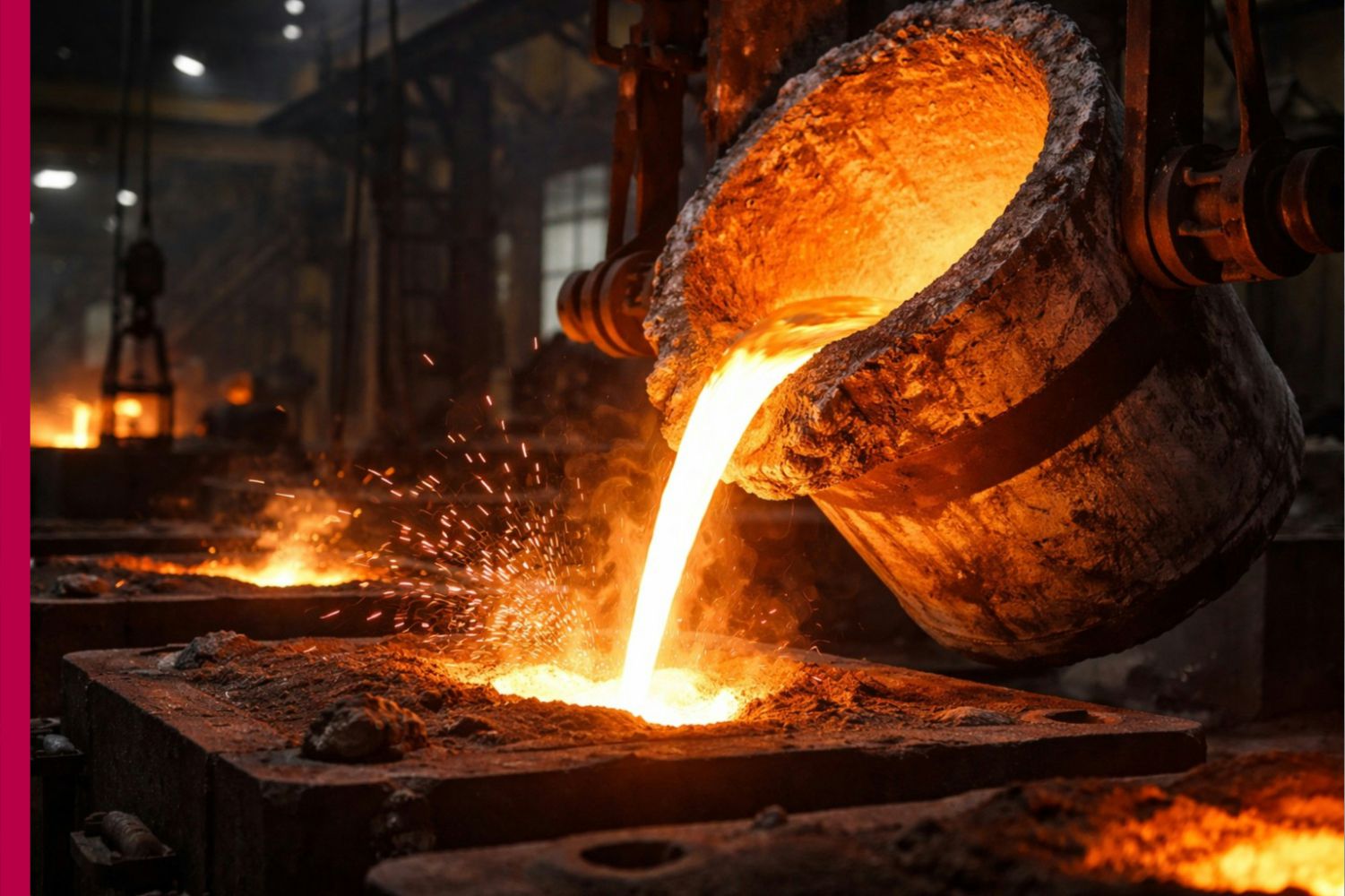
The manufacturing and automotive sectors also have a strong influence on metal demand. Automobiles, machinery, electronics, and appliances rely heavily on metals for production. Growth in electric vehicles and renewable energy technologies has further intensified demand for specific metals such as copper, lithium, nickel, and aluminum. These materials are critical for batteries, electric motors, and energy storage systems, creating new demand dynamics that affect global pricing trends.
Supply-side factors interact closely with demand to shape metal prices. Mining output, production costs, labor availability, and geopolitical conditions can all impact supply levels. Disruptions such as strikes, natural disasters, trade restrictions, or geopolitical tensions can reduce supply and lead to price volatility. When supply fails to keep pace with rising demand, metal prices tend to increase, sometimes sharply.
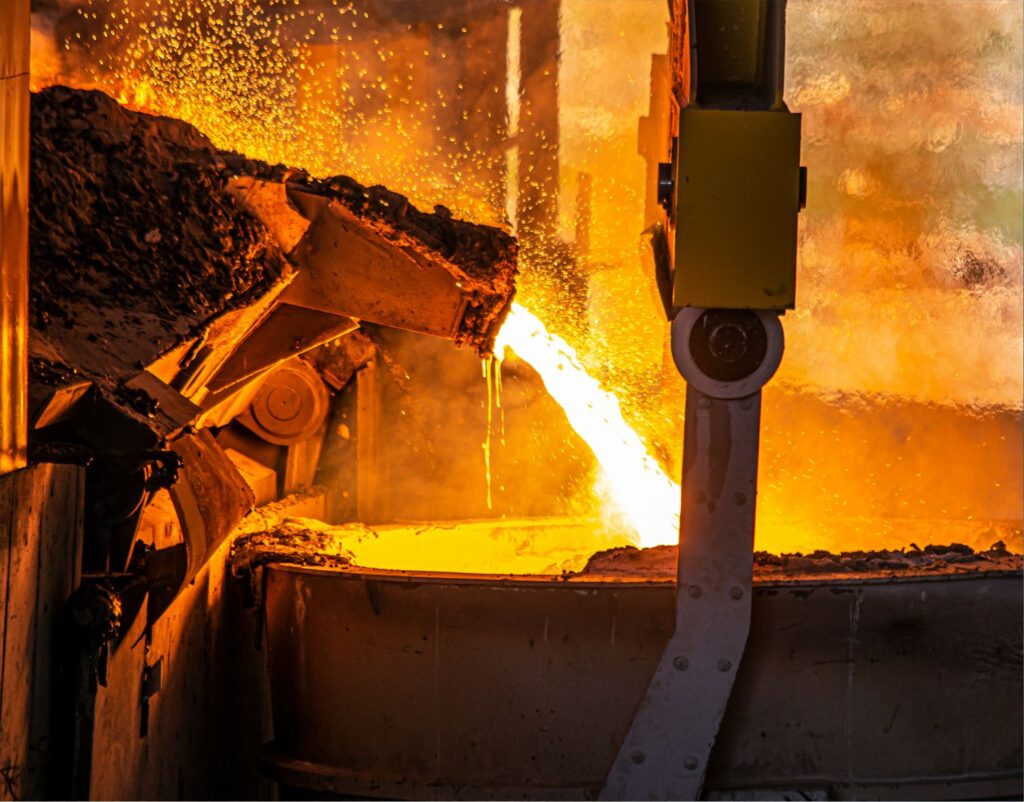
Global trade policies and currency movements also affect metal prices. Many metals are traded internationally and priced in major currencies, particularly the US dollar. Fluctuations in exchange rates can influence purchasing power and demand across regions. Tariffs, export restrictions, and trade agreements can further alter supply chains and pricing structures, creating uncertainty in global metal markets.
Economic cycles play a key role in shaping metal demand and prices. During periods of economic growth, construction activity, industrial output, and consumer spending typically rise, driving higher demand for metals. Conversely, during economic slowdowns or recessions, demand weakens, leading to lower prices. As a result, metal markets are often seen as indicators of broader economic health.
Sustainability and environmental regulations are increasingly influencing metal markets. Stricter environmental standards can raise production costs, affecting supply and prices. At the same time, the transition to a low-carbon economy is boosting demand for metals used in clean energy technologies. Recycling and circular economy initiatives are also gaining importance, helping stabilize supply and reduce reliance on primary mining.
In conclusion, metal prices are shaped by a complex interplay of global demand, supply conditions, economic growth, trade policies, and technological trends. As infrastructure development, industrial expansion, and energy transitions continue worldwide, global demand for metals will remain strong. Staying informed about these factors is essential for navigating the evolving metal market and understanding future price movements.