




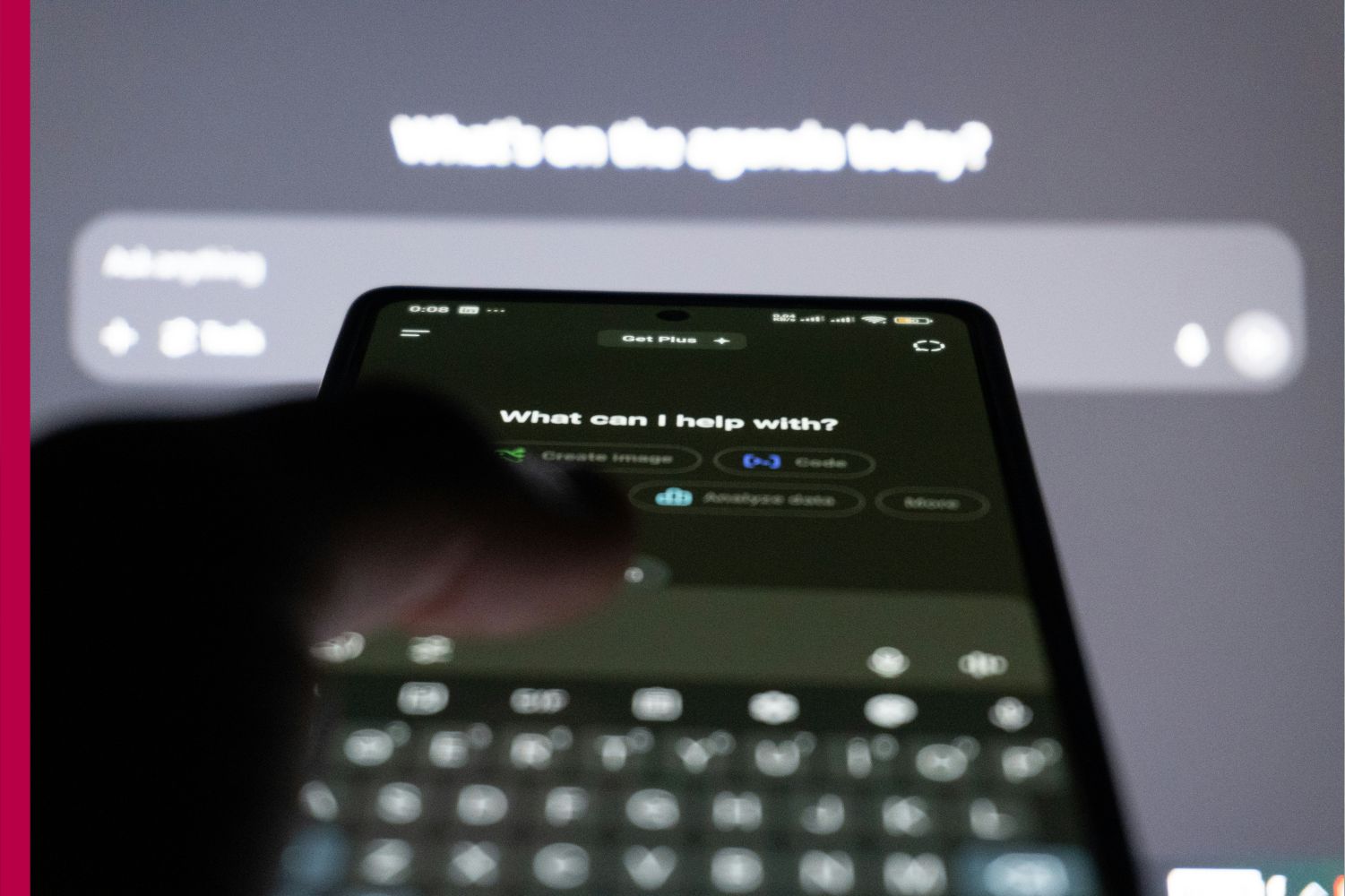
Artificial Intelligence, commonly known as AI, has rapidly moved from science fiction into everyday reality. Today, AI applications are deeply embedded in daily life, often working behind the scenes to make tasks easier, faster, and more personalized. From smartphones and homes to healthcare and transportation, AI is transforming how people live, work, and interact with technology.
One of the most common applications of AI in daily life is in smartphones and digital assistants. Voice assistants such as virtual helpers use AI to understand speech, answer questions, set reminders, and control smart devices. AI-powered keyboards predict words, correct grammar, and suggest responses, improving communication efficiency. Facial recognition and fingerprint authentication enhance device security while providing seamless access.
AI plays a major role in online services and digital entertainment. Streaming platforms use AI algorithms to analyze viewing and listening habits, offering personalized recommendations for movies, music, and shows. Social media platforms rely on AI to curate news feeds, suggest connections, and filter harmful content. E-commerce websites use AI to recommend products, optimize pricing, and enhance customer support through chatbots.
Smart homes are another area where AI is becoming increasingly common. AI-enabled devices manage lighting, temperature, security, and energy usage based on user behavior and preferences. Smart thermostats learn daily routines to optimize energy consumption, while intelligent security systems detect unusual activity and send real-time alerts. These applications improve comfort, safety, and efficiency within homes.
In healthcare, AI applications are improving diagnosis, treatment, and patient care. AI-powered systems analyze medical images, patient records, and health data to assist doctors in detecting diseases early and recommending treatment options. Wearable devices use AI to monitor heart rate, sleep patterns, and physical activity, helping individuals track their health and adopt healthier lifestyles.

Transportation and navigation have also been transformed by AI. Navigation apps use AI to analyze traffic patterns and provide real-time route suggestions, reducing travel time and congestion. Ride-sharing platforms use AI for pricing, driver matching, and route optimization. Advanced driver assistance systems in vehicles, such as lane detection and automatic braking, enhance road safety and pave the way for autonomous driving.
AI is also present in financial services and daily transactions. Banking apps use AI for fraud detection, credit assessment, and personalized financial advice. Digital payment systems rely on AI to ensure secure and efficient transactions. These applications provide convenience while protecting users from financial risks.
Despite its benefits, the widespread use of AI raises concerns related to data privacy, security, and ethical use. Responsible development, transparency, and user awareness are essential to ensure that AI enhances daily life without compromising trust.
In conclusion, artificial intelligence applications in daily life are reshaping everyday experiences in subtle yet powerful ways. By automating tasks, personalizing services, and improving decision-making, AI continues to make life more convenient and efficient. As technology evolves, AI will play an even greater role in supporting smarter, safer, and more connected living.