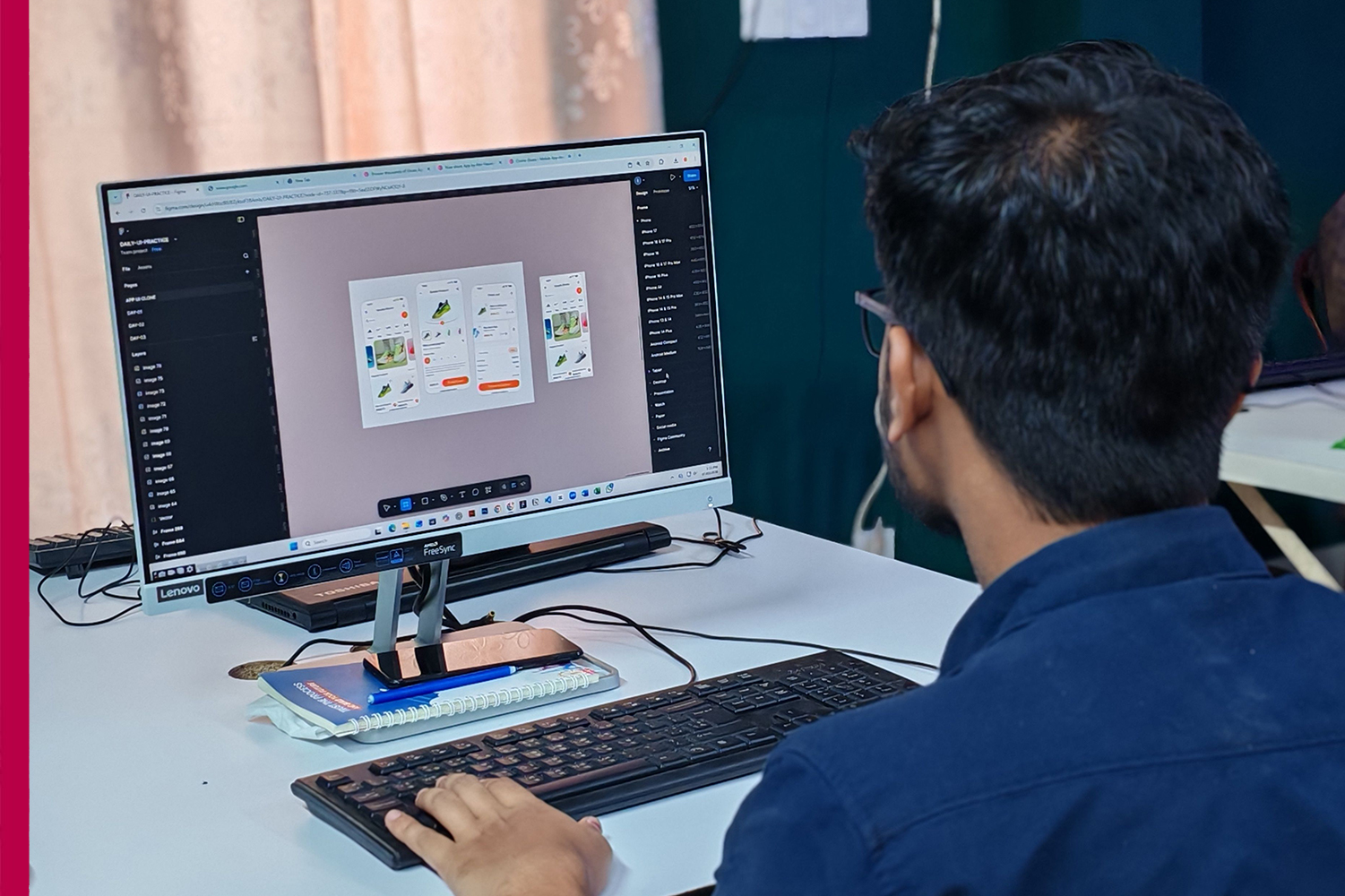





In a rapidly evolving global economy, traditional education systems focused solely on theoretical knowledge are no longer sufficient. The importance of skill-based education has grown significantly as industries demand job-ready professionals who can apply knowledge in practical situations. Skill-based education emphasizes hands-on learning, critical thinking, problem-solving, and real-world application, making learners better prepared for modern career challenges.
Skill-based education bridges the gap between academics and industry requirements. Many graduates struggle to secure employment because they lack practical skills relevant to their field. By integrating technical, digital, and soft skills into the curriculum, skill-based education ensures that learners are equipped with competencies that employers actively seek. This alignment reduces the skills mismatch and improves employability across sectors.
One of the key benefits of skill-based education is its focus on experiential learning. Students engage in projects, internships, simulations, workshops, and case studies that mirror real workplace scenarios. This approach enhances understanding, builds confidence, and encourages independent thinking. Learners not only know what to do but also understand how and why tasks are performed, which is essential for long-term career success.
Skill-based education also promotes adaptability in a fast-changing world. With rapid advancements in technology and automation, job roles are constantly evolving. Skills such as digital literacy, data analysis, communication, creativity, and collaboration help individuals adapt to new tools and work environments. Rather than relying on static knowledge, learners develop a mindset of continuous learning and innovation.
Another important aspect of skill-based education is its contribution to entrepreneurship and self-employment. Practical skills in areas such as business management, financial planning, marketing, and technical trades empower individuals to start their own ventures. This not only creates employment opportunities but also supports economic growth and innovation at the grassroots level.

Skill-based education plays a vital role in social and economic inclusion. By offering vocational training, technical education, and short-term certification programs, it provides opportunities for learners from diverse backgrounds to gain meaningful employment. These programs are often more accessible and affordable, enabling individuals to upskill or reskill and improve their quality of life.
Educators and institutions also benefit from adopting skill-based education models. Industry partnerships, updated curricula, and technology-driven teaching methods enhance the relevance and effectiveness of education systems. Assessments based on practical performance rather than rote memorization offer a more accurate measure of a learner’s abilities and readiness for the workplace.
Despite its advantages, implementing skill-based education requires investment in infrastructure, trained instructors, and industry collaboration. However, the long-term benefits far outweigh the challenges. Governments, educational institutions, and businesses must work together to create robust skill development ecosystems that support lifelong learning.
In conclusion, the importance of skill-based education lies in its ability to prepare learners for real-world demands. By focusing on practical skills, adaptability, and continuous learning, it empowers individuals to build successful careers and contribute meaningfully to society. As the future of work continues to evolve, skill-based education will remain a cornerstone of sustainable personal and economic development.