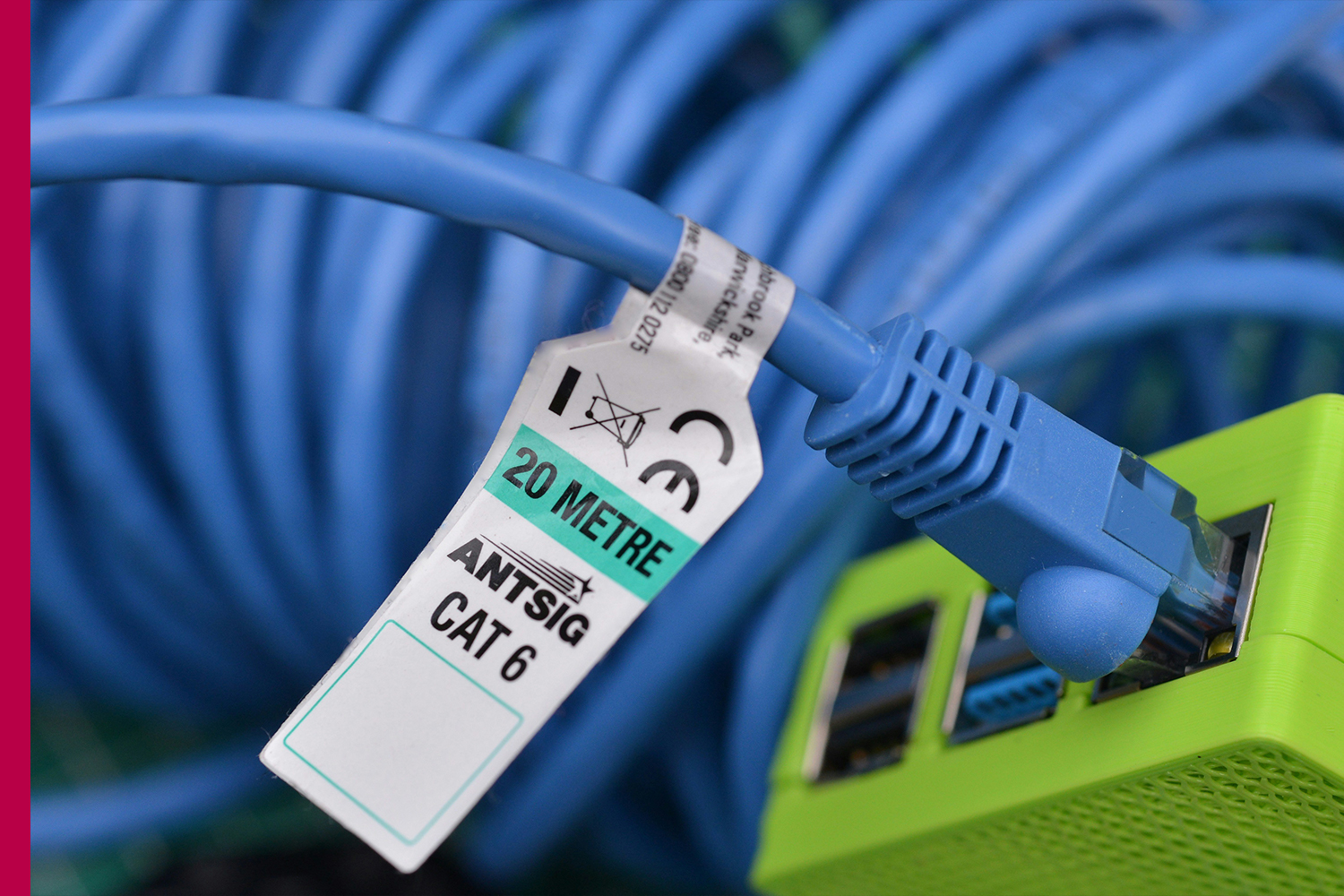
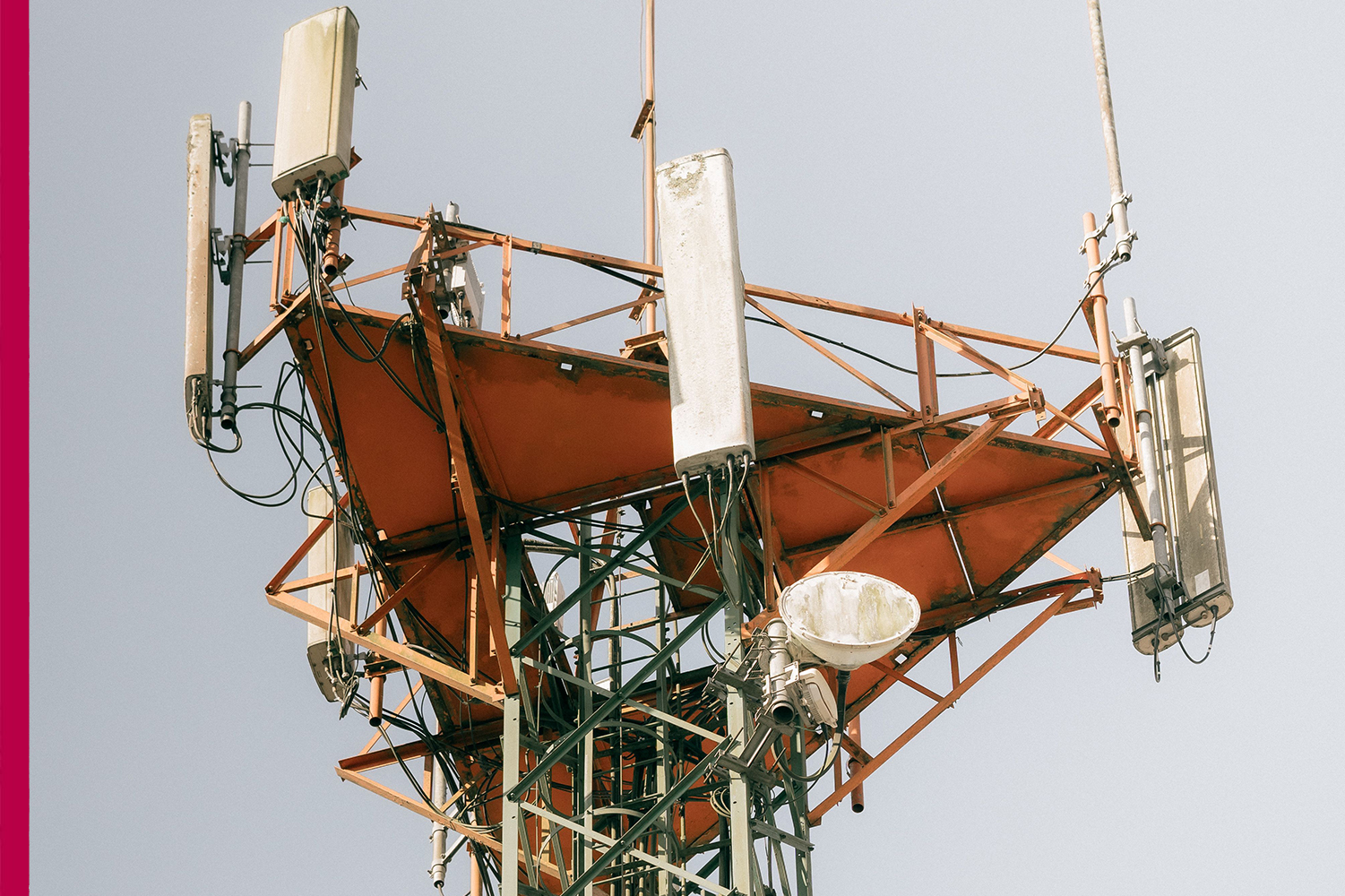




Digital connectivity has become the backbone of modern urban development, giving rise to the concept of smart cities. As the world becomes increasingly urbanized, cities face growing challenges related to population density, resource management, transportation, energy consumption, and public safety. Smart cities leverage digital technologies and robust connectivity to address these challenges, creating urban environments that are more efficient, sustainable, and citizen-centric.
At the heart of a smart city lies strong digital connectivity. High-speed internet, 5G networks, cloud computing, and the Internet of Things (IoT) enable seamless communication between devices, systems, and people. Sensors embedded across city infrastructure collect real-time data on traffic flow, air quality, energy usage, water supply, and waste management. This data is transmitted through connected networks and analyzed to support informed decision-making by city authorities and service providers.
One of the most visible impacts of digital connectivity in smart cities is in transportation. Intelligent traffic management systems use connected cameras, sensors, and GPS data to monitor congestion and optimize traffic signals. Public transportation becomes more reliable through real-time tracking apps that inform commuters about arrival times and delays. Ride-sharing, electric vehicles, and smart parking systems further reduce congestion and emissions, improving overall mobility and urban livability.
Energy and utilities also benefit significantly from digital connectivity. Smart grids use connected meters and sensors to balance electricity demand and supply, integrate renewable energy sources, and reduce power outages. Smart water management systems detect leaks, monitor consumption, and ensure efficient distribution. These technologies not only conserve resources but also lower operational costs and environmental impact.
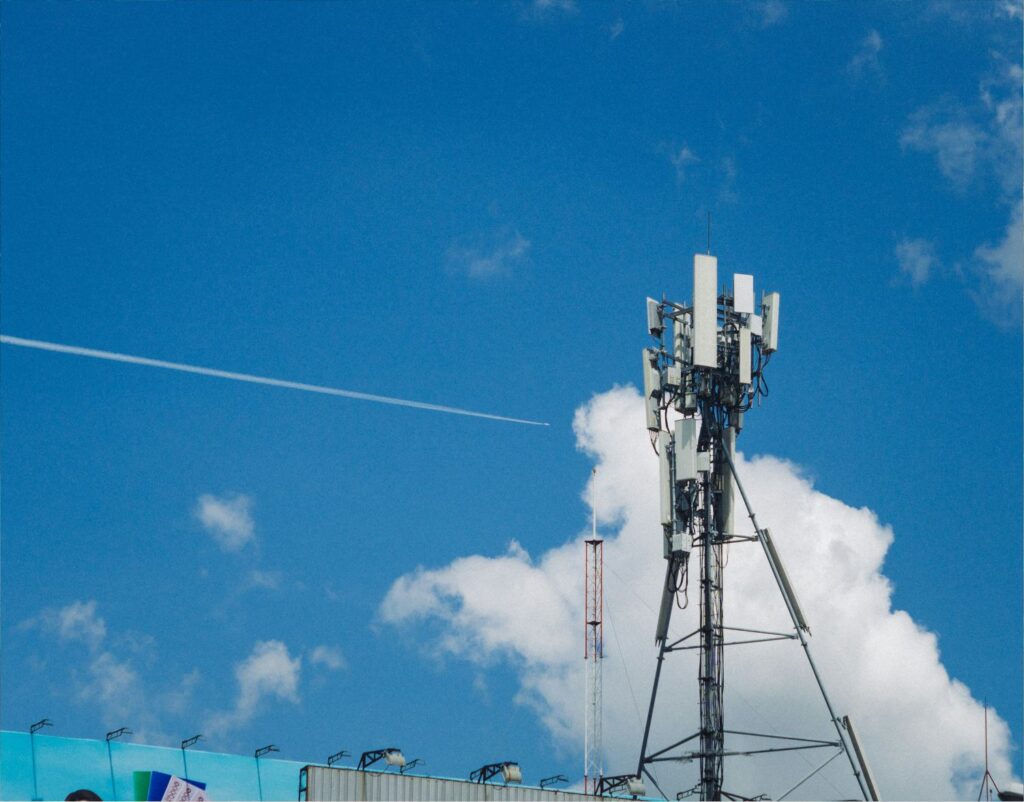
Digital connectivity plays a crucial role in enhancing public services and quality of life. Smart healthcare systems enable telemedicine, remote patient monitoring, and faster emergency response through connected devices and data sharing. In education, connected classrooms and digital learning platforms expand access to knowledge and skills. Smart governance platforms allow citizens to interact with local authorities through mobile apps, report issues, pay bills, and access services transparently and efficiently.
Safety and security are also strengthened in smart cities through connected surveillance systems, emergency response networks, and predictive analytics. Real-time data helps authorities respond quickly to accidents, natural disasters, or security threats, while data-driven insights support proactive planning and risk reduction.
Despite its many benefits, building digitally connected smart cities comes with challenges. Data privacy, cybersecurity, digital inclusion, and infrastructure costs must be carefully managed. Ensuring that all citizens, including marginalized communities, have access to digital services is essential for equitable urban development. Strong policies, public-private partnerships, and citizen engagement are key to overcoming these challenges.
In conclusion, digital connectivity is the foundation upon which smart cities are built. By integrating advanced communication networks and data-driven technologies into urban systems, cities can become more efficient, resilient, and responsive to the needs of their residents. As technology continues to evolve, digitally connected smart cities will play a vital role in shaping a sustainable and intelligent future for urban living.