



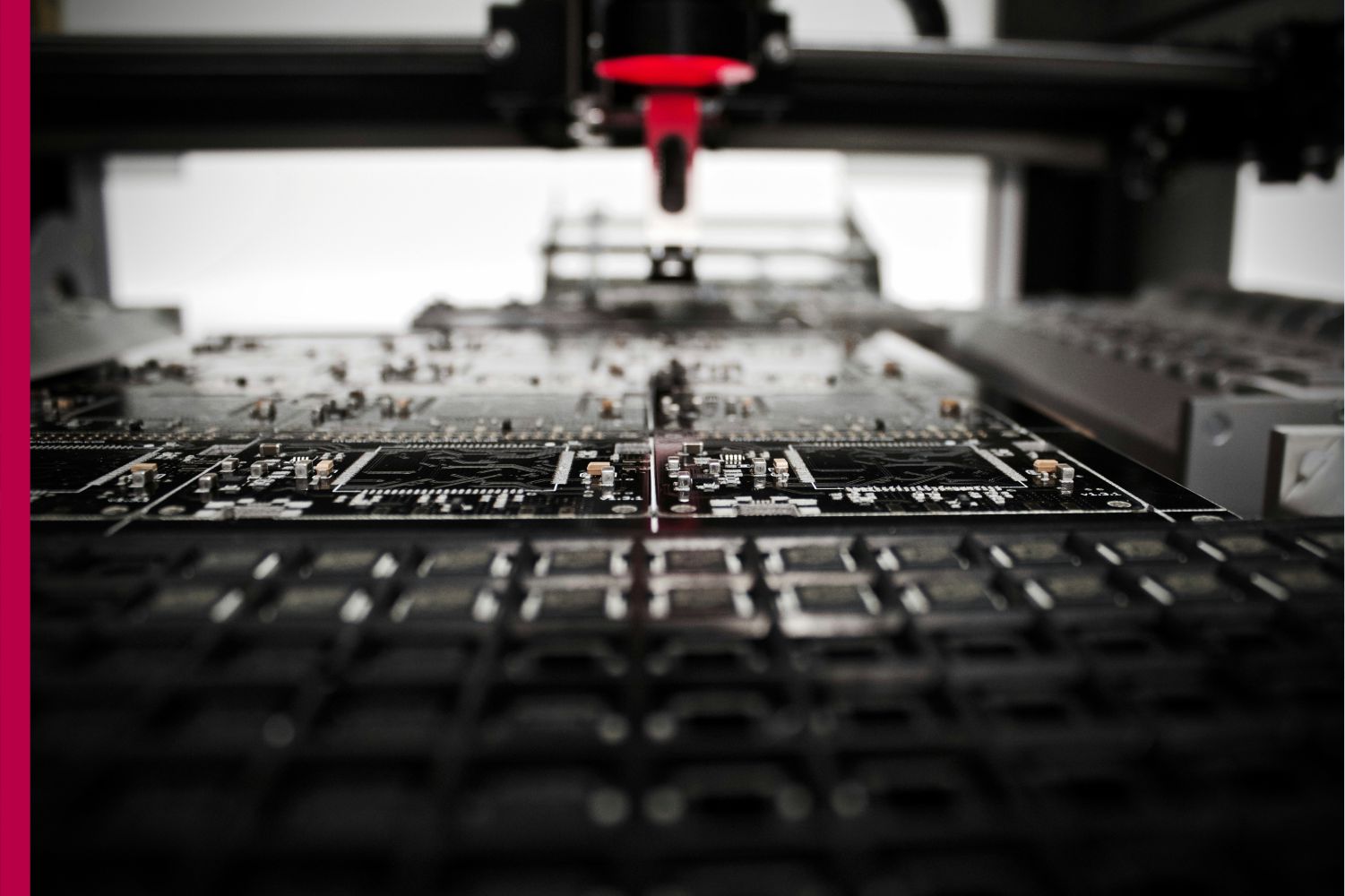
Industrial automation has become a cornerstone of modern manufacturing, transforming traditional production methods into highly efficient, technology-driven systems. By integrating advanced machinery, robotics, software, and control systems, manufacturers can streamline operations, enhance productivity, and remain competitive in a rapidly evolving global market. The benefits of industrial automation extend beyond simple mechanization, offering long-term value across quality, cost, safety, and scalability.
One of the most significant advantages of industrial automation is increased productivity. Automated systems operate continuously with minimal downtime, unlike manual labor that is limited by fatigue and working hours. Machines can perform repetitive tasks with consistent speed and precision, allowing manufacturers to produce higher volumes in shorter timeframes. This improved efficiency enables companies to meet growing demand while maintaining reliable production schedules.
Quality improvement is another major benefit of automation in manufacturing. Automated processes follow predefined parameters with high accuracy, reducing human error and ensuring consistent product standards. Sensors, machine vision systems, and real-time monitoring tools help detect defects early in the production cycle, minimizing waste and rework. As a result, manufacturers can deliver higher-quality products that meet strict industry and customer requirements.
Cost reduction is a long-term advantage that makes industrial automation a strategic investment. While the initial setup costs can be significant, automated systems reduce operational expenses over time. Labor costs decrease, material waste is minimized, and energy usage becomes more efficient through optimized processes. Predictive maintenance systems also help avoid costly breakdowns by identifying potential issues before equipment failure occurs, further lowering maintenance expenses.
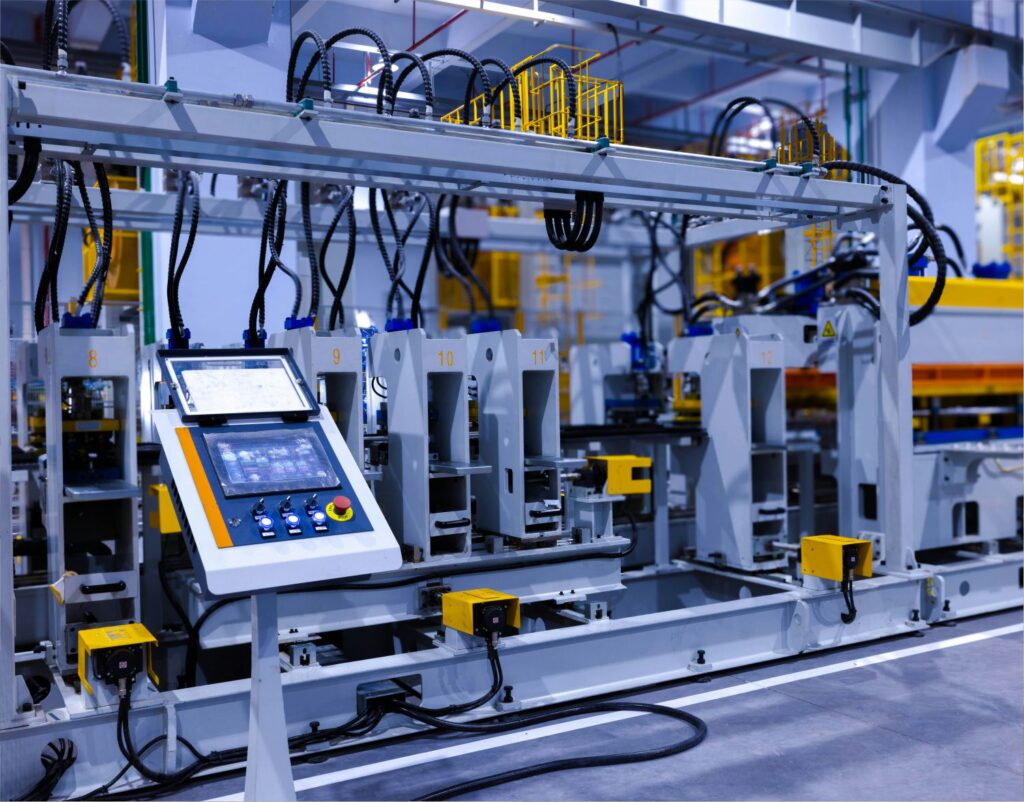
Automation significantly enhances workplace safety by reducing human involvement in hazardous tasks. Dangerous operations such as heavy lifting, exposure to extreme temperatures, or handling toxic materials can be assigned to machines and robots. This not only lowers the risk of workplace injuries but also creates a safer and more comfortable environment for employees. Workers can then focus on supervisory, technical, and analytical roles that add greater value to the organization.
Flexibility and scalability are additional benefits that modern industrial automation offers. Advanced automated systems can be reprogrammed or reconfigured to accommodate different product designs or production volumes. This adaptability allows manufacturers to respond quickly to market changes, introduce new products faster, and customize offerings without extensive downtime or additional infrastructure. As businesses grow, automated systems can scale efficiently to support increased output.
Another key advantage is improved data collection and decision-making. Automation systems generate valuable production data in real time, providing insights into performance, efficiency, and resource utilization. This data-driven approach enables manufacturers to identify bottlenecks, optimize workflows, and make informed strategic decisions. Integration with Industry 4.0 technologies further enhances connectivity and transparency across the manufacturing ecosystem.
In conclusion, industrial automation delivers substantial benefits that reshape manufacturing operations. By improving productivity, quality, safety, and cost efficiency while offering flexibility and data-driven insights, automation empowers manufacturers to achieve sustainable growth and long-term success. As technology continues to advance, industrial automation will remain a vital driver of innovation in the manufacturing industry.