





Resident Evil is one of the most influential and enduring franchises in video game history. Since its debut in 1996, the series has shaped the survival horror genre and set new standards for storytelling, atmosphere, and gameplay. Developed by Capcom, Resident Evil combines intense action, psychological horror, and deep narrative elements, captivating players across generations and expanding into films, novels, and animated adaptations.
The core of Resident Evil revolves around survival in a world overrun by biological threats. The story begins with the infamous incident in Raccoon City, where a pharmaceutical company’s secret experiments unleash a deadly virus, transforming humans into zombies and other horrifying creatures. This premise laid the foundation for a complex storyline involving conspiracies, bioengineering, and the ethical dangers of unchecked scientific ambition. Over time, the narrative evolved to explore global outbreaks, shadowy organizations, and personal struggles of recurring characters.
Gameplay has always been central to Resident Evil’s success. Early titles emphasized limited resources, puzzle-solving, and tense exploration. Fixed camera angles, narrow corridors, and scarce ammunition created a sense of vulnerability that defined classic survival horror. Players were forced to think carefully, manage supplies, and decide when to fight or flee. This design made every encounter feel dangerous and unpredictable.
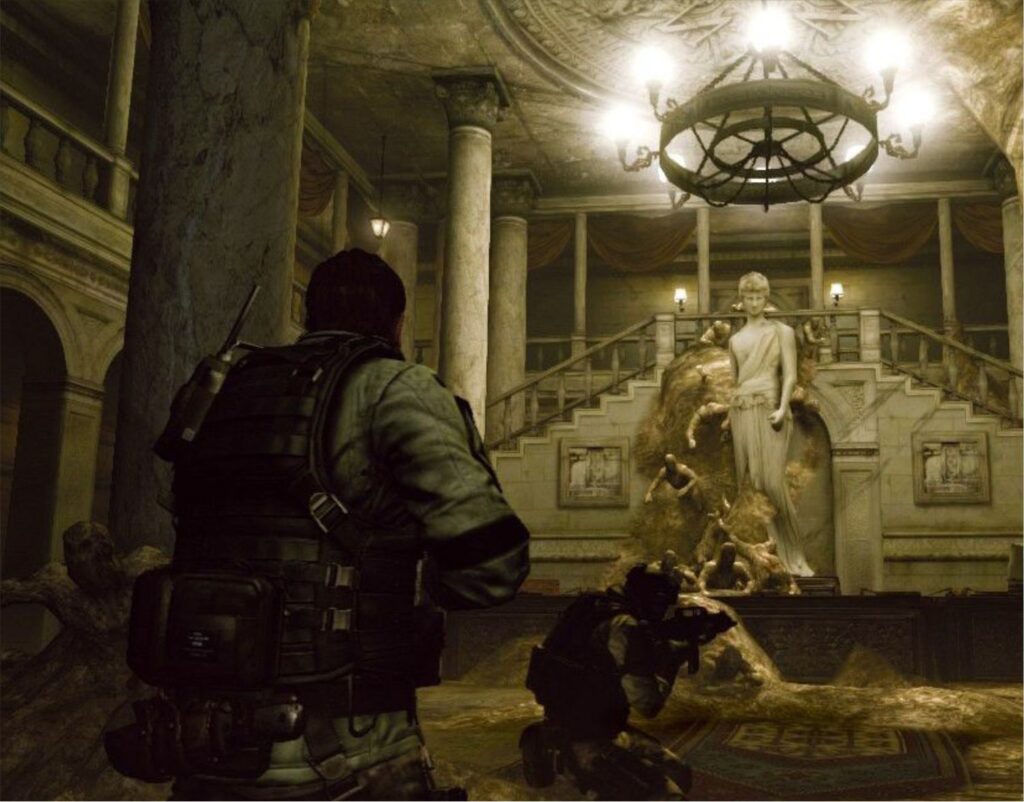
As the series progressed, Resident Evil adapted to changing player expectations. Later entries introduced faster-paced action, over-the-shoulder perspectives, and more dynamic combat while still retaining horror elements. This evolution helped the franchise reach a wider audience without completely abandoning its roots. Recent titles have successfully blended both styles, delivering modern visuals and immersive gameplay while reintroducing fear, suspense, and atmospheric tension.
The characters of Resident Evil are another major reason for its lasting appeal. Iconic protagonists such as Leon S. Kennedy, Jill Valentine, Chris Redfield, and Claire Redfield have become legends in gaming culture. Their development over multiple games adds emotional depth and continuity to the series. Villains and creatures, from classic zombies to grotesque bio-organic weapons, leave a lasting impression with their unsettling designs and lore.
Beyond games, Resident Evil has made a strong impact on popular culture. The franchise inspired multiple live-action films and animated features, introducing the universe to a broader audience. While adaptations vary in style and reception, they demonstrate the global recognition of the Resident Evil name. Merchandise, fan communities, and ongoing remakes further highlight its cultural influence.
In essence, Resident Evil is more than a horror game series it is a landmark in interactive entertainment. By constantly evolving while respecting its origins, the franchise continues to captivate both longtime fans and newcomers. Its blend of fear, action, and storytelling ensures that Resident Evil remains a powerful and unforgettable experience in the world of gaming.