




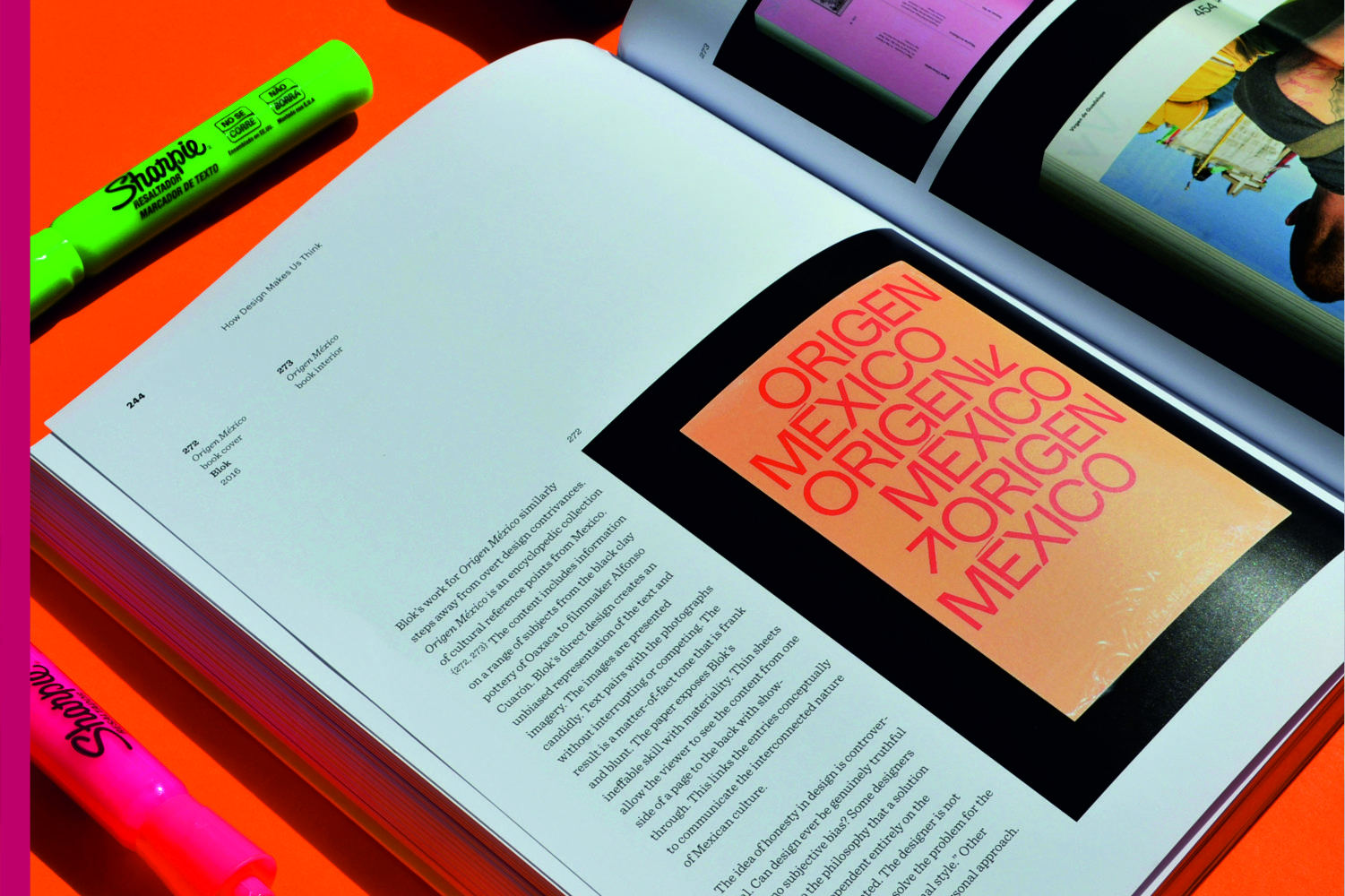
Book designing is a creative process that transforms written content into a visually engaging and readable experience. While the words carry the message, design shapes how readers connect with those words. From the cover that first catches the eye to the layout of each page, book designing plays a crucial role in attracting readers and enhancing their overall reading journey.
The first and most noticeable element of book designing is the cover. A well-designed cover communicates the genre, mood, and theme of the book within seconds. Typography, color schemes, imagery, and composition must work together to create a strong first impression. Whether it is a bold, minimalist design for a modern novel or an intricate illustration for a fantasy book, the cover acts as the book’s visual identity and marketing tool.
Inside the book, layout and formatting are equally important. Page margins, line spacing, font selection, and paragraph structure directly affect readability. Designers carefully choose typefaces that suit the tone of the content while ensuring comfort for long reading sessions. For example, serif fonts are often used in novels for smooth reading, while sans-serif fonts may be preferred for textbooks or modern publications. Proper alignment and white space help guide the reader’s eyes and prevent visual fatigue.
Illustrations and visual elements add another layer to book designing. In children’s books, illustrations are essential for storytelling and engagement. In non-fiction books, charts, diagrams, and images help explain complex ideas more clearly. Even subtle design choices like chapter headers, page numbers, and decorative dividers contribute to a cohesive and professional appearance.
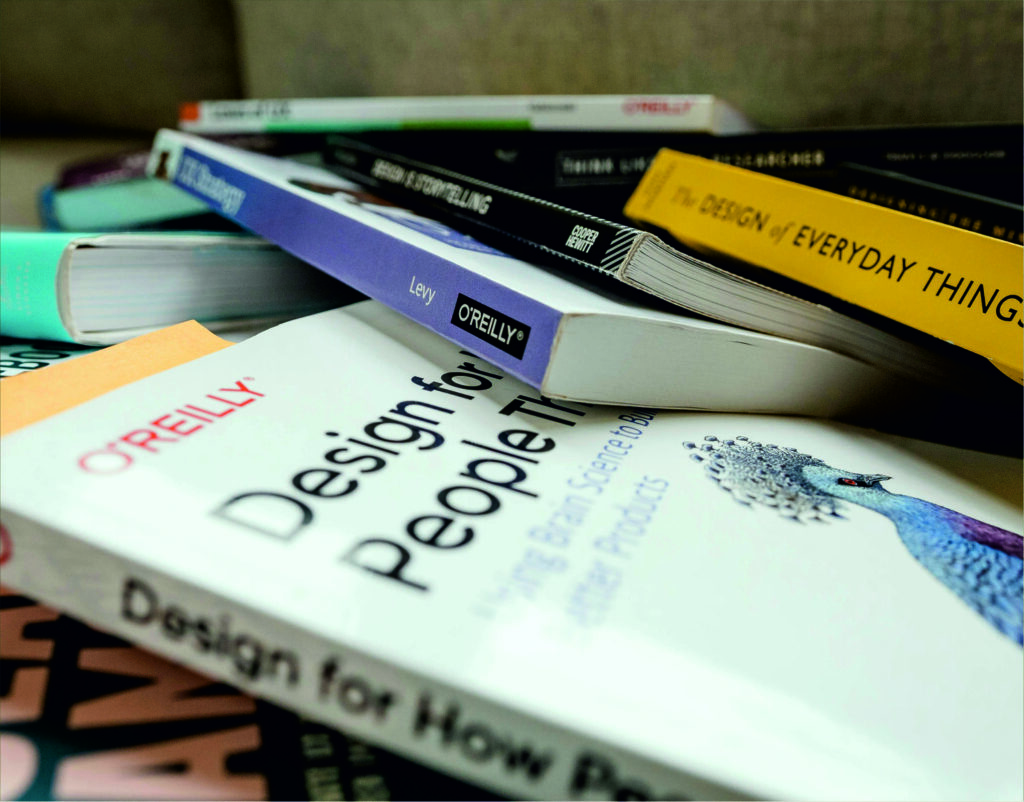
Book designing also involves understanding the target audience. A book designed for children will look very different from one aimed at academics or business professionals. Factors such as age group, cultural context, and reading habits influence design decisions. Designers must balance creativity with practicality, ensuring that the book not only looks attractive but also serves its purpose effectively.
In today’s digital age, book designing extends beyond print. E-books and audiobooks require different design approaches. Digital books must adapt to various screen sizes, making flexible layouts and responsive typography essential. Interactive elements, clickable tables of contents, and optimized formatting improve the digital reading experience. Designers now often work across both print and digital formats, blending traditional skills with modern technology.
The process of book designing is a collaboration between authors, editors, publishers, and designers. Each role contributes to refining the final product. Feedback, revisions, and testing are part of ensuring the design aligns with the content and the author’s vision. A well-designed book respects the text while enhancing its emotional and visual impact.
In conclusion, book designing is more than decoration; it is a thoughtful blend of art, communication, and functionality. Good design makes a book inviting, readable, and memorable. Whether in print or digital form, effective book designing helps stories and ideas reach readers in the most compelling way possible, turning a collection of words into a complete and immersive experience.