




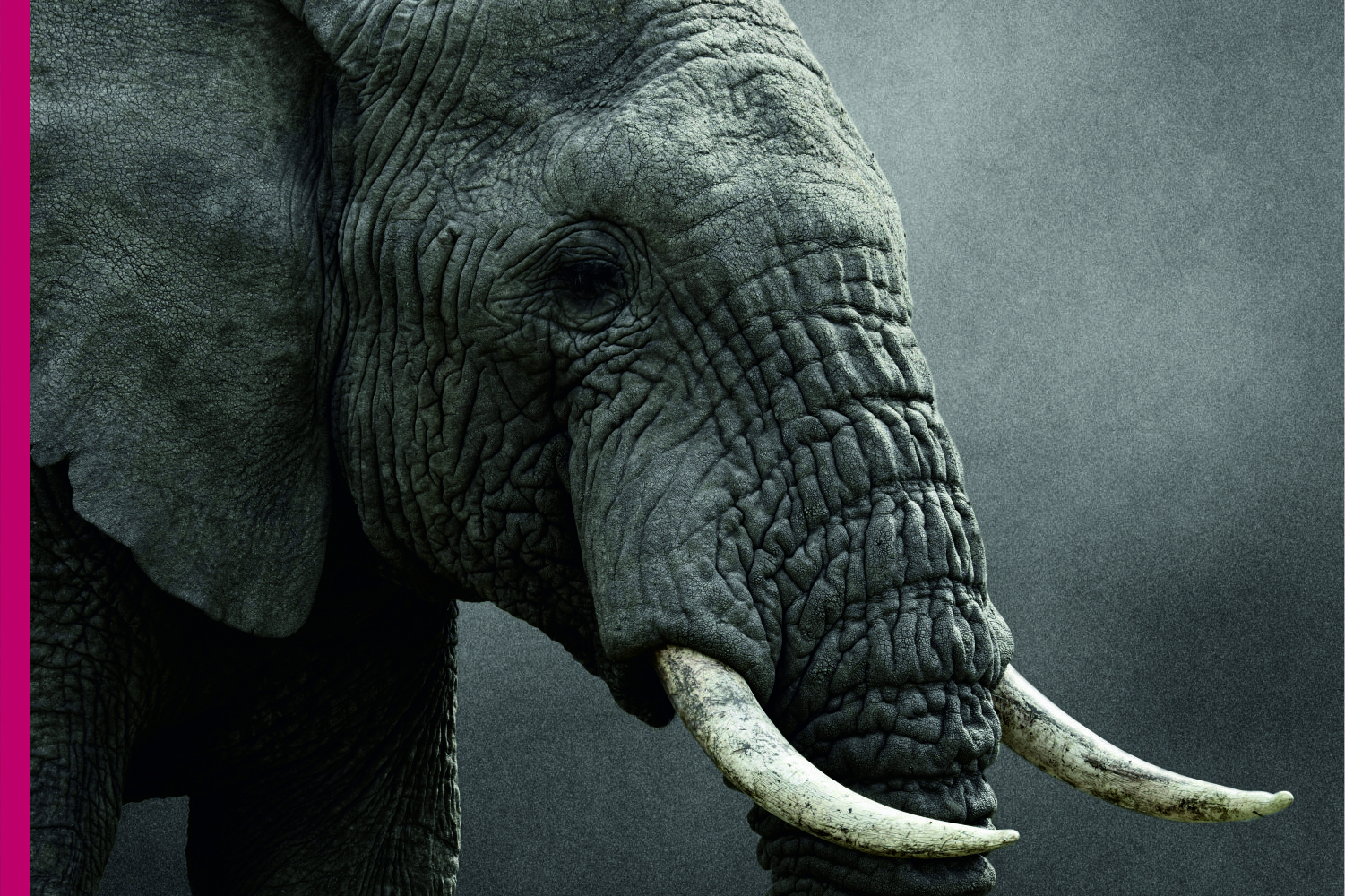
Grey elephants are among the most iconic and awe-inspiring creatures on Earth. Instantly recognizable by their massive size, wrinkled grey skin, and intelligent eyes, these gentle giants have captured human imagination for centuries. Found mainly across Africa and parts of Asia, elephants are not just the largest land animals alive today, but also among the most emotionally complex and socially intelligent.
Grey elephants are among the most iconic and awe-inspiring creatures on Earth. Instantly recognizable by their massive size, wrinkled grey skin, and intelligent eyes, these gentle giants have captured human imagination for centuries. Found mainly across Africa and parts of Asia, elephants are not just the largest land animals alive today, but also among the most emotionally complex and socially intelligent.
Elephants are known for their extraordinary intelligence. They possess large brains and demonstrate advanced cognitive abilities such as problem-solving, self-recognition, and long-term memory. Grey elephants can remember water sources, migration routes, and even individual humans or other elephants for many years. This remarkable memory is essential for survival, especially during droughts or environmental changes.
Social life is at the heart of elephant behavior. Grey elephants live in close-knit family groups led by a matriarch, usually the oldest and most experienced female. These families communicate using a variety of sounds, including low-frequency rumbles that can travel long distances. Touch also plays a key role in bonding; trunks are used to greet, comfort, and guide one another. The strong emotional connections within elephant herds are often compared to human family relationships.
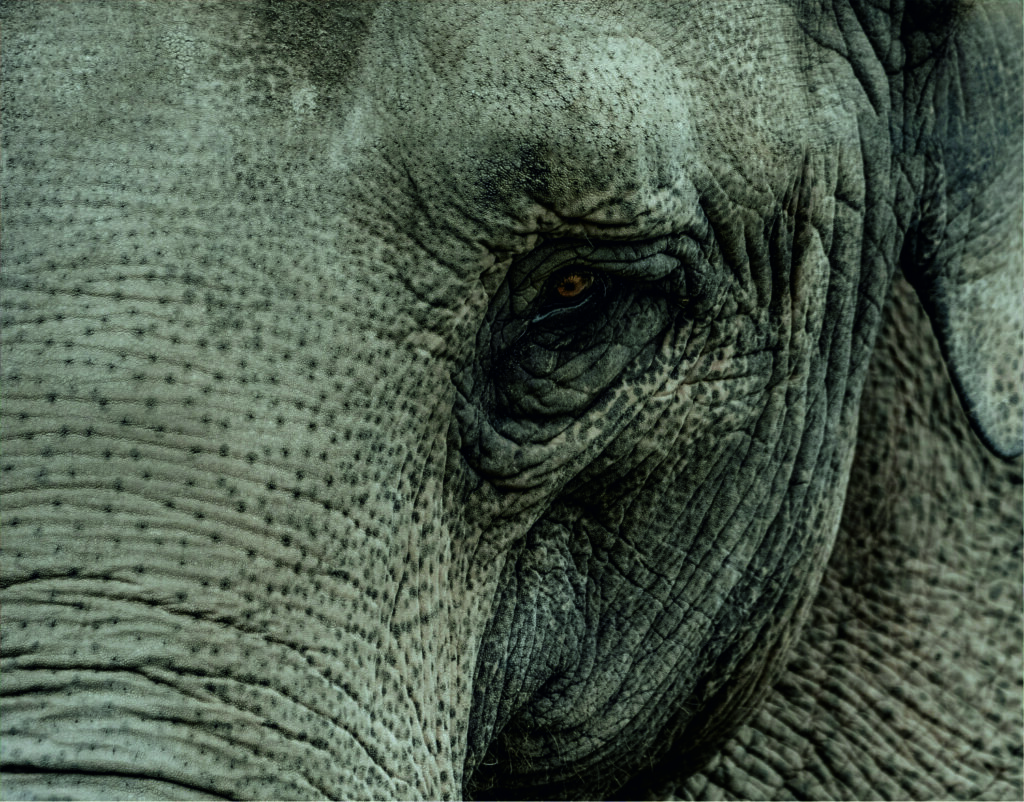
In the wild, elephants play a crucial role in maintaining ecosystems. Often referred to as “ecosystem engineers,” grey elephants shape their environment by uprooting trees, dispersing seeds, and creating pathways that other animals use. Their feeding habits help maintain a balance between forests and grasslands, supporting biodiversity. Even water holes created by elephants benefit countless other species during dry seasons.
Despite their strength and importance, grey elephants face serious threats. Habitat loss due to deforestation and human expansion has reduced their natural living spaces. Poaching for ivory remains a significant danger, especially for African elephants. Conservation efforts around the world aim to protect these majestic animals through wildlife reserves, anti-poaching laws, and community education programs.
Grey elephants also hold deep cultural and symbolic meaning in many societies. In Asian cultures, they are often associated with wisdom, strength, and good fortune. In Africa, elephants are respected as symbols of power, leadership, and unity. Their presence in art, folklore, and religion highlights the profound connection between humans and these remarkable animals.
In conclusion, grey elephants are far more than just large mammals roaming the wild. They are intelligent, emotional, and essential to the health of our planet. Protecting them is not only about saving a species, but also about preserving the balance of nature and honoring one of Earth’s most magnificent creations.