




In today’s digital age, a Wi-Fi connection has become as essential as electricity in homes, offices, and public spaces. From streaming entertainment and online learning to remote work and smart devices, Wi-Fi quietly powers much of our daily routine. Though invisible, its impact on communication, productivity, and convenience is enormous, making it one of the most important technologies of the modern world.
Wi-Fi, short for Wireless Fidelity, allows devices to connect to the internet without physical cables. Using radio waves, a Wi-Fi router transmits data between connected devices such as smartphones, laptops, tablets, smart TVs, and even household appliances. This wireless freedom eliminates clutter, supports mobility, and allows multiple users to stay connected simultaneously. Whether at home or in a café, Wi-Fi enables seamless access to information and services.
One of the biggest advantages of a Wi-Fi connection is convenience. Users can move freely within the coverage area while staying connected, making it ideal for flexible work environments and modern lifestyles. In homes, Wi-Fi supports activities like video calls, online gaming, digital payments, and smart home automation. Offices rely on stable Wi-Fi networks for collaboration tools, cloud storage, and real-time communication, helping teams work efficiently across locations.
Speed and reliability are key factors that define a good Wi-Fi connection. Internet speed depends on factors such as the internet service plan, router quality, distance from the router, and network congestion. Modern Wi-Fi standards offer faster speeds and better performance, enabling smooth streaming, quick downloads, and lag-free online experiences. However, physical obstacles like walls and interference from other electronic devices can affect signal strength, making proper router placement essential.
Security is another crucial aspect of Wi-Fi connections. Since wireless networks transmit data through the air, they can be vulnerable if not properly secured. Strong passwords, encryption, and updated router firmware help protect personal information from unauthorized access. Public Wi-Fi networks, while convenient, often carry higher risks, making it important for users to be cautious when accessing sensitive data on open networks.

Wi-Fi also plays a major role in bridging digital gaps. Public Wi-Fi hotspots in schools, libraries, hospitals, and transportation hubs help provide internet access to people who may not have it at home. This connectivity supports education, job searches, digital banking, and access to essential online services, contributing to social and economic development.
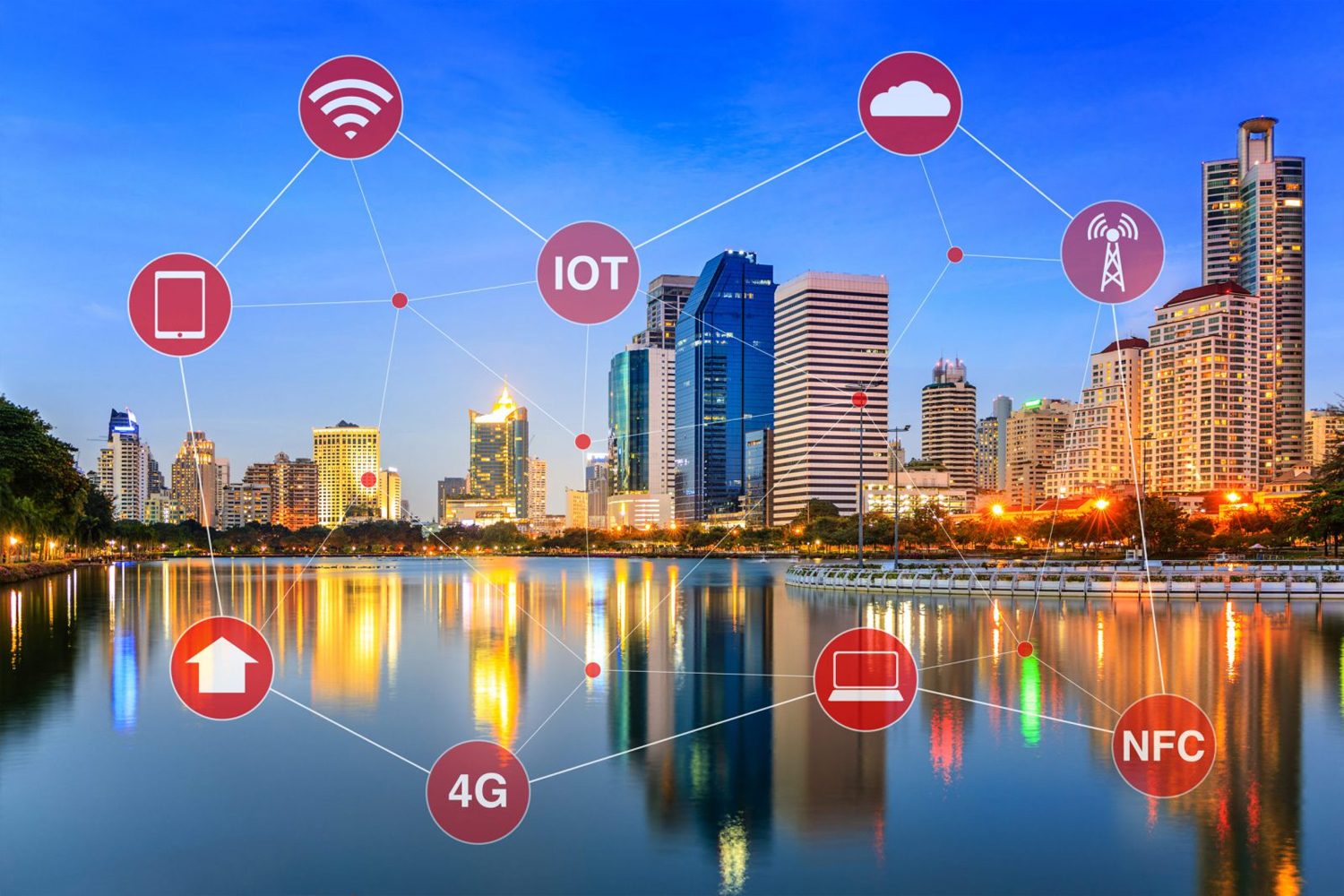
As technology continues to evolve, Wi-Fi connections are becoming faster, smarter, and more reliable. The rise of smart homes, Internet of Things devices, and cloud-based services further increases the demand for strong wireless networks. A stable Wi-Fi connection is no longer a luxury—it is a necessity.
In conclusion, Wi-Fi connections form the backbone of modern digital life. By enabling wireless communication, supporting innovation, and connecting people across the globe, Wi-Fi has transformed how we live, work, and interact. Its invisible presence continues to shape a more connected and convenient future.