








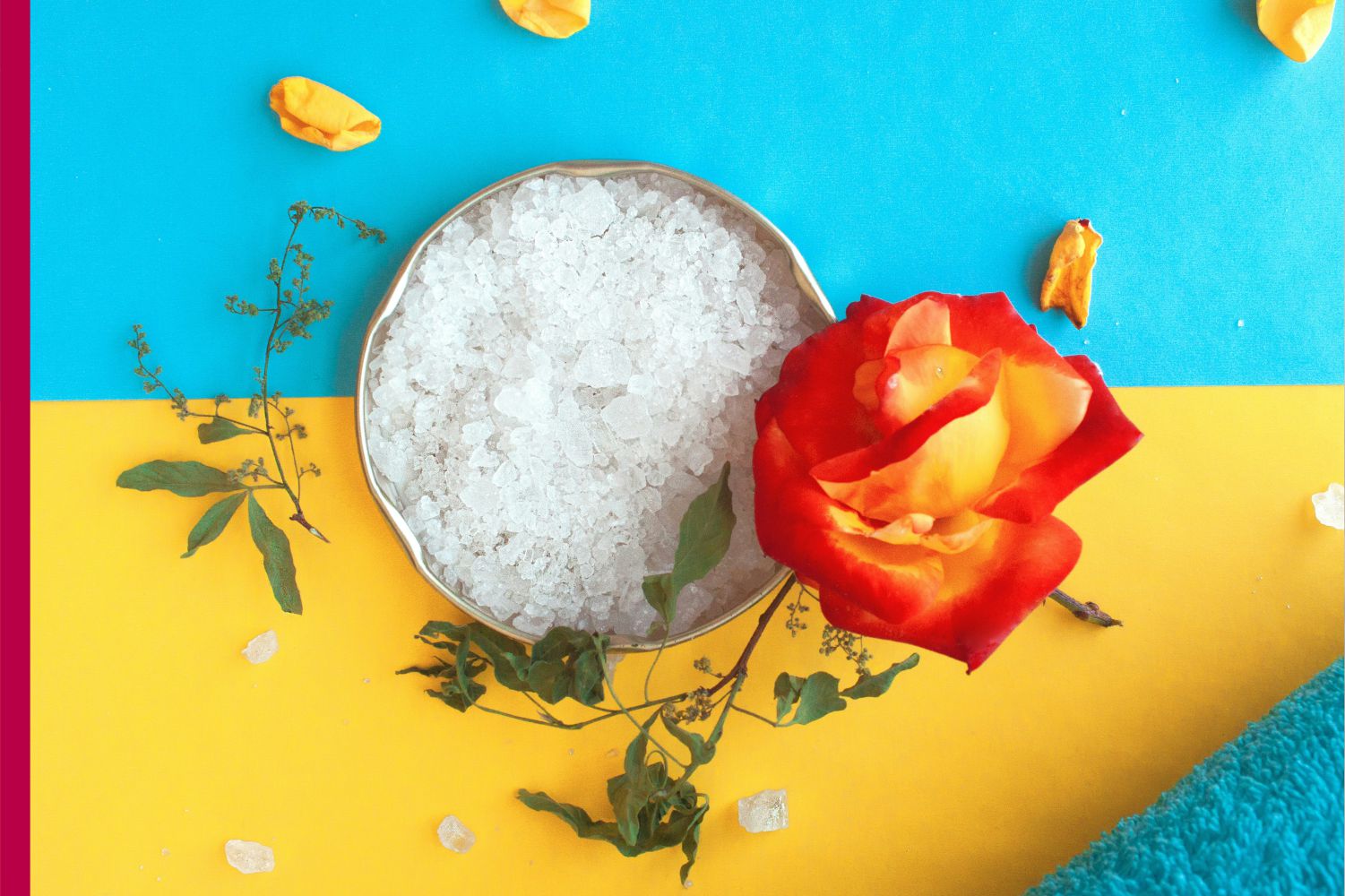
Salt is one of the most essential and ancient ingredients used by humans. Beyond its basic role in enhancing flavor, salt has cultural, culinary, and even medicinal significance. While it may seem like a simple substance, salt comes in many different forms, each with unique characteristics, textures, and uses. Understanding the types of salt can help you choose the right one for cooking, health, and everyday needs.
Table salt is the most common and widely used type of salt. It is finely ground and usually refined to remove impurities. Most table salt is iodized, meaning iodine is added to help prevent iodine deficiency, which supports thyroid health. Its fine texture makes it easy to measure and dissolve quickly, making it ideal for baking and general cooking. However, due to heavy processing, it lacks the trace minerals found in less refined salts.
Sea salt is produced by evaporating seawater and is known for its natural mineral content. Depending on its source, sea salt may contain small amounts of minerals like magnesium, potassium, and calcium, which can subtly affect its flavor. Sea salt crystals are typically coarser than table salt and are often used as a finishing salt to add texture and flavor to dishes. It is popular in gourmet cooking for its clean, natural taste.
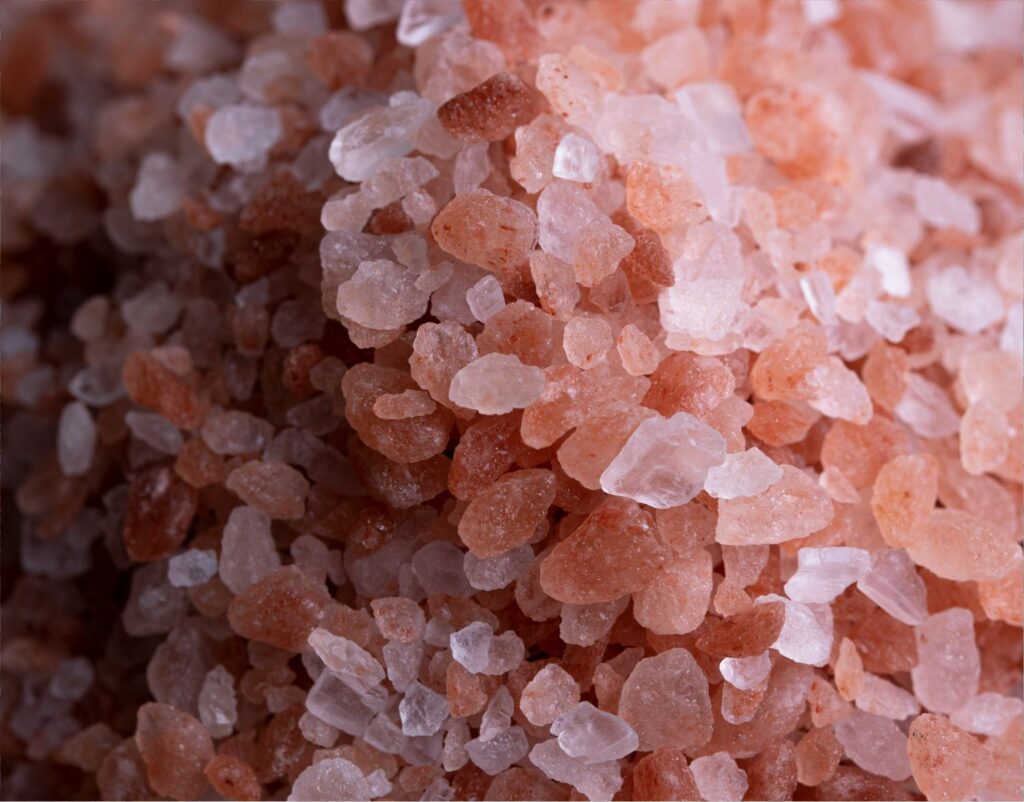
Himalayan pink salt has gained popularity for its distinctive pink color and mineral-rich composition. Mined from ancient salt deposits in the Himalayan region, this salt contains trace minerals such as iron, which gives it its pink hue. Himalayan salt is available in fine grains, coarse crystals, and even salt blocks used for cooking and serving food. While often marketed as healthier, its benefits are mainly aesthetic and culinary rather than nutritional.
Kosher salt is a favorite among professional chefs due to its coarse texture and easy handling. It gets its name from its traditional use in the koshering process of meat, where it helps draw out blood. Kosher salt does not usually contain iodine and has larger flakes that make it easier to pinch and sprinkle. Its mild, clean taste makes it ideal for seasoning during cooking.
Rock salt is a less refined form of salt that appears in large, chunky crystals. It is commonly used in food preservation, ice cream making, and traditional remedies. In some cultures, edible rock salt is used in cooking and seasoning, while in others it is primarily used for industrial or de-icing purposes. Its strong, salty flavor means it should be used carefully in food.
Specialty salts add both flavor and visual appeal to dishes. Black salt, often used in South Asian cuisine, has a distinct sulfur-like aroma and is popular in chaats and vegan dishes for its egg-like flavor. Smoked salt is infused with smoke from wood, adding a rich, smoky taste to grilled and roasted foods.
In conclusion, salt is far more diverse than it appears at first glance. Each type of salt offers unique textures, flavors, and uses that can elevate cooking and enhance culinary experiences. By choosing the right salt for the right purpose, you can bring out the best in your food while appreciating the fascinating variety of this everyday mineral.