








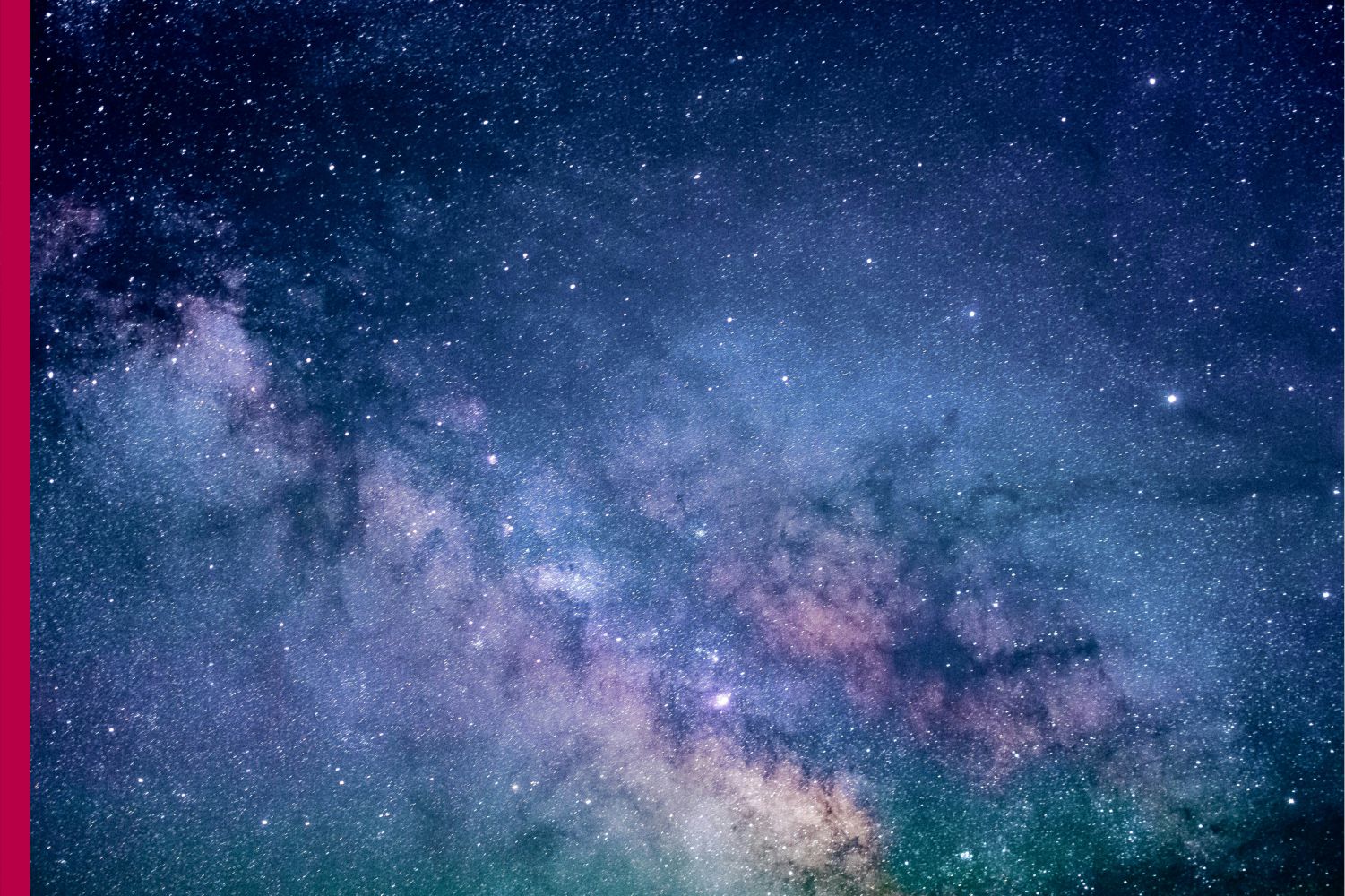
Our galaxy, known as the Milky Way, is a magnificent and complex system that serves as the cosmic home for billions of stars, planets, and countless mysteries. When we look up at the night sky and see a faint band of light stretching across the darkness, we are witnessing a small glimpse of this enormous structure. The Milky Way is not just a collection of stars; it is a dynamic universe in motion, shaped by gravity, time, and cosmic forces.
The Milky Way is a barred spiral galaxy, meaning it has a central bar-shaped region made of stars, with spiral arms extending outward. These arms contain vast clouds of gas and dust where new stars are born. At the very center of the galaxy lies a supermassive black hole, believed to be millions of times more massive than the Sun. Although black holes sound threatening, this one plays a crucial role in holding the galaxy together through its immense gravitational pull.
Our solar system is located in one of the spiral arms called the Orion Arm, far from the galactic center. This position provides a relatively stable environment, allowing life on Earth to develop over billions of years. The Milky Way itself is incredibly old, estimated to be over 13 billion years in age, almost as old as the universe itself. Over this immense span of time, stars have formed, lived, and died, creating the elements that make up planets and life.
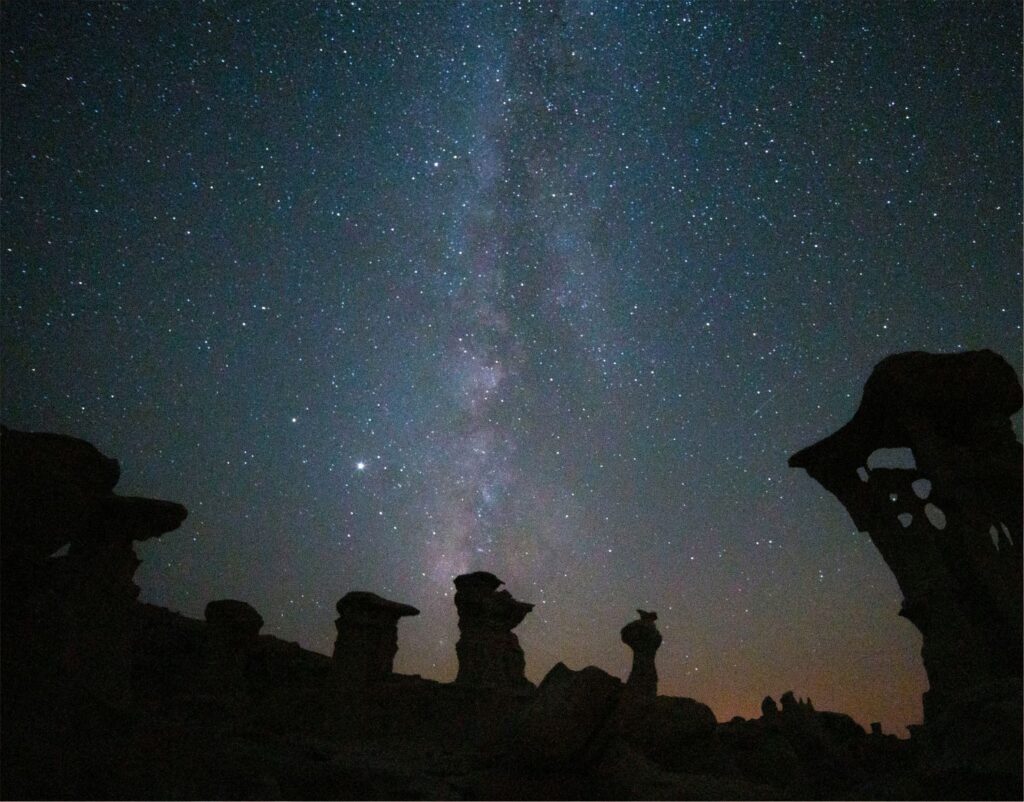
One of the most fascinating aspects of our galaxy is its sheer size. The Milky Way is thought to contain more than 100 billion stars, many of which host planetary systems. With modern telescopes, scientists have discovered thousands of exoplanets, raising the possibility that life may exist elsewhere in our galaxy. This idea fuels ongoing research and captures the imagination of scientists and dreamers alike.
The Milky Way is constantly moving and evolving. Stars orbit the galactic center, and the galaxy itself is traveling through space. In the distant future, the Milky Way is expected to collide and merge with the neighboring Andromeda galaxy. Rather than a destructive crash, this slow cosmic dance will reshape both galaxies over billions of years, forming a new, even larger galaxy.
Beyond its scientific importance, our galaxy has inspired human culture for centuries. Ancient civilizations created myths and stories to explain the glowing band of the Milky Way in the sky. Today, it continues to inspire art, philosophy, and curiosity about our place in the universe. Looking at the galaxy reminds us of both our smallness and our connection to something vast and beautiful.
In essence, our galaxy is more than a distant astronomical object. It is our cosmic neighborhood, a cradle of stars and worlds that holds the story of our origins. As science advances, each new discovery within the Milky Way brings us closer to understanding not only the universe, but also ourselves.