



Climatic change, often referred to as climate change, is one of the most critical issues facing the world today. It describes long-term changes in temperature, weather patterns, and environmental conditions on Earth. While climate variations have occurred naturally over centuries, the current rate of change is largely driven by human activities, making it a global concern that affects ecosystems, economies, and everyday life.
One of the primary causes of climatic change is the increase in greenhouse gases in the atmosphere. Activities such as burning fossil fuels, deforestation, industrial production, and intensive agriculture release large amounts of carbon dioxide, methane, and other heat-trapping gases. These gases create a warming effect, raising global temperatures and disrupting natural climate systems. As a result, the planet is experiencing more frequent heatwaves, rising sea levels, and unpredictable weather patterns.
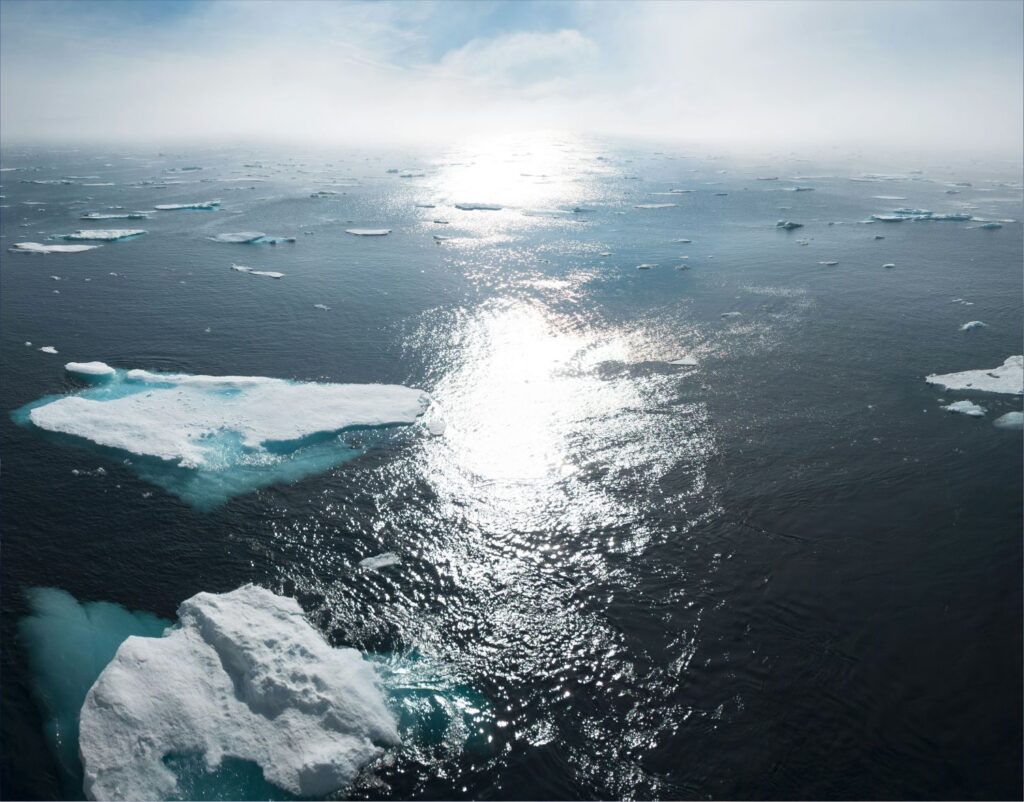
The impact of climatic change is visible across the world. Glaciers and polar ice caps are melting at alarming rates, contributing to rising ocean levels that threaten coastal communities. Extreme weather events, including floods, droughts, hurricanes, and wildfires, are becoming more intense and more common. These events not only damage infrastructure but also affect food security, water availability, and human health, especially in vulnerable regions.
Ecosystems and wildlife are also under severe stress due to climatic change. Many species struggle to adapt to rapidly changing temperatures and habitats. Coral reefs, for example, are experiencing widespread bleaching due to warmer oceans. Forests face increased risks from pests, fires, and changing rainfall patterns. The loss of biodiversity weakens ecosystems, reducing their ability to provide essential services such as clean air, water, and fertile soil.
Climatic change has significant social and economic consequences. Farmers face unpredictable growing seasons, affecting crop yields and livelihoods. Communities dependent on natural resources are forced to migrate in search of safer environments and better opportunities. This climate-driven displacement increases pressure on cities and can contribute to social and political instability. Developing countries, which often contribute least to global emissions, are among the most affected.
Addressing climatic change requires collective global action. Reducing greenhouse gas emissions through renewable energy, energy efficiency, and sustainable transportation is essential. Protecting forests, promoting responsible consumption, and investing in climate-resilient infrastructure can help mitigate damage. Equally important is adaptation—preparing communities to cope with unavoidable climate impacts through better planning, early warning systems, and disaster management.
Individuals also play a role in combating climatic change. Simple actions such as conserving energy, reducing waste, using public transport, and supporting eco-friendly products contribute to a larger collective impact. Awareness and education empower people to make informed choices and demand responsible policies from governments and industries.
In conclusion, climatic change is not a distant threat it is a present reality shaping the future of our planet. Confronting it requires urgency, cooperation, and long-term commitment. By taking responsible action today, humanity can work toward a more sustainable, resilient, and balanced world for generations to come.