





Realistic painting art is a powerful form of visual expression that aims to portray subjects exactly as they appear in real life. Rooted in careful observation, technical mastery, and patience, realistic painting focuses on detail, proportion, light, and texture to create artworks that closely resemble photographs or real-world scenes. This art style has fascinated viewers for centuries because of its ability to blur the line between art and reality.
The foundation of realistic painting lies in observation. Artists spend countless hours studying their subjects, whether it is a human face, a still object, or a natural landscape. Every shadow, highlight, color variation, and surface texture matters. Unlike abstract or expressive styles, realism demands accuracy and discipline. Artists must understand anatomy, perspective, and lighting to convincingly represent depth and form. Even the smallest details, such as reflections in the eyes or subtle skin tones, play a crucial role in bringing a painting to life.
Realistic painting has a long history in the art world. Classical artists used realism to document people, events, and environments before photography existed. Over time, realism evolved alongside artistic movements, adapting to new tools and techniques. Today, modern realistic painters often work from high-resolution photographs, combining traditional methods with contemporary references. This blend allows artists to achieve extraordinary levels of precision while still maintaining a personal artistic touch.
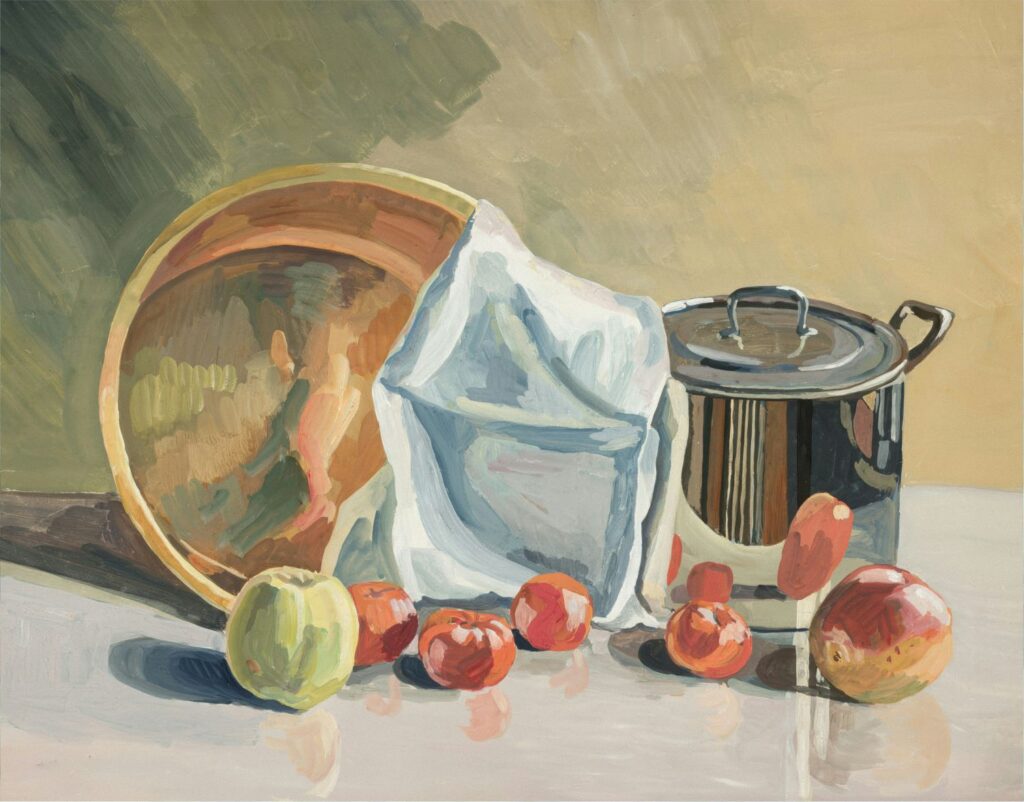
One of the most captivating aspects of realistic painting art is its emotional impact. A realistic portrait can capture not just a person’s appearance but also their mood, personality, and inner life. Similarly, realistic still-life paintings can evoke feelings of nostalgia or calm by presenting ordinary objects in a thoughtful and meaningful way. Landscapes painted realistically often transport viewers into the scene, allowing them to feel the atmosphere, temperature, and time of day depicted in the artwork.
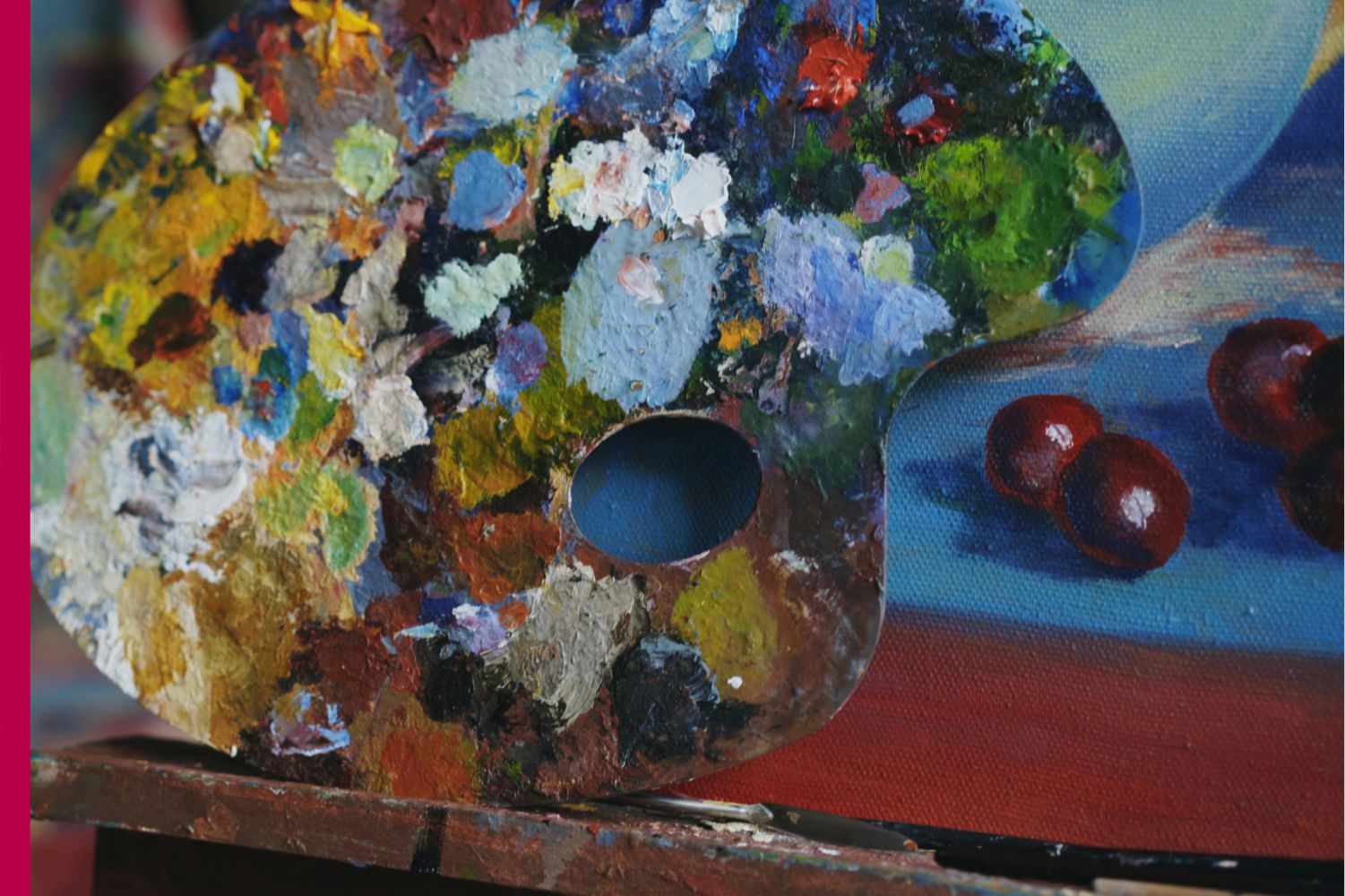
The materials and techniques used in realistic painting vary widely. Artists may choose oil paints for their rich colors and smooth blending, acrylics for their fast drying time, or watercolors for their delicate transparency. Layering is a common technique, where artists build depth gradually by applying multiple thin layers of paint. This process enhances realism by creating natural transitions between light and shadow. Brushes, palette knives, and even unconventional tools are used to achieve specific textures and effects.
Creating realistic art requires patience and dedication. A single painting can take days, weeks, or even months to complete. Mistakes must be corrected carefully, as realism leaves little room for error. However, the reward is immense. Completing a realistic painting provides a sense of accomplishment and often amazes viewers who admire the artist’s skill and attention to detail.
In today’s digital age, realistic painting art continues to thrive. While photography and digital art dominate visual media, hand-painted realism remains deeply valued for its craftsmanship and authenticity. It reminds us of the human ability to observe, interpret, and recreate the world with precision and emotion. Realistic painting art is not just about copying reality it is about understanding it and presenting it in a way that resonates deeply with the viewer.