



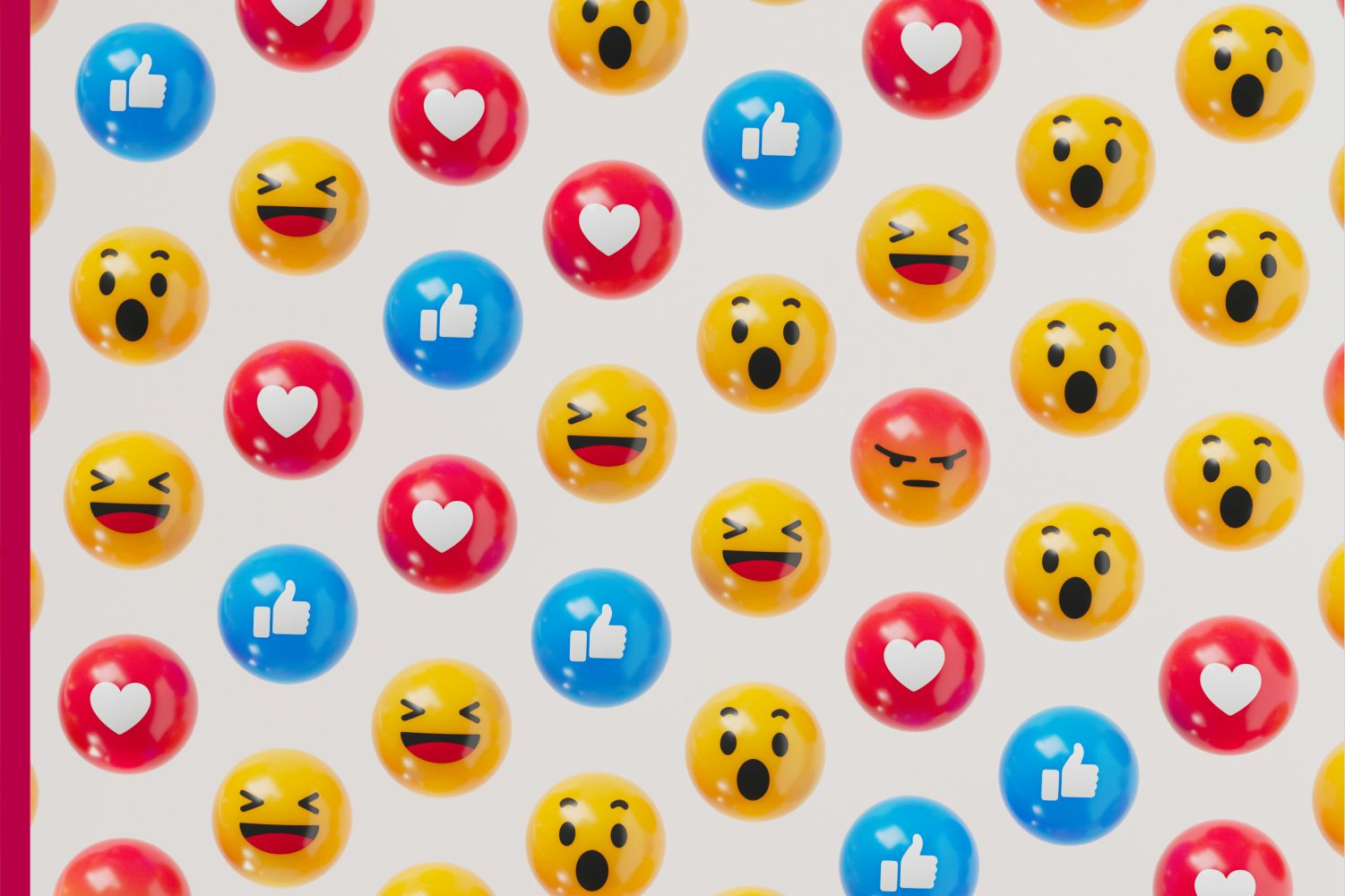
Emojis have become an essential part of modern communication. From expressing laughter and love to conveying sarcasm or sadness, these tiny symbols often say what words cannot. But have you ever wondered how emojis are made? Behind every smiling face, hand gesture, or colorful symbol lies a fascinating process that blends creativity, cultural awareness, and technical standardization.
The journey of emojis began in the late 1990s in Japan, where designer Shigetaka Kurita created the first set of 176 emojis for mobile internet services. These early emojis were simple, pixel-based images inspired by manga, street signs, and everyday emotions. As mobile phones and digital messaging spread worldwide, the demand for expressive visual symbols grew rapidly, turning emojis into a universal digital language.
Today, emojis are created through a structured and collaborative process, primarily governed by the Unicode Consortium. Unicode is a global organization responsible for maintaining consistent text and symbols across different devices and platforms. Without Unicode, an emoji sent from one phone might appear as a random symbol or not display at all on another device. To ensure consistency, every emoji must be approved and assigned a unique Unicode code.
The creation process usually starts with an idea. Anyone from individuals and designers to companies—can propose a new emoji. A formal proposal is submitted to the Unicode Consortium, explaining the emoji’s purpose, expected usage, cultural relevance, and uniqueness. The proposal also includes sample designs and data supporting why the emoji would be widely used. Popular demand, social trends, and cultural significance play a big role in whether an emoji gets approved.
Once a proposal is accepted, the emoji enters the design phase. Unicode defines what the emoji represents but does not dictate its exact appearance. This is where tech companies like Apple, Google, Microsoft, Samsung, and Meta step in. Each company designs its own version of the emoji, following Unicode guidelines while maintaining its brand style. This is why the same emoji may look slightly different on an iPhone compared to an Android device, even though it represents the same concept.
Designing an emoji is a careful balance between simplicity and clarity. Emojis must be recognizable at very small sizes and still convey emotion or meaning instantly. Designers consider color choices, facial expressions, and cultural sensitivity. In recent years, inclusivity has become a major focus, leading to emojis with different skin tones, genders, professions, and disabilities to better represent global users.
After design and testing, emojis are included in operating system updates and messaging platforms. Once released, they quickly become part of everyday conversations, social media trends, and even marketing campaigns. Some emojis gain unexpected meanings over time, shaped by internet culture and user creativity.
In conclusion, emojis are not just fun icons—they are carefully crafted symbols created through a global process of standardization, design, and cultural understanding. From a simple idea to worldwide usage, the making of emojis reflects how technology and human expression continue to evolve together in the digital age.