



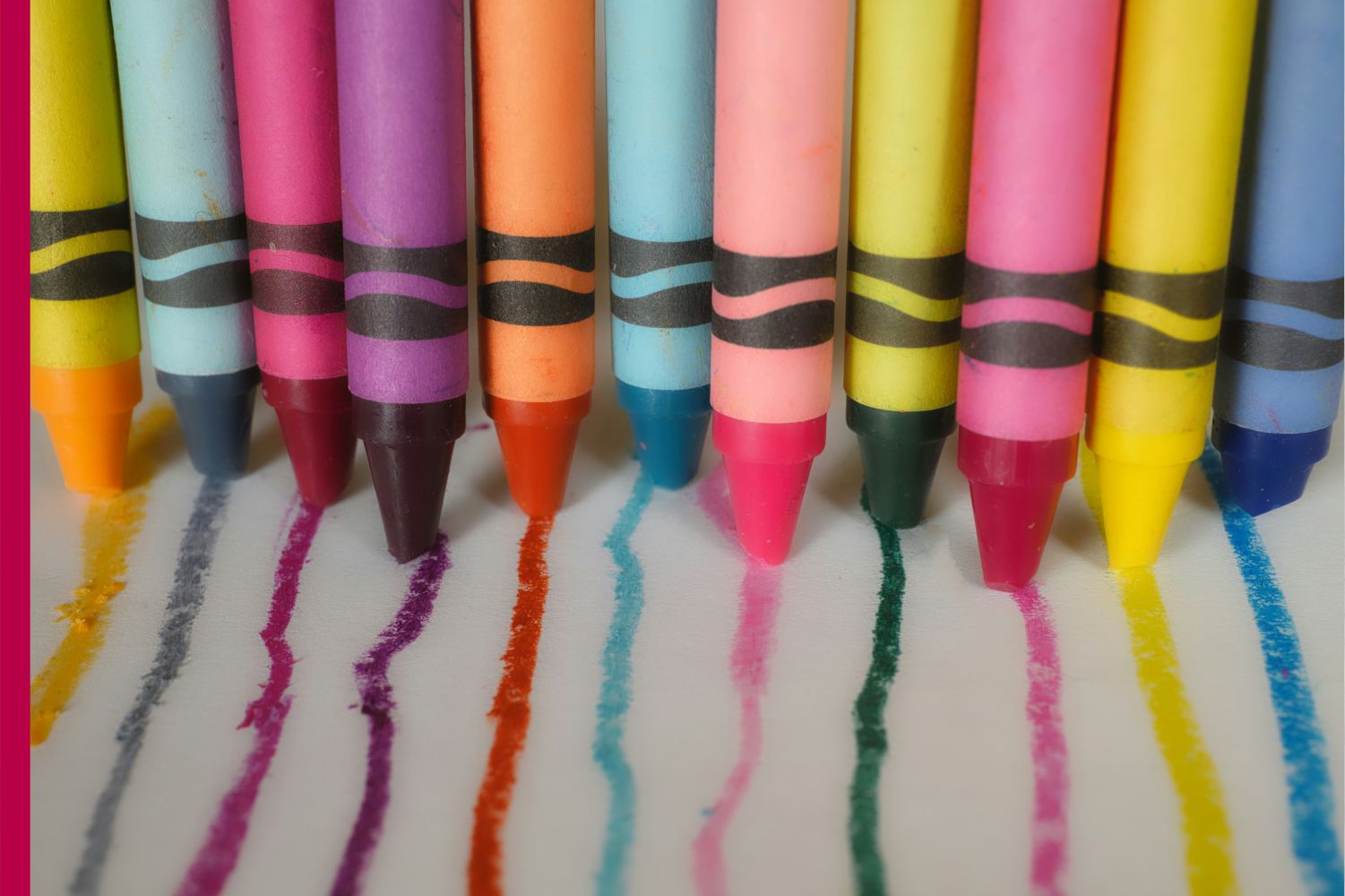
Color psychology is the study of how colors affect human emotions, perceptions, and behavior. Every color we see can trigger feelings, memories, and reactions often without us even realizing it. From branding and interior design to fashion and marketing, color plays a powerful role in shaping how we experience the world around us. Understanding color psychology helps individuals and businesses communicate more effectively and create stronger emotional connections.
Different colors are associated with different emotions and meanings. Red, for example, is often linked to energy, passion, and urgency. It can stimulate excitement and draw attention, which is why it is frequently used in advertising and sale promotions. However, excessive red can also evoke feelings of aggression or stress, showing how context and balance are important.
Blue is commonly associated with calmness, trust, and stability. It is widely used in corporate branding, healthcare, and technology because it creates a sense of reliability and professionalism. Blue has a soothing effect on the mind, making it ideal for environments where focus and relaxation are needed. This is why bedrooms, offices, and meditation spaces often incorporate shades of blue.
Yellow represents happiness, optimism, and creativity. It is a bright and cheerful color that can lift moods and encourage positivity. In design, yellow is used to attract attention and spark enthusiasm. However, when overused, it can feel overwhelming or cause eye strain. Soft or muted shades of yellow tend to create warmth without being overpowering.
Green is closely connected to nature, growth, and balance. It symbolizes health, renewal, and harmony. Green is often used in eco-friendly branding, wellness spaces, and financial institutions. Its calming effect makes it one of the easiest colors on the eyes, promoting relaxation and emotional stability.
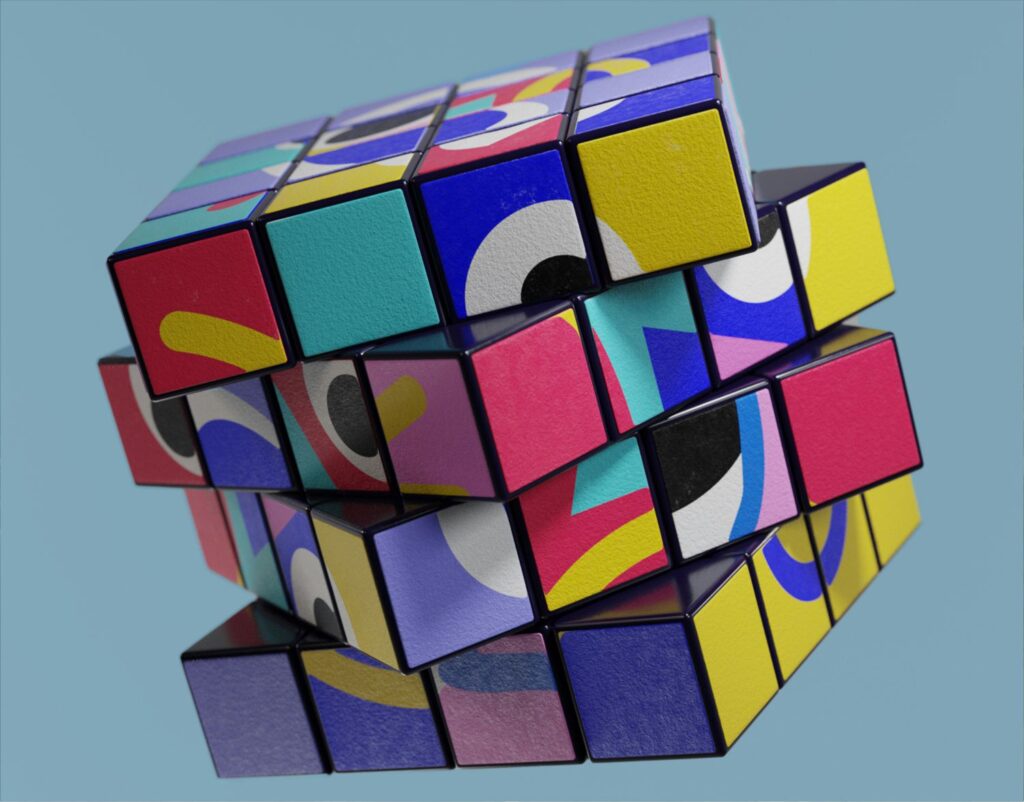
Purple is associated with luxury, imagination, and spirituality. Historically linked to royalty, purple often represents creativity and wisdom. Lighter shades like lavender can feel calming and romantic, while deeper purples convey richness and sophistication. This versatility makes purple popular in both artistic and premium branding.
Black and white also hold strong psychological significance. Black represents power, elegance, and mystery, often used in high-end fashion and luxury branding. White, on the other hand, symbolizes purity, simplicity, and clarity. Together, they create contrast and balance, commonly seen in modern and minimalist design.
Color psychology is not universal, as cultural background and personal experiences influence how individuals perceive colors. For example, white symbolizes purity in some cultures, while in others it represents mourning. This makes cultural awareness essential when using color in global communication.
In conclusion, color psychology reveals that colors are more than just visual elements—they are emotional and psychological tools. By understanding how colors influence mood and behavior, we can make more thoughtful choices in design, branding, and daily life. Whether consciously or subconsciously, color shapes our emotions, decisions, and experiences every day.