



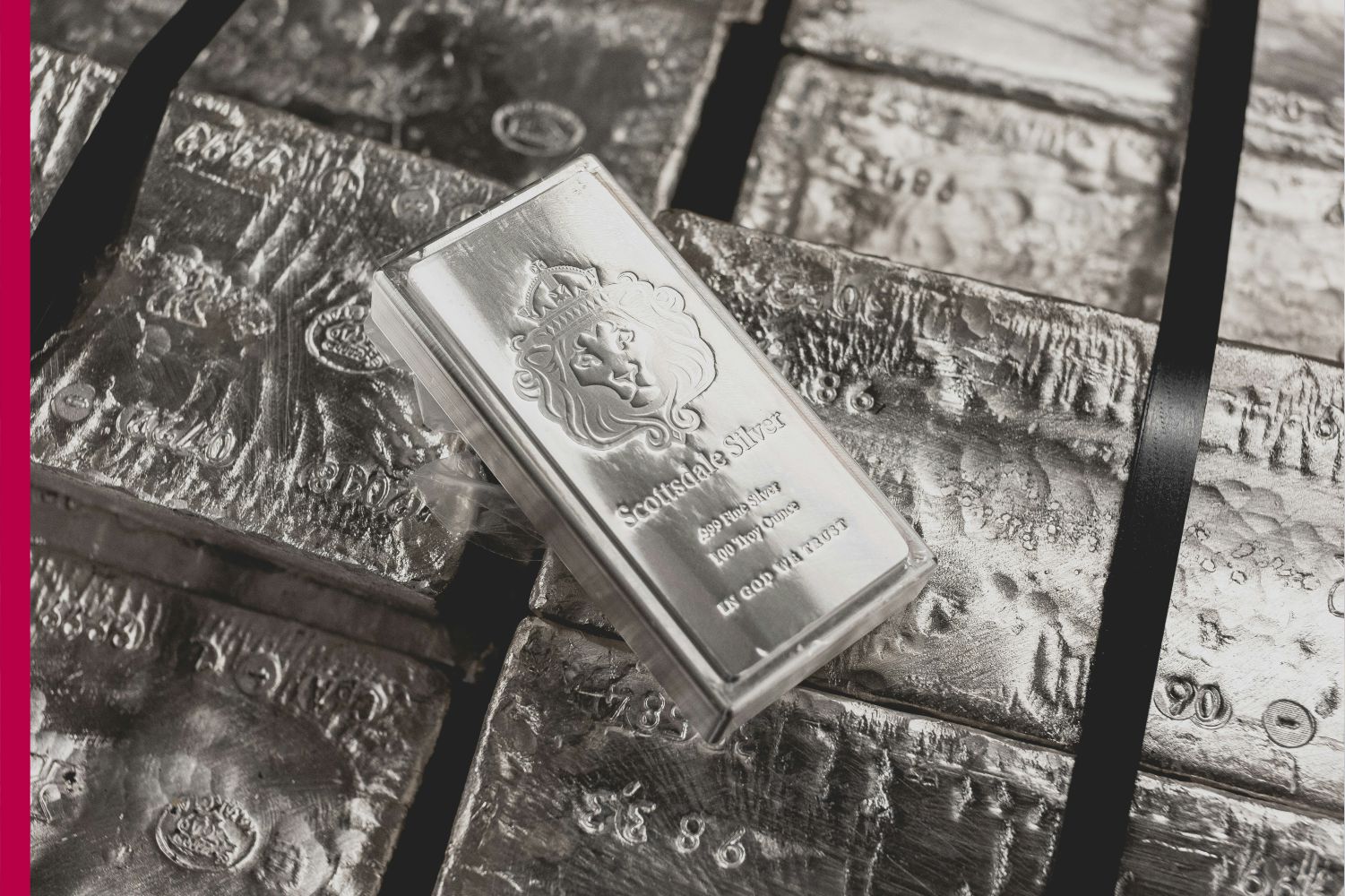
Silver has long been valued as both a precious metal and an industrial resource. Unlike gold, which is often viewed purely as a store of wealth, silver holds a unique dual role. It is used in jewelry, coins, and investments, while also playing a critical part in industries such as electronics, solar energy, and healthcare. Because of this versatility, the silver rate is influenced by a wide range of economic and industrial factors, making it an interesting and dynamic market to follow.
The silver rate refers to the current market price of silver, usually quoted per gram or per ounce. This rate changes frequently based on global supply and demand, currency movements, inflation, and overall economic conditions. Investors, traders, jewelers, and manufacturers closely monitor silver prices, as even small fluctuations can impact buying decisions and production costs.
One of the key factors affecting the silver rate is industrial demand. Silver is an excellent conductor of electricity and heat, making it essential in electronic components, batteries, and renewable energy technologies such as solar panels. As industries grow and technology advances, demand for silver increases, often pushing prices upward. This industrial reliance makes silver more sensitive to economic cycles compared to gold.
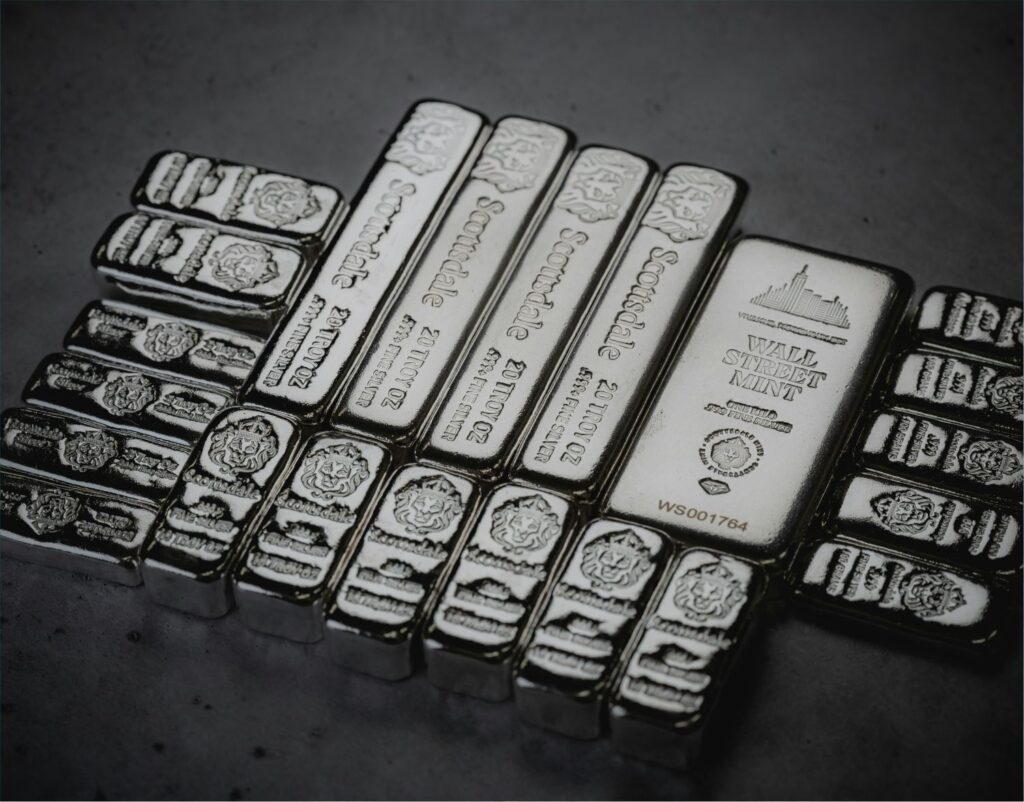
Investment demand also plays a major role in determining silver rates. During times of inflation, economic uncertainty, or currency weakness, investors often turn to precious metals as a hedge. Silver, being more affordable than gold, attracts a wide range of investors, from small buyers to large institutions. Exchange-traded funds (ETFs), silver coins, and bullion have made investing in silver more accessible, further influencing price movements.
Another important factor is global supply. Silver is mined in various parts of the world, often as a byproduct of mining other metals such as copper, lead, and zinc. Any disruption in mining operations, changes in mining regulations, or increases in production costs can affect supply levels and, in turn, the silver rate. Recycling of silver from old electronics and industrial waste also contributes to overall supply.
Currency exchange rates, especially the strength of the US dollar, have a direct impact on silver prices. Since silver is traded globally in dollars, a weaker dollar often leads to higher silver rates, making it cheaper for international buyers. Conversely, a strong dollar can put downward pressure on prices.
For consumers, silver rate fluctuations influence the cost of jewelry, silverware, and decorative items. In many cultures, silver is valued not just for its beauty but also for its affordability and cultural significance. Buyers often track silver rates to make informed purchasing decisions, especially during festive or wedding seasons.
In conclusion, the silver rate reflects a balance between investment interest, industrial demand, global supply, and economic conditions. Its dynamic nature makes silver an attractive option for both practical use and long-term investment. By understanding the factors that influence silver prices, individuals can make smarter decisions whether they are investors, consumers, or industry professionals keeping an eye on this versatile and valuable metal.