








Gold has fascinated humanity for thousands of years, symbolizing wealth, power, and stability. From ancient civilizations that used gold as currency to modern financial markets that rely on it as a safe-haven asset, the gold trade has remained a vital part of the global economy. Despite changing technologies and economic systems, gold continues to hold its value and relevance, making its trade both timeless and strategic.
The origins of gold trade date back to early human societies, where gold was prized for its rarity, durability, and beauty. Ancient Egypt, Mesopotamia, and India were among the first regions to mine and trade gold extensively. Over time, gold became a universal medium of exchange, shaping trade routes and influencing the rise and fall of empires. Even today, gold’s historical significance contributes to its strong cultural and economic appeal.
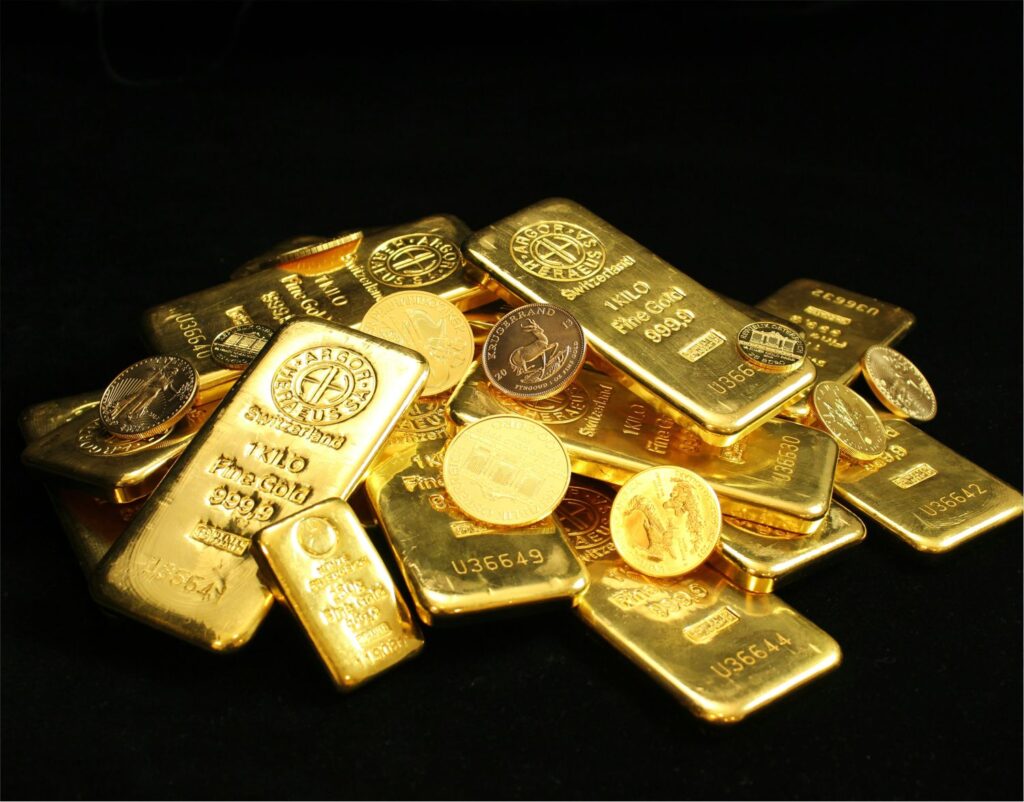
In the modern world, gold trade operates through multiple channels. Physical gold trading includes jewelry, coins, and bullion, which remain popular among individuals and institutions alike. Jewelry accounts for a significant portion of global gold demand, especially in countries where gold plays an important cultural role in weddings and festivals. Bullion and coins, on the other hand, are primarily used for investment and wealth preservation.
Financial markets have further expanded the scope of gold trade. Gold is now traded through futures, options, exchange-traded funds (ETFs), and digital gold platforms. These instruments allow investors to gain exposure to gold without physically owning it, making gold trading more accessible and flexible. Prices are influenced by global factors such as inflation, interest rates, currency movements, geopolitical tensions, and central bank policies. During periods of economic uncertainty, demand for gold often rises as investors seek stability.
Gold also plays a crucial role in international trade and monetary policy. Central banks around the world hold gold reserves as a safeguard against economic shocks and currency fluctuations. These reserves strengthen national financial stability and build confidence in monetary systems. Changes in central bank buying or selling patterns can significantly impact global gold prices.
The gold trade is closely linked to mining and sustainability concerns. Gold mining contributes to employment and economic growth in many regions, but it also raises environmental and ethical challenges. Responsible mining practices, fair labor conditions, and eco-friendly technologies are becoming increasingly important as consumers and investors demand transparency and accountability in the gold supply chain.
Technological advancements have also reshaped the gold trade. Digital trading platforms, real-time pricing, and improved logistics have made gold markets more efficient and interconnected. Blockchain technology is even being explored to enhance traceability and authenticity, reducing fraud and increasing trust in gold transactions.
In essence, the gold trade represents a unique blend of tradition and modern finance. It connects ancient human values with contemporary economic systems, offering both emotional and financial security. As global markets continue to evolve, gold remains a reliable asset—proving that its shine is not just physical, but economic and enduring.