




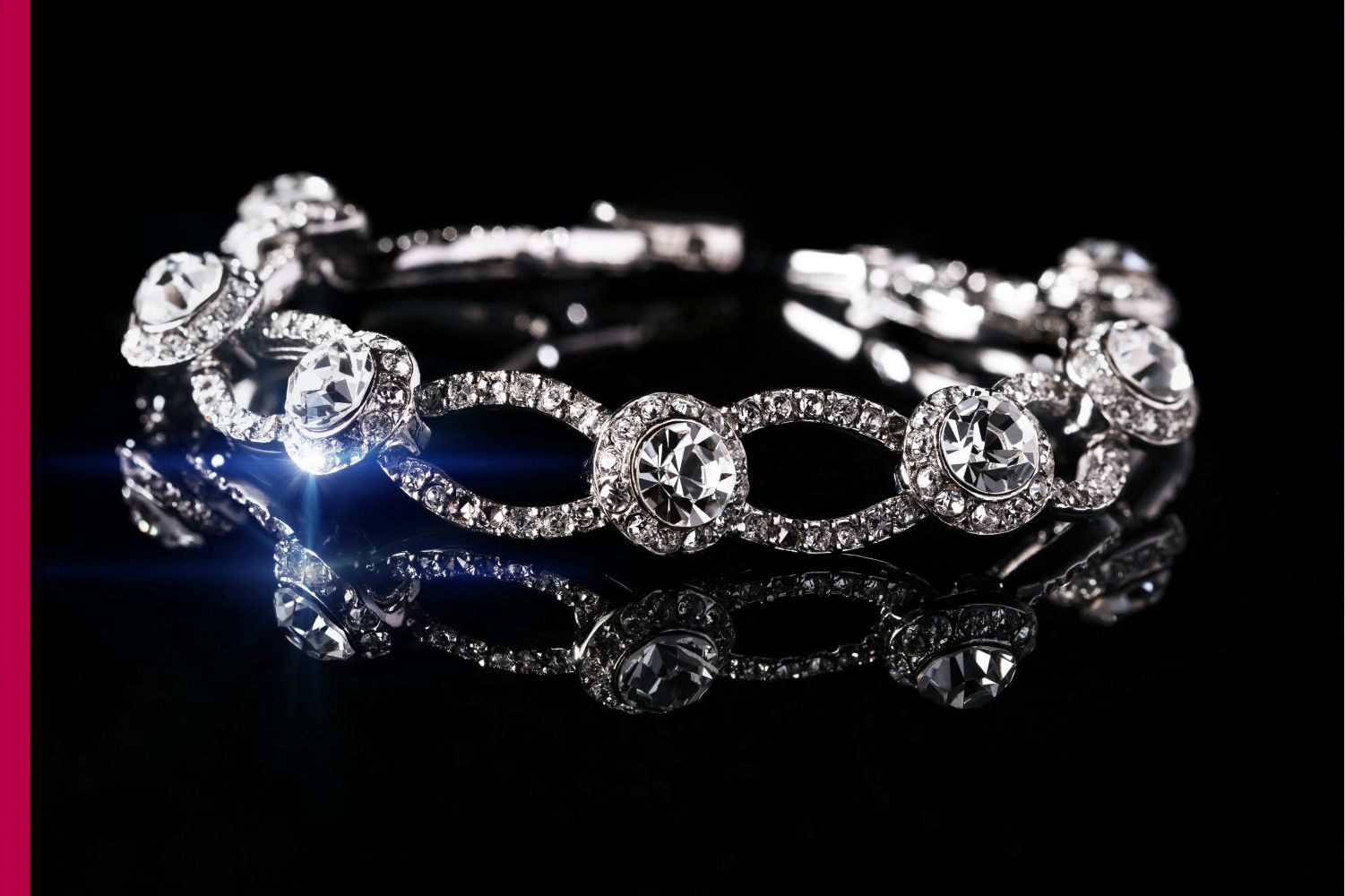
Stones in jewels have fascinated humanity for thousands of years, symbolizing beauty, power, spirituality, and status. From ancient civilizations to modern fashion, gemstones have played a central role in jewelry design, transforming simple metal settings into meaningful works of art. Each stone carries its own story, color, and significance, making jewelry not just decorative, but deeply personal.
Gemstones used in jewelry can be broadly classified into precious and semi-precious stones. Precious stones traditionally include diamonds, rubies, sapphires, and emeralds. These stones are valued for their rarity, durability, and brilliance. Diamonds, known for their unmatched hardness and sparkle, often symbolize love and commitment. Rubies represent passion and strength, sapphires are associated with wisdom and loyalty, while emeralds symbolize growth and harmony.
Semi-precious stones, though more affordable, are equally admired for their beauty and variety. Stones such as amethyst, topaz, garnet, turquoise, jade, and opal offer a wide range of colors and textures. These gemstones allow designers greater creative freedom and enable customers to choose jewelry that reflects their personality and style. In recent years, semi-precious stones have gained popularity for everyday wear and contemporary designs.
The value and appeal of stones in jewels depend on several factors, often referred to as the “four Cs” for gemstones color, clarity, cut, and carat weight. Color is usually the most important factor, as rich, vibrant hues increase a stone’s desirability. Clarity refers to the presence of natural inclusions, while cut determines how well the stone reflects light. Carat weight measures the size of the gemstone, influencing both appearance and price.
Beyond aesthetics, many people believe gemstones carry symbolic and healing properties. For example, amethyst is thought to promote calmness and clarity, while turquoise is associated with protection and positivity. Birthstones, assigned to each month of the year, are especially popular as they are believed to bring luck and good fortune to the wearer. This emotional and cultural significance adds depth to the value of gemstone jewelry.
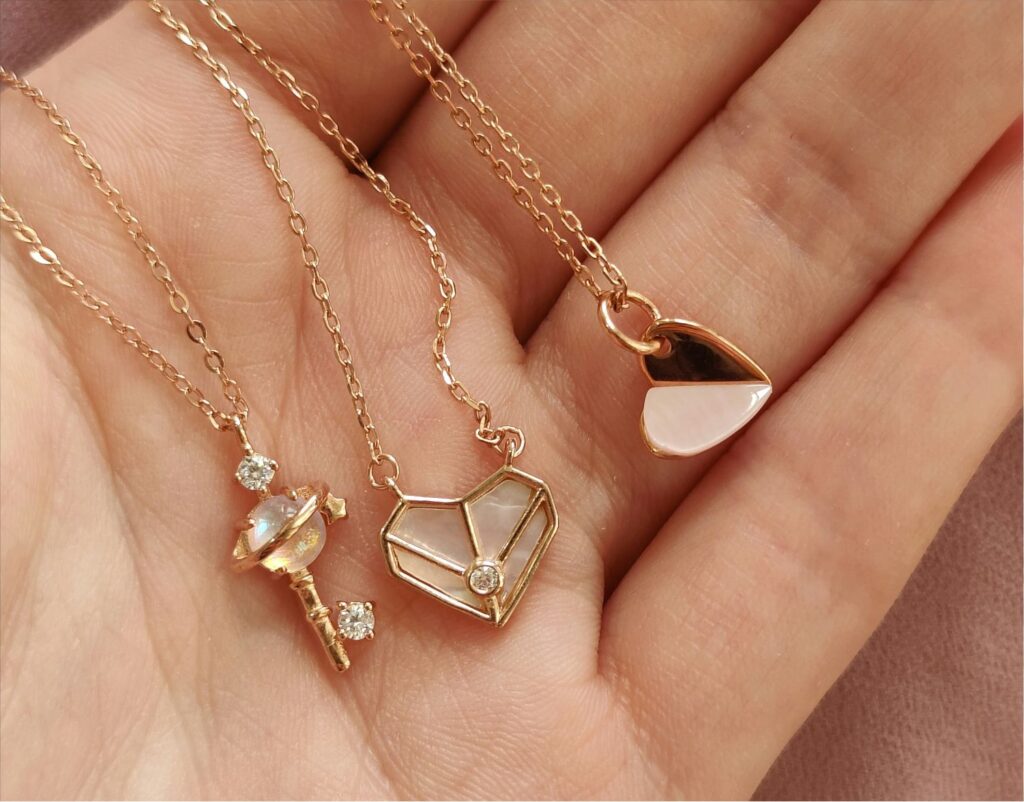
Craftsmanship plays a crucial role in showcasing stones in jewels. Skilled artisans carefully select, cut, and set stones to enhance their natural beauty. The setting not only secures the stone but also influences its overall appearance. Prong settings highlight brilliance, bezel settings offer durability, and pavé settings create a luxurious, sparkling effect. The harmony between stone and metal is what gives jewelry its lasting charm.
In modern times, ethical sourcing and sustainability have become important considerations. Consumers are increasingly aware of where gemstones come from and how they are mined. Lab-grown stones and responsibly sourced gemstones are gaining acceptance, offering beauty and quality while reducing environmental and social impact.
In conclusion, stones in jewels are more than decorative elements—they are expressions of history, emotion, and artistry. Whether precious or semi-precious, natural or lab-grown, gemstones bring life and meaning to jewelry. Their enduring appeal ensures that stone-adorned jewels will continue to shine across generations, carrying stories as brilliant as their sparkle.