



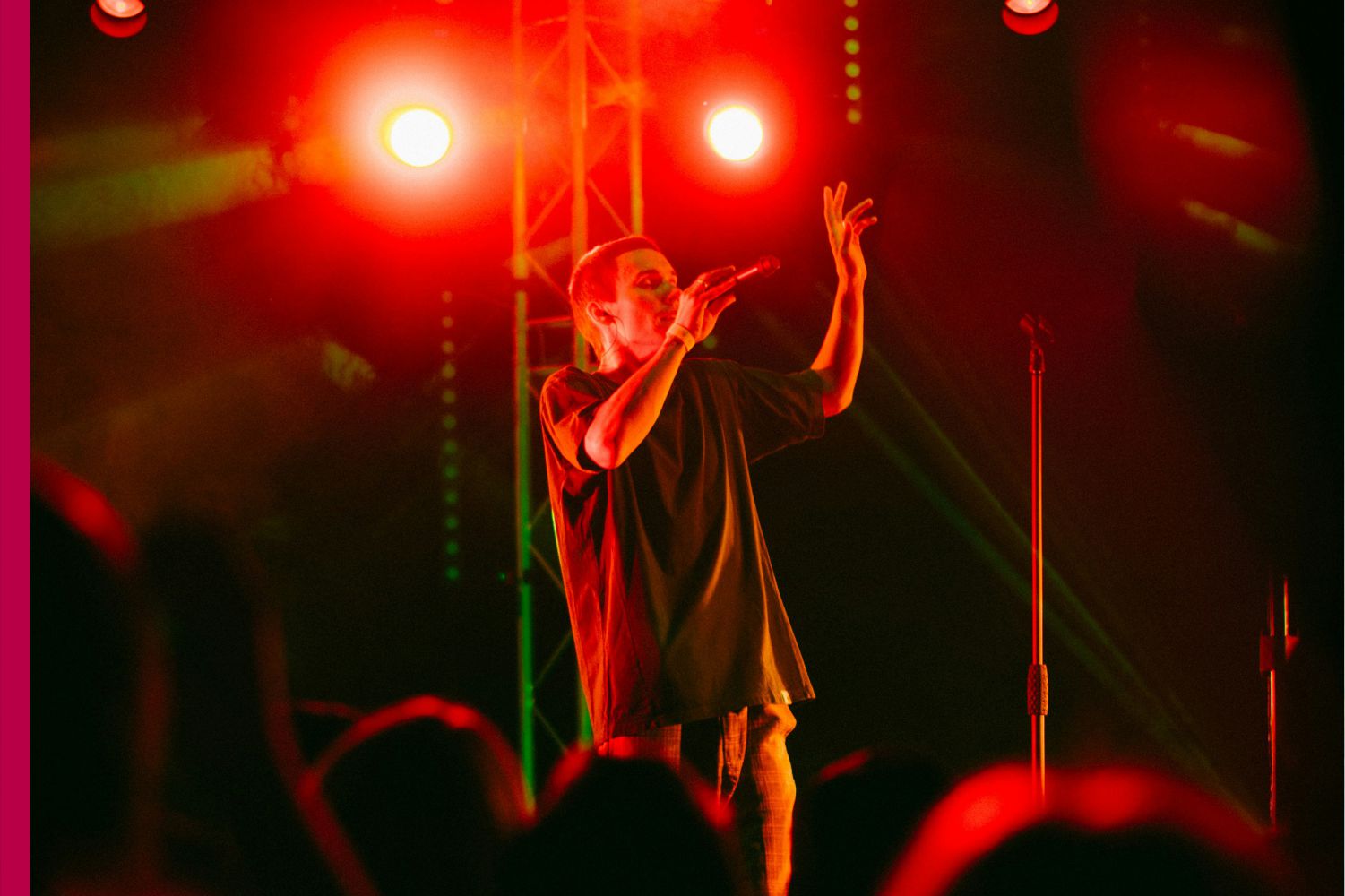
A rap artist is more than just a musician they are storytellers, poets, and cultural commentators who use rhythm and words to reflect real-life experiences. Emerging from the streets of the Bronx in the 1970s as a core element of hip-hop culture, rap has grown into a global movement that influences music, fashion, language, and social thought. Today, rap artists stand at the center of popular culture, shaping trends and giving voice to emotions that often go unheard.
At the heart of rap lies lyricism. A skilled rap artist uses words with precision, turning personal stories, social issues, ambition, and struggle into powerful verses. Unlike many other music genres, rap places heavy emphasis on lyrics and flow the way words ride the beat. Every rhyme scheme, pause, and punchline matters. This lyrical focus allows rap artists to speak openly about poverty, inequality, identity, success, and survival, making their music deeply relatable and authentic.
Rap artists often draw inspiration from their surroundings and life journeys. Many of the genre’s most influential figures began with limited resources, using music as a means of expression and escape. This raw honesty is what connects artists to their audiences. Whether it’s street narratives, motivational anthems, or introspective reflections, rap gives artists the freedom to express reality without filters.
Over the years, the role of the rap artist has evolved. Early pioneers focused on party vibes and social commentary, while later generations expanded the sound to include storytelling, political awareness, and emotional vulnerability. Modern rap artists blend multiple styles, incorporating elements of R&B, pop, rock, and electronic music. This fusion has broadened rap’s appeal, allowing artists to reach global audiences while maintaining their unique identities.
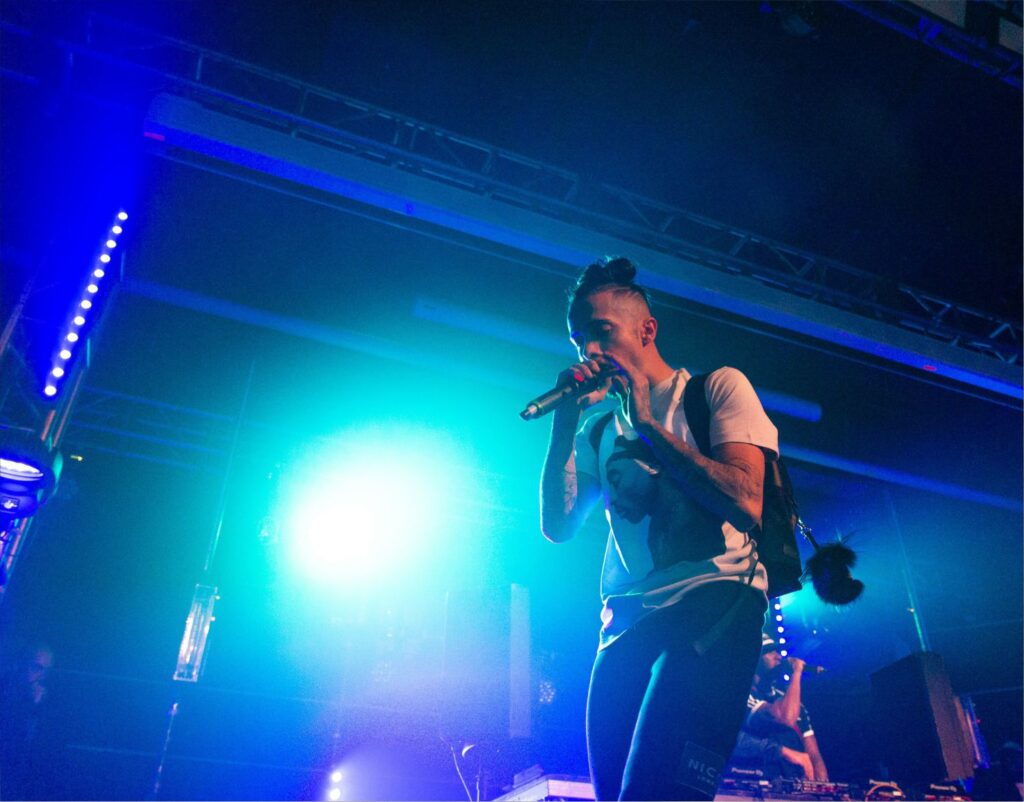
Beyond music, rap artists influence fashion and lifestyle. From baggy clothes and sneakers to luxury brands and custom jewelry, rap culture has reshaped the fashion industry. Many artists turn their personal style into a signature look, inspiring fans worldwide. Their influence extends to slang, social media trends, and even entrepreneurial ventures such as clothing lines, record labels, and tech investments.
The digital era has transformed how rap artists build their careers. Social media platforms, streaming services, and independent distribution allow emerging artists to gain recognition without traditional gatekeepers. A single viral track can launch a career overnight. This accessibility has diversified the rap scene, giving space to voices from different regions, languages, and cultures, including a rapidly growing independent rap movement.
However, being a rap artist also comes with challenges. Intense competition, public scrutiny, and pressure to stay relevant can take a toll on mental health and creativity. Balancing authenticity with commercial success is a constant struggle. Despite this, many artists continue to push boundaries, using their platforms to speak on mental health, social justice, and personal growth.
In essence, a rap artist represents more than music they represent culture, resilience, and expression. Through beats and bars, rap artists capture the pulse of society, turning lived experiences into art that inspires, challenges, and connects people across the world.