








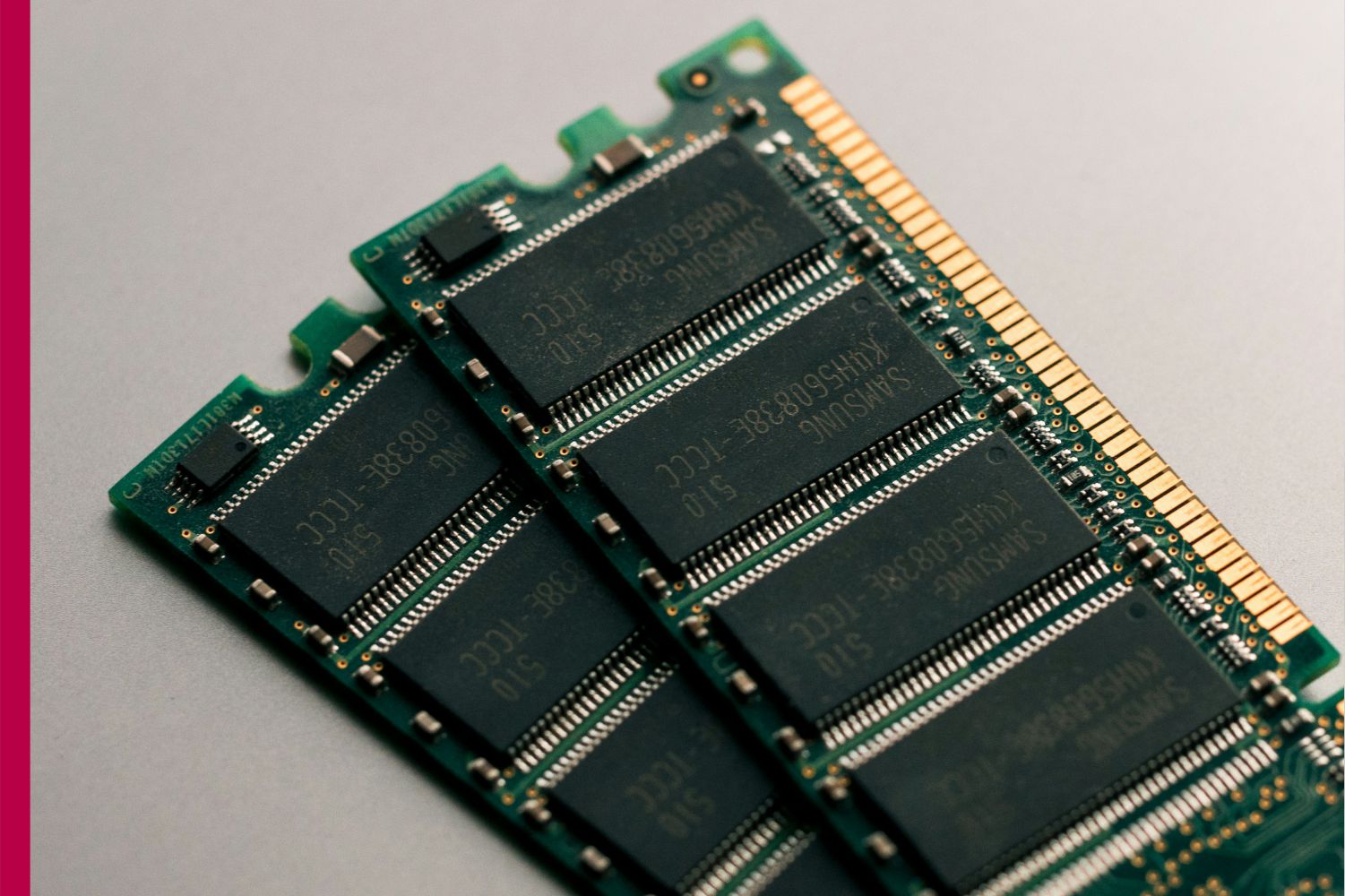
In an era driven by speed, multitasking, and data-heavy applications, Random Access Memory (RAM) has become one of the most critical components of modern computing. A “RAM crisis” refers to situations where insufficient memory availability either at an individual device level or across the global supply chain creates performance issues, rising costs, and operational challenges. Whether experienced by everyday users, businesses, or the tech industry at large, RAM shortages reveal how dependent digital life has become on fast and efficient memory.
At the user level, a RAM crisis is often felt through slow systems, app crashes, and constant performance bottlenecks. Modern operating systems, browsers, and applications are increasingly memory-hungry. A few browser tabs, background apps, video calls, and creative software can quickly exhaust available RAM. When systems run out of memory, they rely on slower storage-based alternatives, leading to lag, overheating, and reduced productivity. For students, professionals, and gamers, insufficient RAM can turn even powerful devices into frustrating tools.
On a broader scale, the RAM crisis also appears in the form of supply shortages and price fluctuations. Global events such as pandemics, geopolitical tensions, manufacturing disruptions, or sudden spikes in demand can affect the production of DRAM and other memory components. Since RAM manufacturing is dominated by a small number of large players, any disruption in fabrication plants can ripple across industries. This impacts not only personal computers but also smartphones, servers, automobiles, and smart devices.
The rise of cloud computing and artificial intelligence has further intensified the RAM crisis. Data centers require massive amounts of high-speed memory to support machine learning models, real-time analytics, and streaming services. As AI workloads grow more complex, demand for advanced memory technologies increases rapidly. This competition for resources often drives prices up and limits availability for consumer markets.

Another contributing factor is software inefficiency. While hardware evolves quickly, software optimization does not always keep pace. Applications are often designed with the assumption that more RAM is available, leading to bloated memory usage. This creates a cycle where users are forced to upgrade hardware sooner than expected, adding to electronic waste and financial strain.
The RAM crisis also raises important sustainability concerns. Frequent hardware upgrades contribute to e-waste and environmental damage. Memory chips are resource-intensive to manufacture, requiring rare materials and high energy consumption. Addressing the crisis therefore involves not only producing more RAM, but also using it more responsibly through better software optimization, longer device lifecycles, and recycling initiatives.
Solutions to the RAM crisis lie in multiple directions. For users, smarter usage habits—such as managing background apps and choosing devices with adequate memory—can ease the strain. For developers, optimizing code and improving memory management can make software more efficient. At the industry level, diversifying supply chains and investing in next-generation memory technologies can reduce future shortages.
In conclusion, the RAM crisis is not just a technical problem it is a reflection of how rapidly digital demands are growing. As computing continues to evolve, balancing performance, availability, and sustainability will be key to ensuring memory remains an enabler of progress rather than a limitation.