




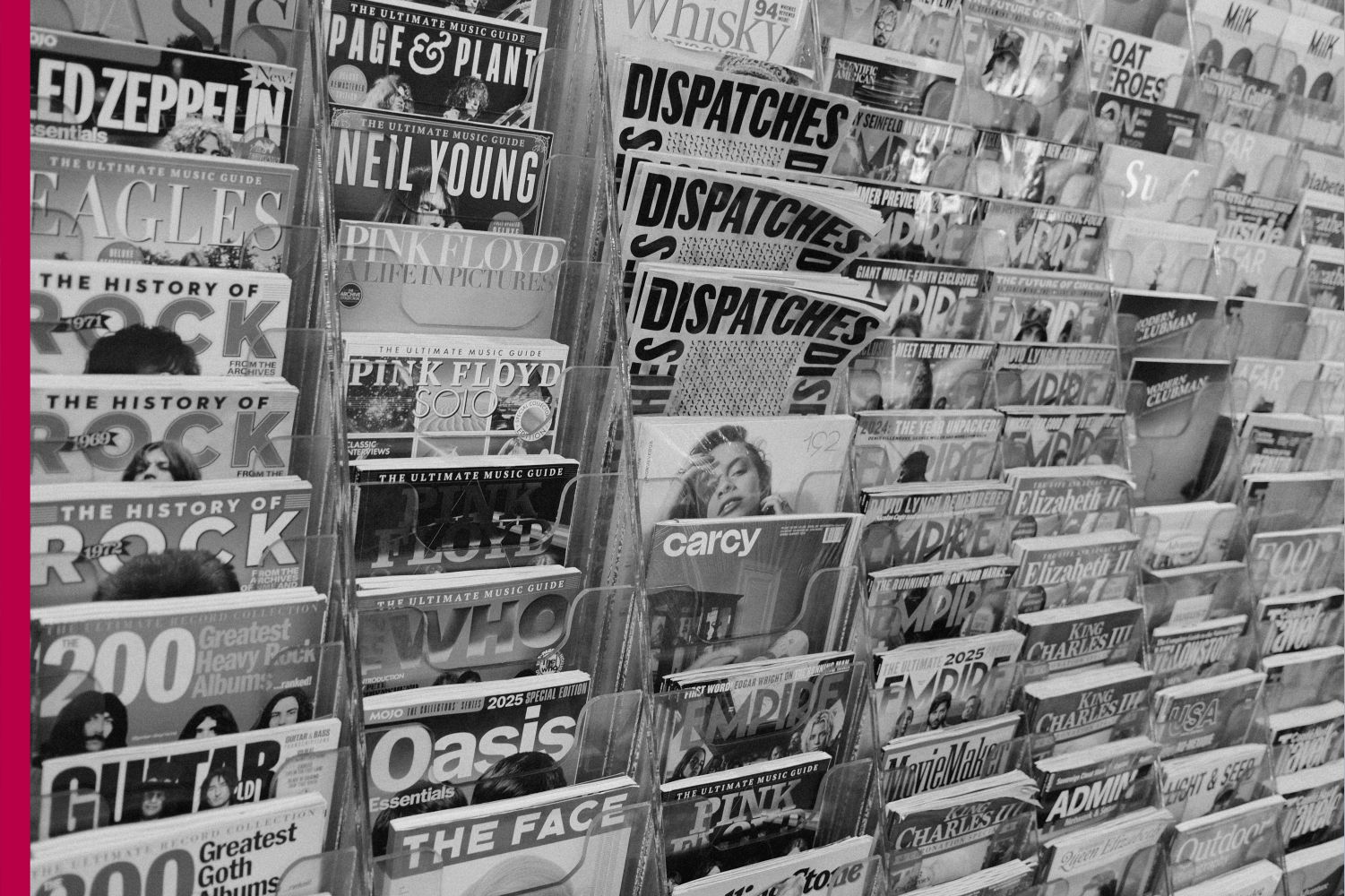
In an era dominated by smartphones, social media, and instant news updates, print media is often viewed as outdated or declining. However, print media still holds a unique and meaningful place in today’s communication landscape. Newspapers, magazines, brochures, flyers, and books continue to serve audiences who value credibility, depth, and tangible experiences that digital platforms often cannot fully replicate.
One of the strongest advantages of print media today is trust. Printed publications are generally perceived as more credible than online sources, which are frequently affected by misinformation and click-driven content. Newspapers and magazines follow structured editorial processes, fact-checking, and accountability, making them reliable sources of information. For readers who seek authenticity and well-researched stories, print remains a preferred medium.
Print media has also adapted to changing times by focusing on quality over quantity. Instead of breaking news which digital platforms handle faster print now emphasizes in-depth analysis, investigative journalism, features, and storytelling. Long-form articles, interviews, and opinion pieces allow readers to engage deeply with content without the distractions of notifications and advertisements commonly found online.
In the marketing and advertising world, print media continues to be highly effective. Printed materials such as brochures, catalogs, business cards, posters, and magazines create a lasting impression. Unlike digital ads that can be skipped or blocked, print ads are physically present and often revisited. High-quality design, textures, and finishes enhance brand perception and convey professionalism, especially for luxury, real estate, education, and local businesses.
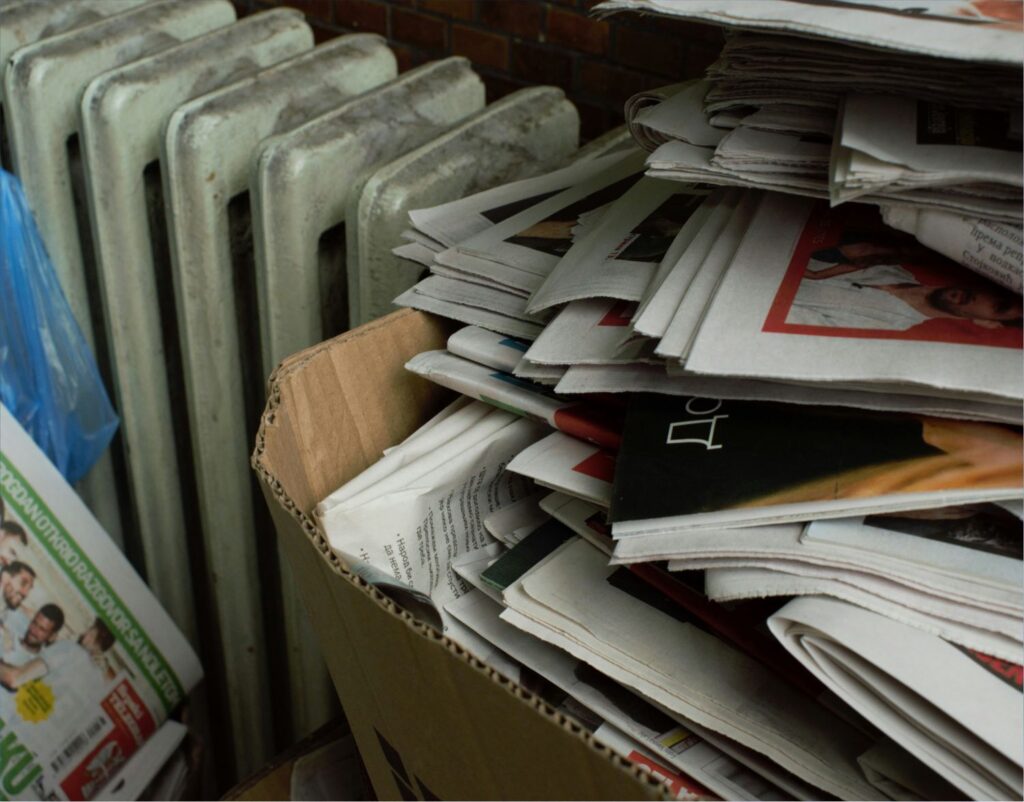
Another reason print media remains relevant is its sensory appeal. Holding a newspaper, flipping through a magazine, or reading a book offers a tactile experience that digital screens cannot match. This physical interaction improves focus and retention, making print especially valuable in education and learning environments. Many readers find print less straining on the eyes and more relaxing compared to prolonged screen time.
Print media has also embraced sustainability and innovation. With growing environmental awareness, publishers are adopting recycled paper, eco-friendly inks, and responsible printing practices. Print-on-demand technology reduces waste by producing only what is needed, making print more efficient and environmentally conscious. These advancements help address concerns about resource usage while keeping print relevant.
Rather than competing with digital media, print now complements it. Many publications use a hybrid approach, combining print editions with digital platforms, QR codes, and augmented reality features. Readers can scan codes in newspapers or magazines to access videos, websites, or social media content, creating an integrated and engaging experience.
In conclusion, print media nowadays is not about survival—it is about transformation. While its role has evolved, its core strengths of credibility, depth, and physical engagement remain intact. In a fast-paced digital world, print media offers a sense of pause, trust, and lasting value. By adapting to modern needs and working alongside digital platforms, print media continues to be a powerful and relevant form of communication today.