


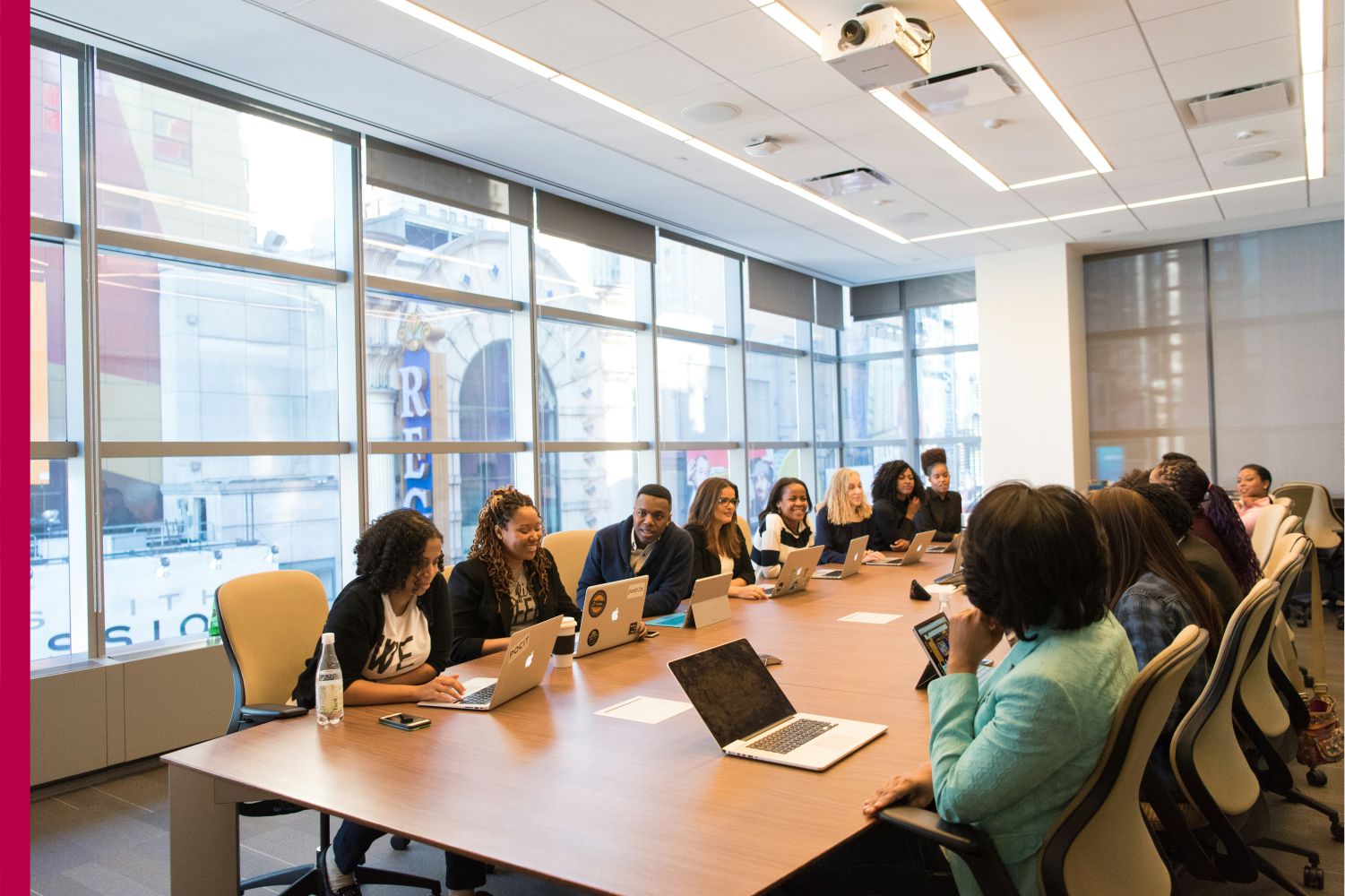
A professional business meeting is a cornerstone of effective communication, collaboration, and decision-making in any organization. Whether conducted in a boardroom, conference hall, or virtual environment, business meetings bring stakeholders together to discuss ideas, review progress, solve problems, and plan future strategies. When managed professionally, meetings can drive productivity and strengthen relationships; when poorly handled, they can waste time and reduce morale.
At its foundation, a professional business meeting begins with clear objectives. Every meeting should have a defined purpose whether it is to present a proposal, evaluate performance, brainstorm solutions, or finalize decisions. Clear goals help participants stay focused and ensure that discussions remain relevant. Preparing and sharing an agenda in advance allows attendees to understand expectations, prepare their inputs, and contribute meaningfully to the conversation.
Preparation and punctuality are essential elements of professionalism. Organizers should gather relevant data, reports, and presentation materials beforehand, ensuring that the meeting runs smoothly without unnecessary delays. Participants, on the other hand, should arrive on time and be ready to engage. Starting and ending meetings as scheduled demonstrates respect for everyone’s time and reinforces a culture of discipline and accountability.
Another key aspect of a professional business meeting is effective communication. Clear, concise, and respectful communication helps avoid misunderstandings and encourages productive dialogue. Active listening plays a vital role participants should pay attention, avoid interruptions, and acknowledge differing viewpoints. Encouraging open discussion while maintaining order allows teams to benefit from diverse perspectives without losing focus.
Professional etiquette also significantly influences the tone and outcome of a meeting. This includes appropriate attire, polite behavior, and mindful body language. In virtual meetings, etiquette extends to muting microphones when not speaking, maintaining eye contact through the camera, and minimizing distractions. Such practices create a respectful environment that supports meaningful engagement.

Decision-making is often a central goal of business meetings. To achieve this effectively, discussions should be guided toward actionable outcomes. Summarizing key points, clarifying responsibilities, and agreeing on next steps help translate ideas into results. Assigning tasks with clear deadlines ensures accountability and keeps projects moving forward after the meeting concludes.
Documentation is another hallmark of a professional meeting. Taking accurate minutes that capture decisions, action items, and important discussions provides a valuable reference for future follow-ups. Sharing these minutes promptly ensures that all participants, including those who could not attend, remain aligned with the agreed outcomes.
Finally, evaluating the effectiveness of meetings helps organizations improve over time. Seeking feedback on meeting structure, duration, and relevance can lead to better planning and more engaging sessions. A well-run professional business meeting not only supports organizational goals but also boosts team morale and trust.
In today’s fast-paced business environment, where time is a valuable resource, professional business meetings are more important than ever. By focusing on preparation, communication, etiquette, and clear outcomes, organizations can transform meetings from routine obligations into powerful tools for growth, collaboration, and success.