




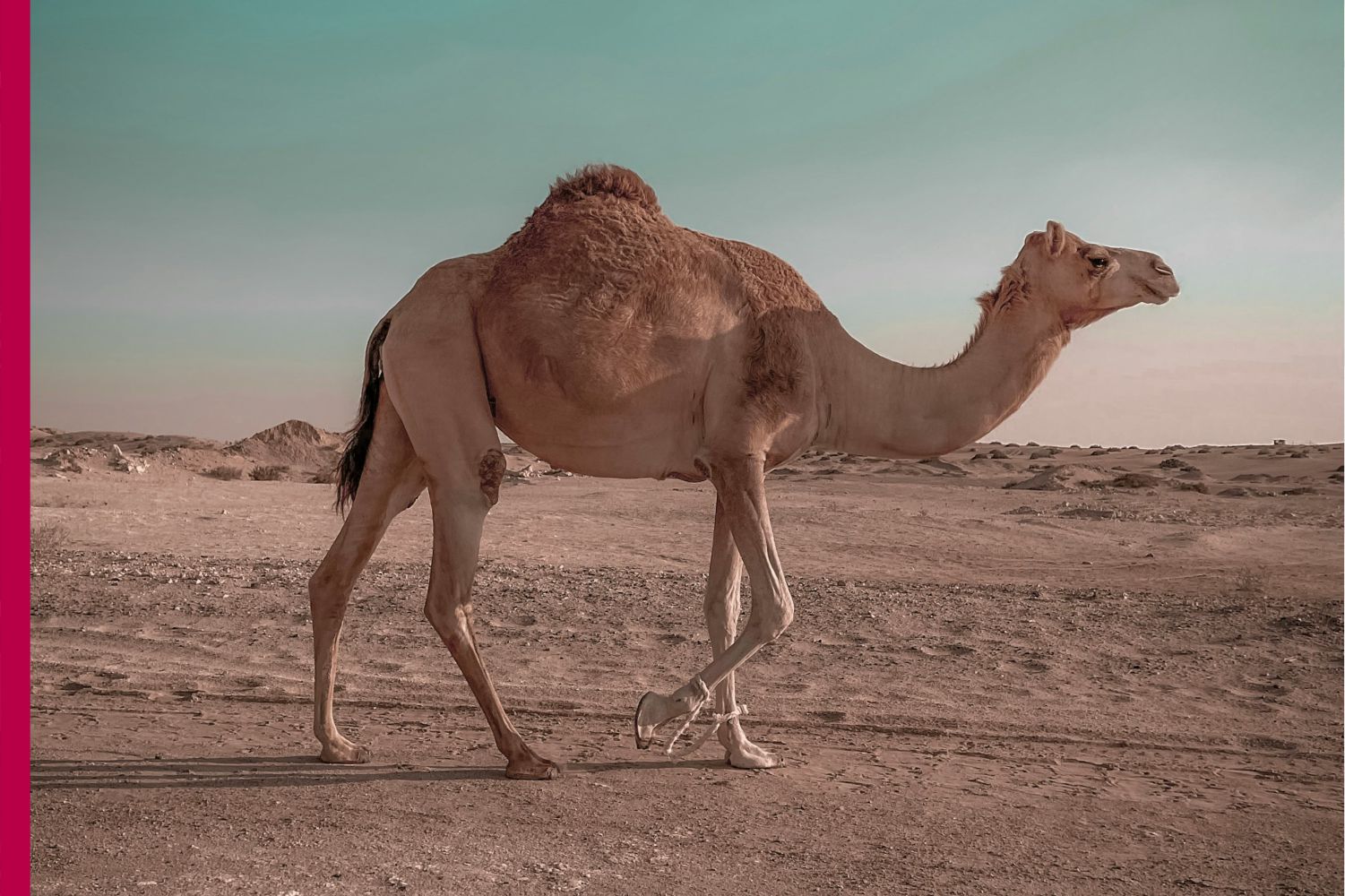
Camels are among the most fascinating animals on Earth, perfectly adapted to survive in some of the harshest environments. Often called the “ships of the desert,” these resilient creatures have played a vital role in human civilization for thousands of years. From transportation and trade to food and culture, camels have been indispensable companions to people living in arid and semi-arid regions.
There are two main species of camels: the dromedary camel, which has a single hump and is commonly found in the Middle East, North Africa, and parts of India, and the Bactrian camel, which has two humps and inhabits the cold deserts of Central Asia. Despite their similar appearance, each species has evolved unique traits to thrive in its specific climate.
One of the most misunderstood features of camels is their humps. Contrary to popular belief, the humps do not store water; instead, they store fat. This fat serves as an energy reserve, allowing camels to go for long periods without food. When fat is metabolized, it produces energy and small amounts of water, helping camels survive during extended journeys across deserts. Additionally, camels can drink up to 40 gallons of water in a single session when it becomes available, replenishing their bodies quickly.
Camels possess several other remarkable adaptations. Their long legs keep their bodies away from the hot ground, reducing heat absorption. Thick fur on the top of their bodies shields them from intense sunlight, while thinner fur underneath allows heat to escape. Their wide, padded feet prevent them from sinking into soft sand, making desert travel easier. Camels also have long eyelashes and closable nostrils that protect their eyes and airways during sandstorms.
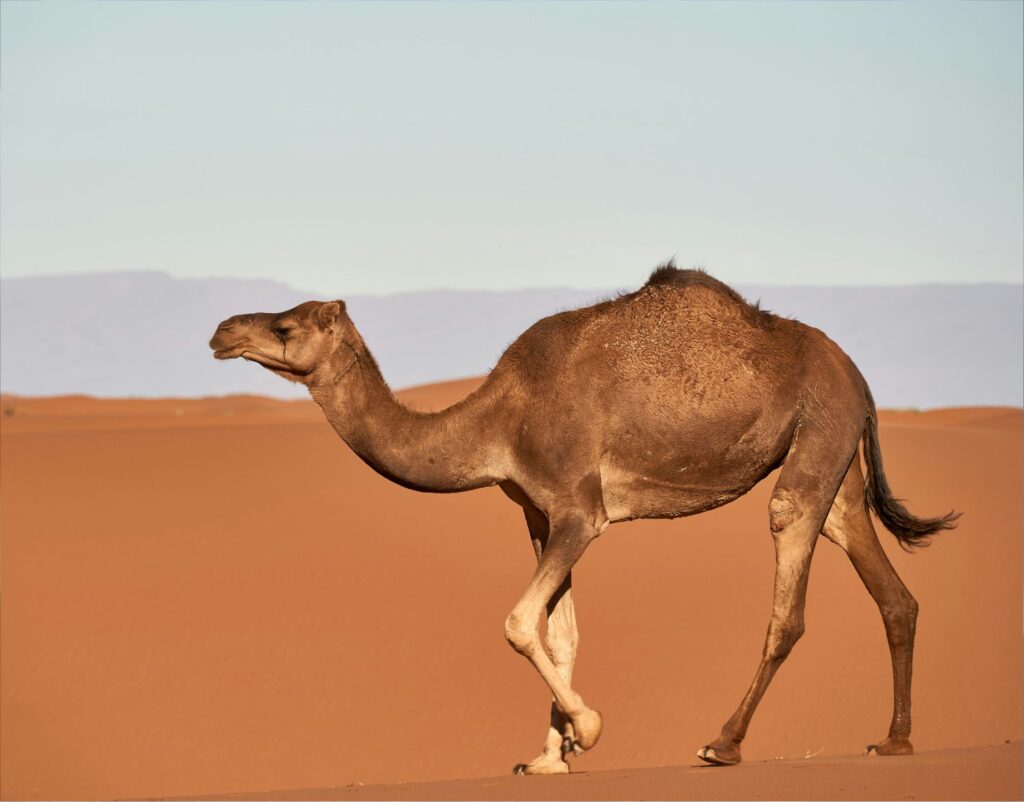
Beyond their physical traits, camels are known for their endurance and strength. They can carry heavy loads over long distances, which made them essential for ancient trade routes such as the Silk Road. Caravans of camels transported spices, silk, gold, and other valuable goods across continents, connecting cultures and economies long before modern transportation existed.
Camels also hold deep cultural and economic significance. In many desert communities, camels provide milk, meat, wool, and leather. Camel milk is highly nutritious, rich in vitamins, minerals, and immune-boosting properties, and is still a staple food in several regions. Festivals, races, and beauty contests centered around camels highlight their importance in local traditions and heritage.
In modern times, camels continue to be relevant. They are used in tourism, agriculture, and even scientific research, as their unique physiology offers insights into survival under extreme conditions. As climate change increases desertification in many parts of the world, camels may become even more valuable as sustainable livestock suited to dry environments.
In conclusion, camels are extraordinary animals that embody resilience, adaptability, and endurance. Their ability to survive where few others can, combined with their long-standing partnership with humans, makes them truly remarkable creatures deserving of admiration and respect.