








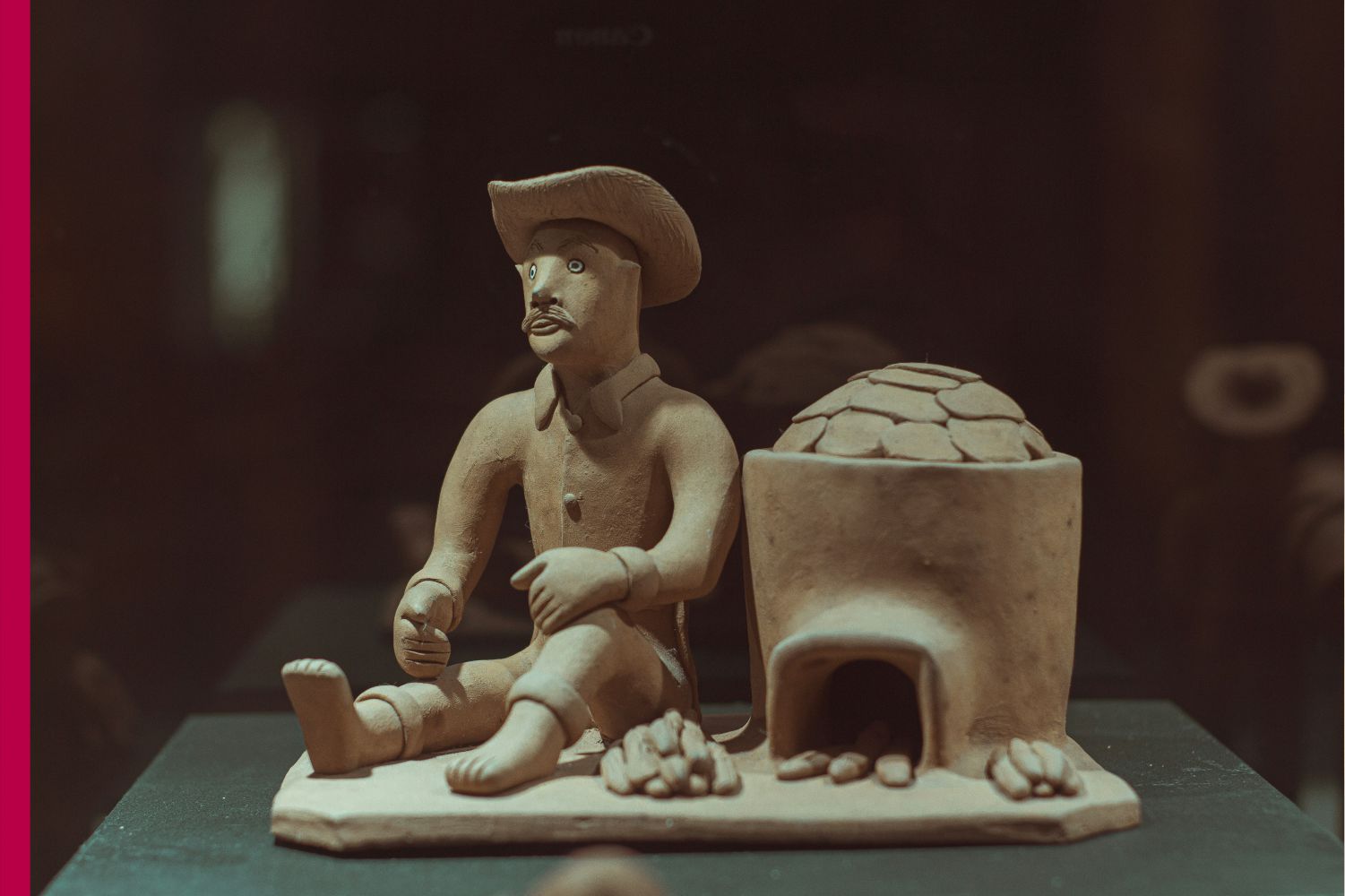
Clay modeling is one of the oldest and most expressive forms of art, allowing creators to transform simple earth-based material into meaningful shapes, figures, and functional objects. From ancient civilizations to modern classrooms and art studios, clay modeling has played a vital role in human creativity, cultural expression, and skill development. Its tactile nature and limitless possibilities make it a timeless craft enjoyed by artists, hobbyists, and learners of all ages.
Historically, clay modeling dates back thousands of years. Early humans used clay to create utensils, storage vessels, idols, and decorative items. Archaeological discoveries reveal clay sculptures and pottery from ancient Mesopotamia, Egypt, the Indus Valley, and China, highlighting its importance in daily life and religious practices. Clay was easily available, flexible when wet, and durable once fired, making it an ideal medium for both artistic and practical purposes.
One of the most appealing aspects of clay modeling is its versatility. Different types of clay—such as earthen clay, ceramic clay, polymer clay, and air-dry clay serve different purposes. Traditional ceramic clay requires kiln firing to harden, while polymer and air-dry clays are popular for home crafts and educational activities due to their convenience. Artists can mold clay by hand or use tools to carve fine details, textures, and patterns, allowing for endless creative exploration.
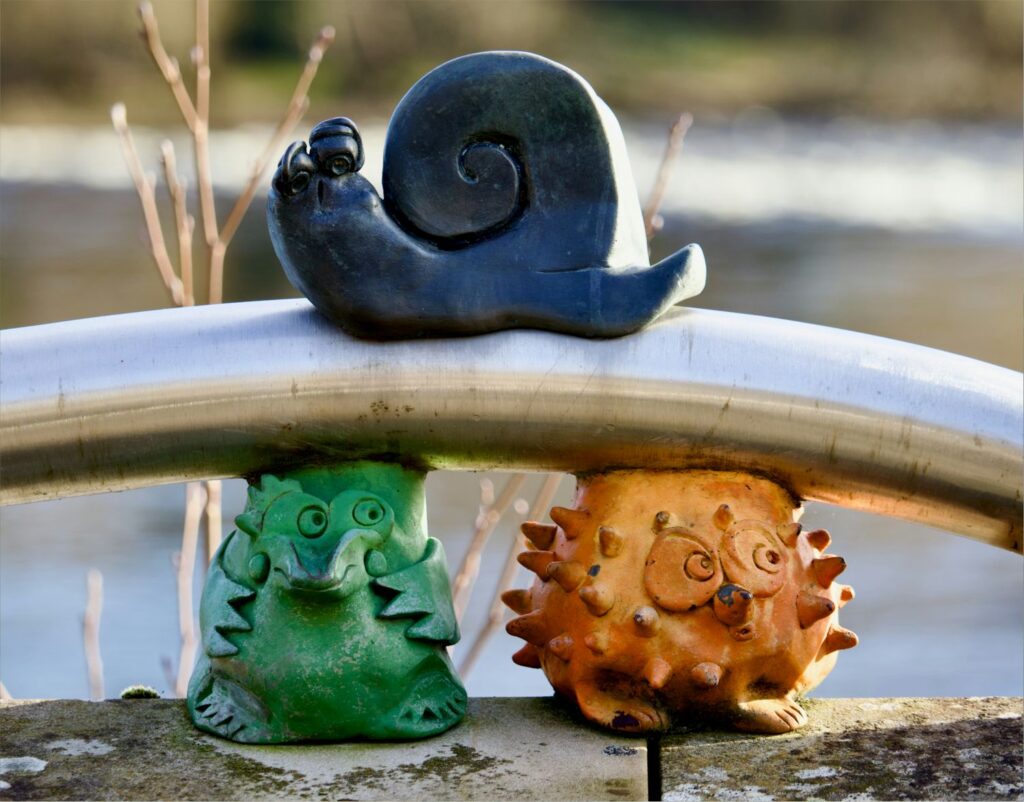
Clay modeling offers more than artistic satisfaction; it also provides significant mental and physical benefits. Working with clay improves hand-eye coordination, fine motor skills, and spatial awareness. The repetitive, hands-on process has a calming effect, helping reduce stress and improve focus. For children, clay modeling enhances creativity, patience, and problem-solving skills, while for adults, it serves as a therapeutic and mindful activity that encourages self-expression.
In the modern world, clay modeling is widely used in education, animation, and design. Schools incorporate clay activities to support creative learning, while designers and sculptors use clay to create prototypes and models before final production. In animation and filmmaking, clay modeling forms the foundation of claymation, where characters are shaped and moved frame by frame to bring stories to life. This technique showcases the dynamic potential of clay as a storytelling medium.
Culturally, clay models often reflect traditions, beliefs, and regional identities. In many parts of the world, clay figurines and idols are crafted during festivals and rituals, symbolizing devotion and community heritage. These creations connect generations, preserving cultural stories and craftsmanship through hands-on practice.
Ultimately, clay modeling is more than just an art form—it is a bridge between imagination and reality. With nothing more than clay and creativity, artists can shape emotions, ideas, and stories into tangible forms. Whether used for learning, relaxation, or professional art, clay modeling continues to inspire people to create, explore, and connect with the simple joy of making something by hand.