


Origami is the traditional art of transforming a simple sheet of paper into intricate shapes through folding alone. Originating in Japan, the word “origami” comes from two Japanese words: ori meaning “to fold” and kami meaning “paper.” What makes origami truly fascinating is its simplicity without scissors, glue, or extra materials, artists create animals, flowers, geometric forms, and even complex structures using just paper and imagination.
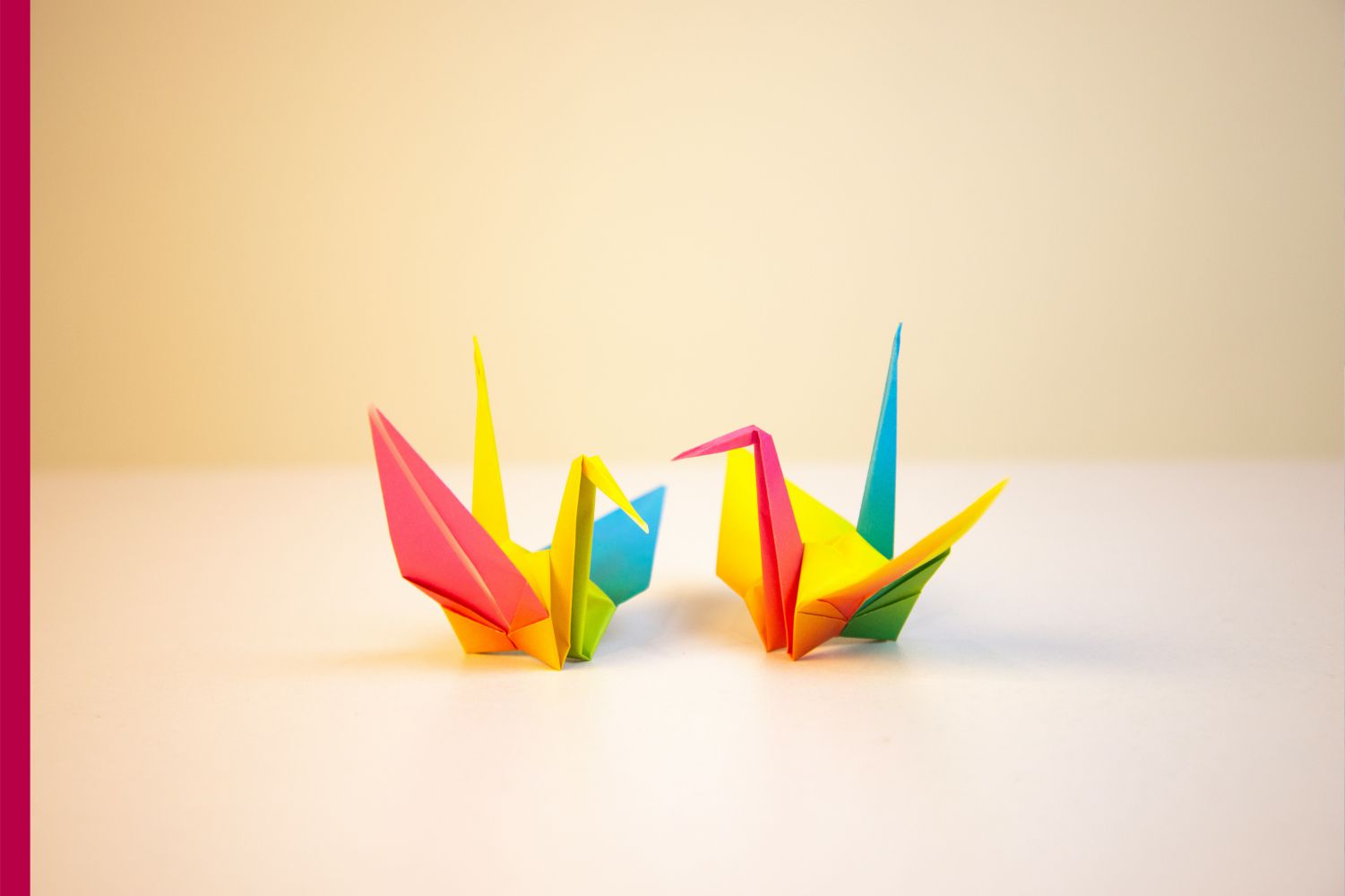
The history of origami is closely tied to the history of paper itself. As paper became more accessible, folding techniques evolved from ceremonial and decorative uses into a popular recreational and artistic practice. One of the most iconic origami figures is the paper crane, which symbolizes peace, hope, and longevity in Japanese culture. Over time, origami spread across the world, influencing education, art, and even modern science.
Origami is not only an art form but also a powerful educational tool. It helps develop fine motor skills, concentration, and spatial awareness, especially in children. Following folding instructions encourages patience and logical thinking, while experimenting with new designs promotes creativity and problem-solving. Many teachers use origami in classrooms to make learning mathematics and geometry more engaging, as folding patterns naturally demonstrate concepts such as symmetry, angles, and proportions.
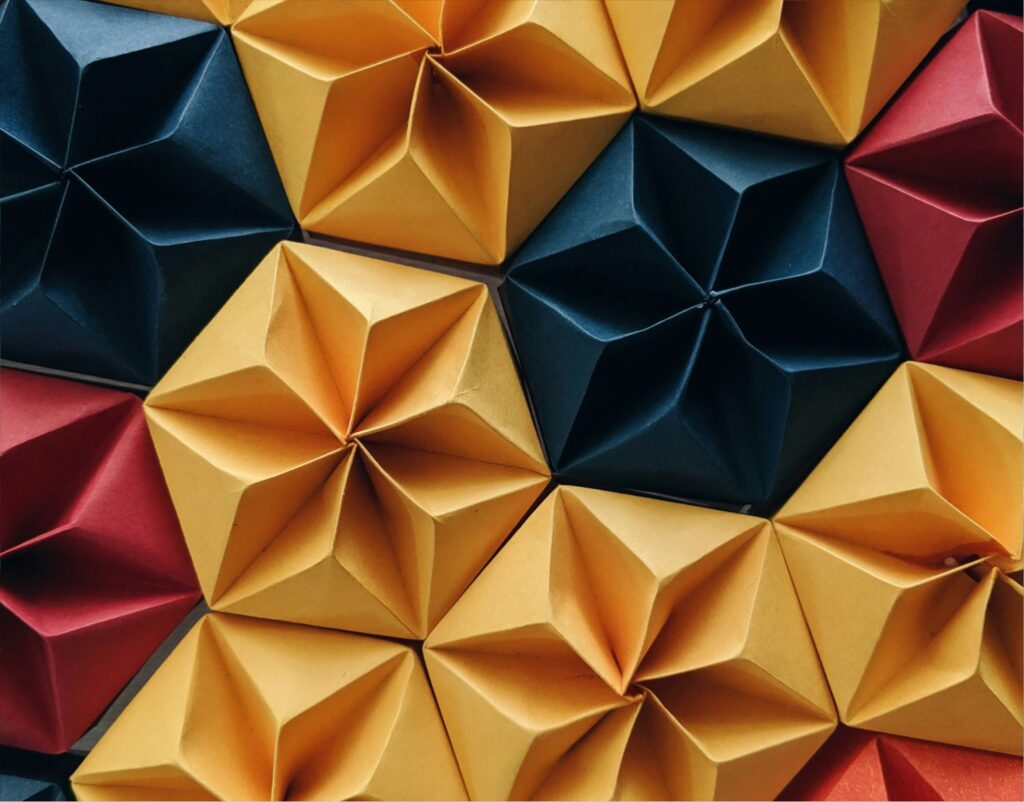
There are many styles and levels of origami, ranging from simple beginner models to highly complex creations. Traditional origami focuses on classic designs made from a single square sheet of paper. Modular origami involves assembling multiple folded units into a larger structure, such as stars or polyhedrons. Advanced origami artists create lifelike models with hundreds of folds, showcasing remarkable detail and precision. Each style highlights the versatility of paper as a medium.
In today’s world, origami has extended beyond art and education into science and technology. Engineers and researchers use origami principles to design foldable structures in fields such as architecture, medical devices, and space exploration. Foldable solar panels, deployable shelters, and even stents used in medical procedures are inspired by origami techniques. This connection between ancient art and modern innovation demonstrates the timeless relevance of paper folding.
Origami also offers emotional and mental benefits. The repetitive and focused nature of folding can be calming, making origami a form of mindful practice. Many people turn to origami as a hobby to reduce stress, improve focus, and enjoy a sense of accomplishment. Creating something beautiful from a plain sheet of paper can be deeply satisfying and meditative.
In the age of digital entertainment, origami continues to thrive as a hands-on, screen-free activity. Online tutorials, books, and communities make it easy for beginners to learn and for experienced folders to share their work. Whether practiced alone or shared with others, origami remains a meaningful way to connect creativity, culture, and craftsmanship.
In conclusion, origami is much more than paper folding it is a harmonious blend of art, learning, and innovation. From traditional cranes to cutting-edge scientific applications, origami proves that even the simplest materials can create extraordinary possibilities.