


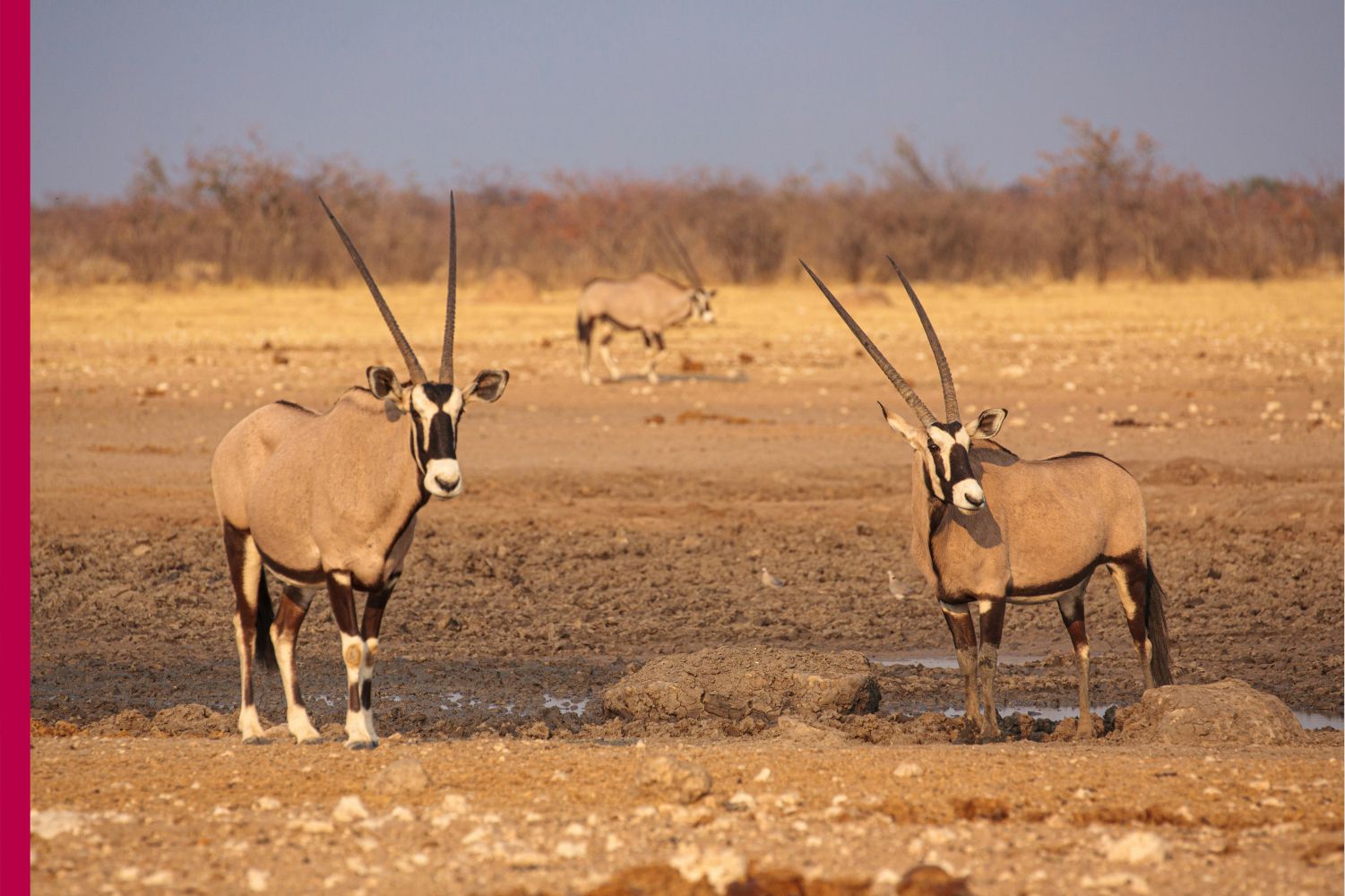
Wildlife photography is a powerful art form that brings viewers closer to the natural world. It goes beyond simply taking pictures of animals; it tells stories of survival, behavior, and the delicate balance of ecosystems. From a soaring eagle to a stealthy tiger hidden in tall grass, wildlife photography captures moments that most people may never witness in person. It is a blend of patience, technical skill, and deep respect for nature.
At the heart of wildlife photography lies observation. Successful wildlife photographers spend hours, sometimes days, studying animal behavior and understanding their habitats. Knowing when an animal is likely to hunt, rest, or interact with others helps photographers anticipate the perfect moment. This patience is often rewarded with images that feel alive, revealing emotion, movement, and raw beauty in a single frame.
Equipment plays an important role in wildlife photography, but it is not the only factor that defines success. Telephoto lenses are commonly used to capture animals from a safe distance without disturbing them. Cameras with fast autofocus and high burst rates help freeze action, especially when photographing birds in flight or predators on the move. However, even the most advanced gear cannot replace good lighting, composition, and timing. Many iconic wildlife photographs are the result of being in the right place at the right time.
Lighting is a critical element in wildlife photography. Early mornings and late evenings, often referred to as the “golden hours,” provide soft, warm light that enhances textures and colors. Natural light helps create mood and depth, turning a simple animal portrait into a dramatic visual story. Backgrounds are equally important—clean, uncluttered surroundings help the subject stand out and keep the viewer’s focus on the animal.
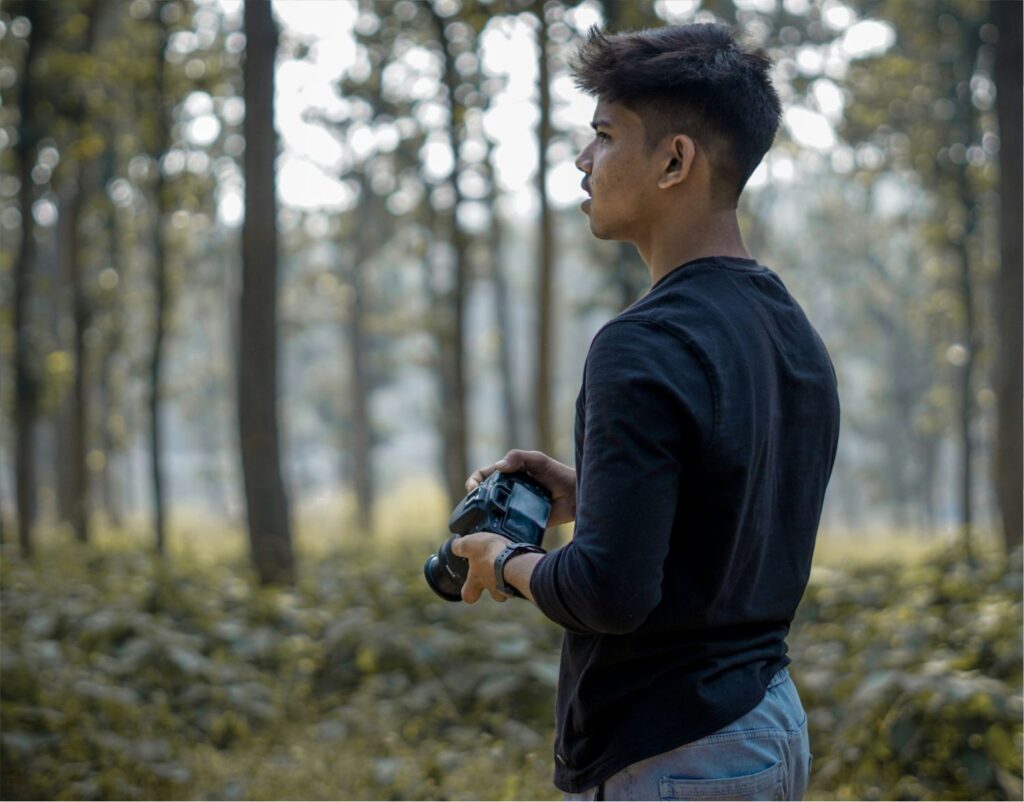
Ethics and conservation are central to wildlife photography. Responsible photographers prioritize the well-being of animals over getting a shot. This means maintaining a safe distance, avoiding baiting or disturbing wildlife, and respecting protected areas and local regulations. Many wildlife photographers use their work to raise awareness about endangered species, habitat loss, and environmental protection. In this way, photography becomes a tool for conservation and education.
Wildlife photography is also a deeply rewarding personal journey. Spending time in nature fosters patience, mindfulness, and a strong connection to the environment. Each outing offers new lessons, whether it’s learning to read animal tracks, understanding weather patterns, or adapting to unpredictable conditions. Failures are common, but they are part of the learning process that sharpens both skill and perspective.
In the digital age, wildlife photography has gained even more impact through social media, exhibitions, and online platforms. A single powerful image can inspire curiosity, empathy, and action across the world. It allows people who may never visit a forest, desert, or ocean to appreciate the beauty and importance of wildlife.
In conclusion, wildlife photography is a captivating blend of art, adventure, and responsibility. By capturing nature’s untamed beauty, photographers not only create stunning visuals but also help protect the very subjects they admire.