




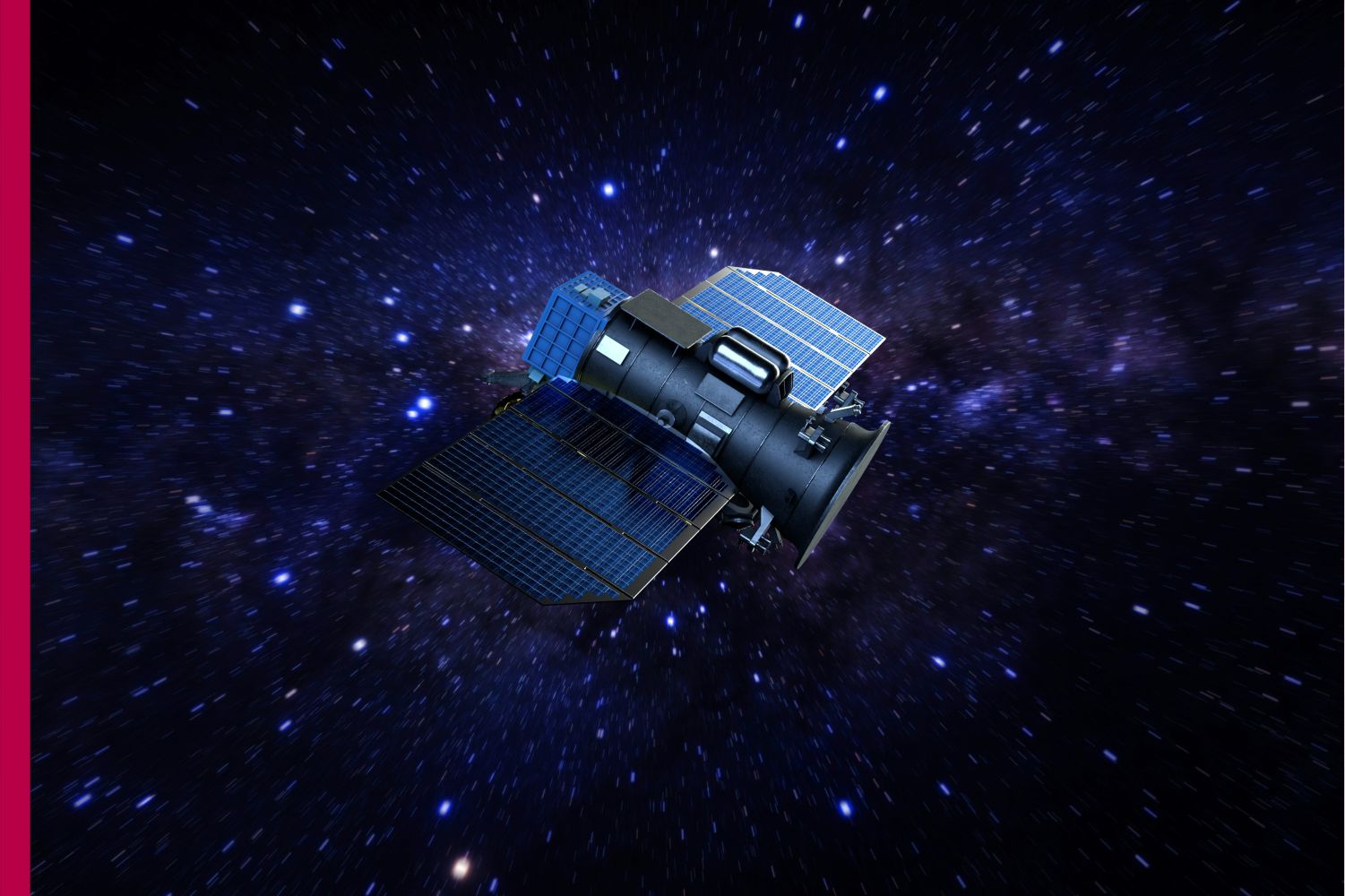
Satellites are among the most remarkable technological achievements of modern science. Orbiting high above the Earth, these silent machines play a vital role in communication, navigation, weather forecasting, research, and national security. Although they are rarely seen, satellites influence everyday life in countless ways, making the modern world more connected, informed, and efficient.
A satellite is an object that orbits a planet or celestial body. Natural satellites, such as the Moon, exist naturally, while artificial satellites are man-made devices launched into space for specific purposes. Since the launch of Sputnik 1 in 1957, thousands of artificial satellites have been placed into orbit, each designed to perform specialized tasks. Depending on their function, satellites may orbit the Earth at different altitudes, including low Earth orbit (LEO), medium Earth orbit (MEO), and geostationary orbit (GEO).
One of the most common and impactful uses of satellites is communication. Communication satellites enable television broadcasting, mobile phone connectivity, radio transmission, and internet services across vast distances. They are especially crucial in remote and rural areas where ground-based infrastructure is limited. By relaying signals between different points on Earth, satellites ensure seamless global communication, supporting businesses, governments, and individuals alike.
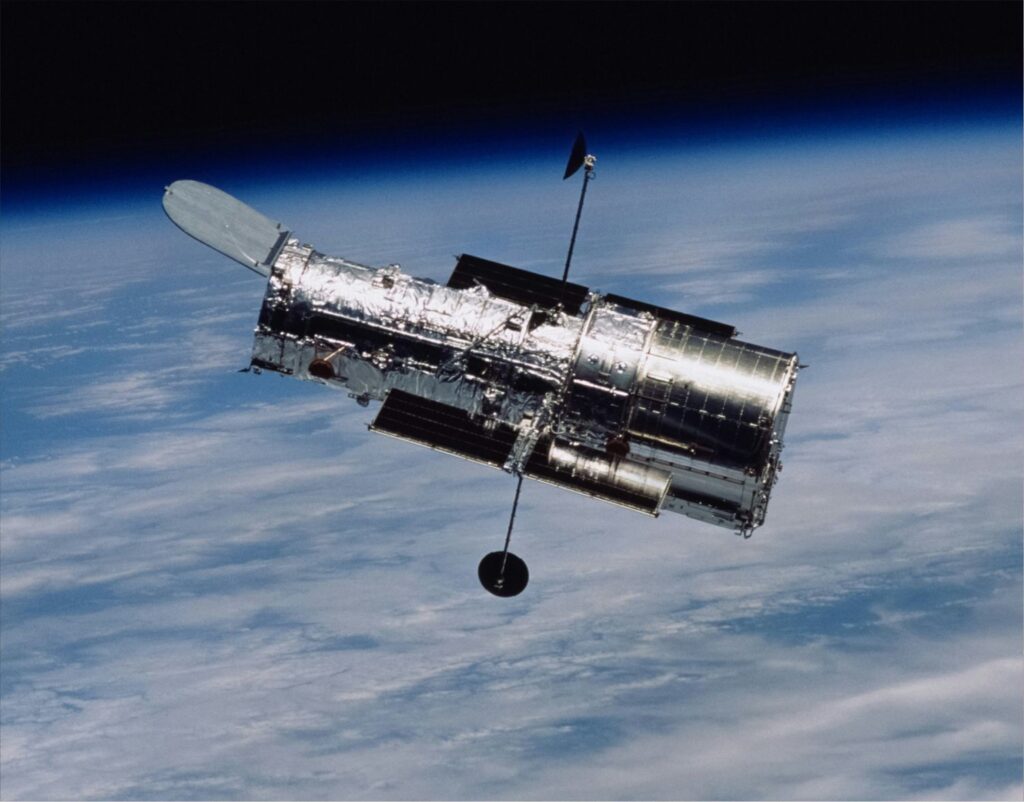
Satellites also play a critical role in navigation and positioning systems. Global Navigation Satellite Systems (GNSS), such as GPS, help users determine precise locations anywhere on the planet. These systems are essential for transportation, aviation, maritime operations, and even smartphone applications like maps and ride-sharing services. Without satellites, modern navigation and logistics would be far less accurate and efficient.
Weather and environmental monitoring is another major contribution of satellite technology. Meteorological satellites observe cloud patterns, temperature changes, and atmospheric conditions in real time. This data helps scientists predict weather events such as storms, cyclones, and heatwaves, enabling early warnings that save lives and reduce property damage. Environmental satellites also track deforestation, glacier melting, ocean pollution, and climate change, providing valuable insights for sustainable development.
Satellites are widely used in scientific research and space exploration. They help astronomers study distant stars, planets, and galaxies, expanding our understanding of the universe. Earth observation satellites support agricultural planning, disaster management, and urban development by providing high-resolution images and data analysis. Governments and defense organizations also rely on satellites for surveillance, reconnaissance, and secure communication.
In conclusion, satellites are an essential backbone of modern civilization. From enabling global communication and accurate navigation to monitoring the environment and advancing scientific knowledge, their contributions are immense. As technology continues to evolve, satellites are becoming smaller, smarter, and more efficient, promising even greater benefits in the future. Though they remain far above us, satellites continue to shape life on Earth in powerful and meaningful ways.