





Glass art is a captivating form of creative expression that transforms a fragile material into enduring works of beauty. Known for its brilliance, transparency, and ability to interact with light, glass has been used by artists for centuries to create both functional and decorative pieces. From ancient vessels to contemporary installations, glass art continues to evolve while retaining its magical appeal.
The history of glass art dates back thousands of years, with early examples found in ancient Egypt, Mesopotamia, and the Roman Empire. Initially, glass objects were simple and functional, such as beads, containers, and ornaments. Over time, artisans developed techniques like glassblowing, casting, and staining, allowing for greater creativity and complexity. These innovations laid the foundation for the diverse glass art forms we see today.
One of the most fascinating aspects of glass art is the process itself. Glass is heated to extremely high temperatures until it becomes molten and malleable. At this stage, artists shape it using tools, molds, or blowing techniques. The transformation requires precision, timing, and experience, as molten glass cools and hardens quickly. This delicate balance between control and unpredictability makes glass art both challenging and rewarding.
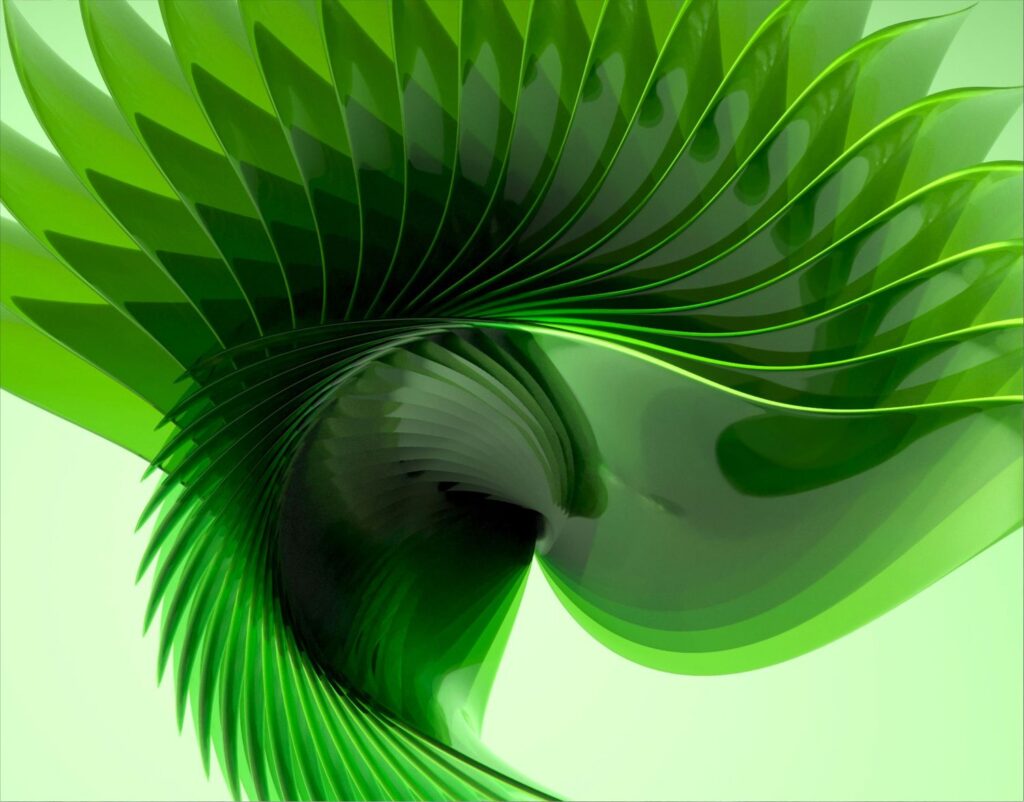
Glass art is admired for its unique interaction with light. Transparent and translucent glass captures, reflects, and refracts light, creating dynamic visual effects that change with viewing angles and lighting conditions. Colors appear vibrant and luminous, giving glass artworks a sense of movement and life. This quality makes glass art especially popular in architectural design, sculptures, and installations.
There are many forms of glass art, ranging from functional pieces like vases, bowls, and lamps to purely artistic sculptures and panels. Stained glass is one of the most well-known forms, often associated with churches and historical buildings. Modern glass artists push boundaries by experimenting with abstract forms, mixed media, and large-scale installations that challenge traditional definitions of art.
Glass art also holds cultural and emotional significance. In many cultures, glass objects symbolize elegance, clarity, and transformation. Handmade glass pieces often carry the personal touch of the artist, making each creation unique. Collectors value glass art for its craftsmanship and individuality, while artists see it as a medium that allows endless exploration.
In recent years, glass art has gained renewed attention through contemporary exhibitions and educational programs. Advances in technology and materials have expanded creative possibilities, allowing artists to innovate while preserving traditional techniques. Sustainability has also become an important consideration, with some artists using recycled glass to reduce environmental impact.
In conclusion, glass art is a remarkable blend of craftsmanship, creativity, and science. Its ability to turn a delicate material into lasting beauty continues to inspire both artists and audiences. By shaping light, color, and form, glass art stands as a timeless testament to human imagination and artistic skill.