





Acid rain is a serious environmental problem that occurs when harmful gases released into the atmosphere combine with water vapor and fall back to the Earth as acidic precipitation. This precipitation can take the form of rain, snow, sleet, fog, or even dry particles. Although acid rain is not always visible, its impact on the environment, human health, and ecosystems is significant and long-lasting.
The main causes of acid rain are emissions of sulfur dioxide and nitrogen oxides. These gases are primarily released from burning fossil fuels in power plants, factories, and vehicles. When these pollutants rise into the atmosphere, they react with oxygen, water, and other chemicals to form sulfuric and nitric acids. Winds can carry these acidic compounds over long distances, meaning acid rain can affect regions far from the original source of pollution.
One of the most harmful effects of acid rain is its impact on natural ecosystems. Forests are especially vulnerable, as acid rain damages leaves, weakens trees, and reduces their ability to absorb nutrients from the soil. Over time, this makes trees more susceptible to diseases, pests, and extreme weather. In aquatic ecosystems, acid rain lowers the pH of lakes and rivers, making the water toxic for fish and other organisms. Many species cannot survive in acidic conditions, leading to a decline in biodiversity.
Soil quality is also affected by acid rain. Increased acidity washes away essential nutrients like calcium and magnesium, which are vital for plant growth. At the same time, it releases harmful metals such as aluminum into the soil, which can be absorbed by plant roots and disrupt growth. This imbalance harms agriculture and natural vegetation alike.
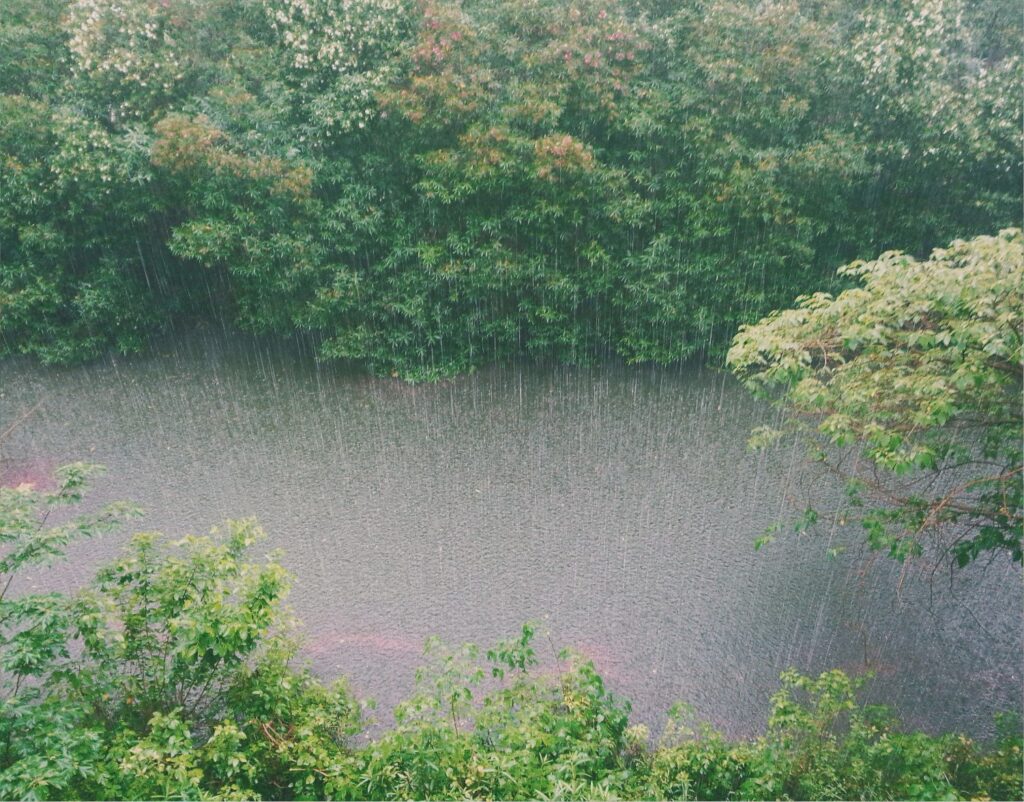
Acid rain also damages buildings, monuments, and infrastructure. Structures made of limestone, marble, and metal are particularly at risk. Over time, acid rain corrodes these materials, causing visible erosion and weakening historical monuments and public structures. This leads to increased maintenance costs and the loss of cultural heritage.
Human health can be indirectly affected by acid rain. While acid rain itself does not usually harm people directly, the pollutants that cause it can lead to respiratory problems. Sulfur dioxide and nitrogen oxides contribute to air pollution, which can trigger asthma, bronchitis, and other lung conditions. Fine particles formed from these pollutants can penetrate deep into the lungs, posing serious health risks.
Preventing acid rain requires collective effort and sustainable practices. Reducing fossil fuel consumption, using cleaner energy sources, improving vehicle emission standards, and promoting energy efficiency can significantly lower harmful emissions. Governments, industries, and individuals all play an important role in addressing this issue.
In conclusion, acid rain is a silent but destructive environmental threat that affects ecosystems, infrastructure, and human health. Understanding its causes and consequences is the first step toward prevention. By adopting cleaner technologies and responsible environmental practices, we can reduce acid rain and protect the planet for future generations.