



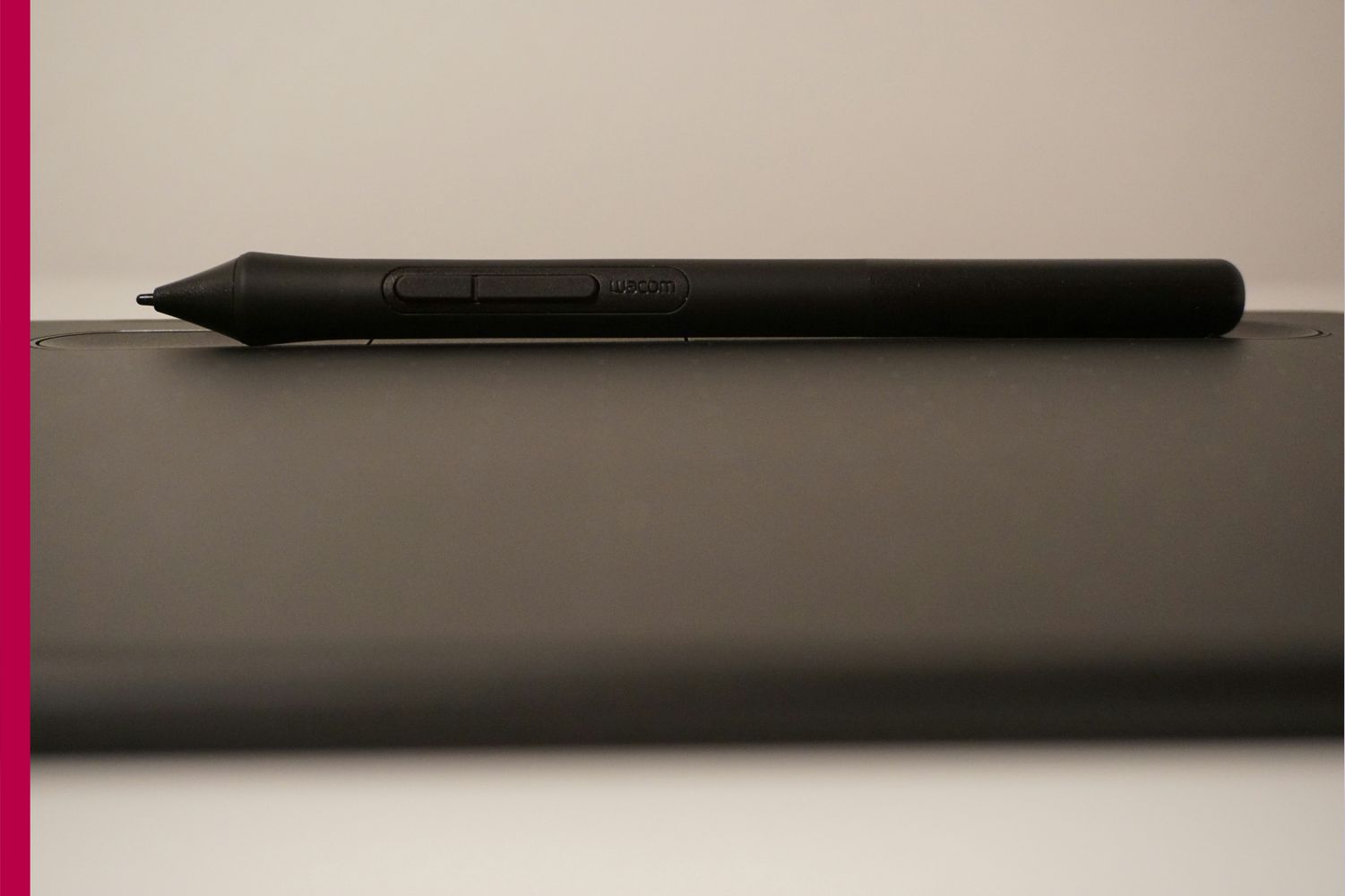
A 3D pen is an innovative creative tool that allows users to draw three-dimensional objects in real time. Unlike traditional pens that use ink, a 3D pen uses heated plastic filament or resin that melts inside the pen and hardens quickly after being released. This unique technology transforms imagination into physical form, making 3D pens popular among artists, designers, students, hobbyists, and educators.
The working principle of a 3D pen is simple yet fascinating. The pen heats the filament commonly PLA or ABS plastic and pushes it through a nozzle. As the material flows out, it cools and solidifies almost instantly, allowing users to “draw” in the air or on a surface. This process enables the creation of raised lines, structures, and free-standing models without the need for complex software or machinery.
One of the biggest advantages of a 3D pen is accessibility. Unlike 3D printers, which require digital modeling skills and setup time, a 3D pen allows immediate hands-on creation. Beginners can start with simple shapes, while experienced users can design intricate models, sculptures, and prototypes. This makes 3D pens ideal for learning, experimentation, and quick creative expression.
In education, 3D pens play an important role in enhancing learning experiences. They help students understand concepts such as geometry, engineering, architecture, and science through visual and tactile interaction. Creating models of molecules, geometric shapes, or mechanical parts helps learners grasp complex ideas more effectively. Additionally, 3D pens encourage creativity, problem-solving, and fine motor skills.
Artists and designers use 3D pens to add depth and detail to their work. From customizing artwork and fashion accessories to repairing small objects, the applications are wide-ranging. 3D pens are also useful for prototyping ideas before final production. Designers can quickly test concepts and make adjustments without investing in expensive tools.
Safety and ease of use are important considerations when using a 3D pen. Most modern 3D pens are designed with temperature controls and child-safe features. PLA filament, commonly used in 3D pens, is biodegradable and considered safer than other plastics. However, supervision is recommended for younger users due to the heated nozzle.
As technology advances, 3D pens continue to improve in precision, comfort, and functionality. Some models offer adjustable speeds, multiple filament types, and ergonomic designs for extended use. These improvements make the creative process smoother and more enjoyable for users of all skill levels.
In conclusion, the 3D pen is a powerful tool that bridges imagination and reality. It encourages creativity, hands-on learning, and innovation in a simple and engaging way. Whether used for education, art, or personal projects, a 3D pen empowers users to bring ideas to life, one line at a time.