




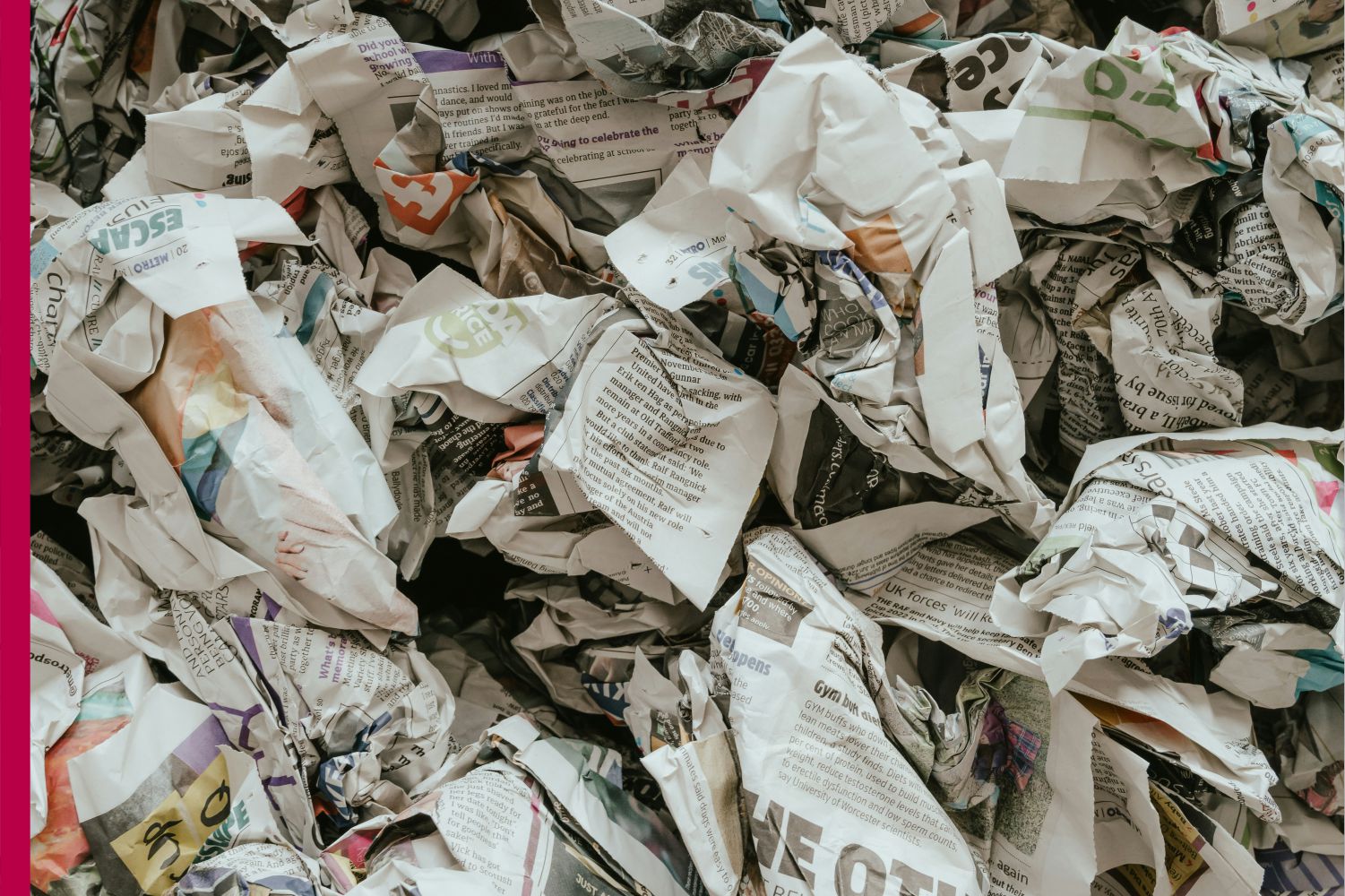
Paper recycling is one of the simplest and most effective ways to protect the environment and conserve natural resources. Paper is widely used in everyday life for books, packaging, newspapers, office work, and hygiene products. While paper is biodegradable, large-scale production leads to deforestation, water consumption, and energy use. Recycling paper helps reduce these impacts and supports a more sustainable and responsible lifestyle.
The paper recycling process begins with the collection of used paper materials such as newspapers, cardboard, magazines, and office paper. These materials are then sorted to remove contaminants like plastic, staples, and food waste. Once sorted, the paper is shredded and mixed with water to form a pulp. This pulp is cleaned, de-inked, and refined before being pressed and dried into new paper products. Through this cycle, old paper gains a new life instead of ending up in landfills.
One of the biggest advantages of paper recycling is the conservation of trees. Trees are essential for absorbing carbon dioxide, producing oxygen, and maintaining ecological balance. By recycling paper, fewer trees need to be cut down, helping preserve forests and wildlife habitats. It is estimated that recycling one ton of paper can save several trees, making a significant difference when practiced on a large scale.
Paper recycling also saves energy and water compared to producing paper from raw materials. Manufacturing paper from recycled pulp requires less processing, which results in lower greenhouse gas emissions. Reduced energy use helps combat climate change, while water conservation eases pressure on freshwater resources. These benefits highlight how recycling paper directly contributes to environmental protection.

In addition to environmental benefits, paper recycling supports economic growth and job creation. Recycling industries create employment opportunities in collection, sorting, processing, and manufacturing. It also reduces waste management costs for municipalities by decreasing the volume of waste sent to landfills. This makes recycling not only environmentally responsible but also economically beneficial.
Despite its advantages, paper recycling faces challenges. Contamination from food waste, mixed materials, or improper disposal can lower the quality of recycled paper. Public awareness and responsible disposal practices are essential to improve recycling efficiency. Using separate bins, avoiding wet or greasy paper, and choosing recyclable paper products can make a positive impact.
Individuals and organizations play a vital role in promoting paper recycling. Simple actions such as printing less, using both sides of paper, switching to digital alternatives, and supporting recycled paper products encourage sustainable consumption. Schools, offices, and businesses can implement recycling programs to reduce waste and raise environmental awareness.
In conclusion, paper recycling is a powerful tool for building a sustainable future. It conserves natural resources, saves energy and water, reduces pollution, and supports economic development. By making conscious choices and adopting recycling habits, everyone can contribute to protecting the environment and ensuring a healthier planet for future generations.