


A digital artist is a creative professional who uses digital tools and technologies to produce art. As technology has advanced, digital art has become one of the most influential and widely practiced forms of artistic expression. From illustrations and concept art to animations and interactive designs, digital artists play a vital role in shaping modern visual culture.
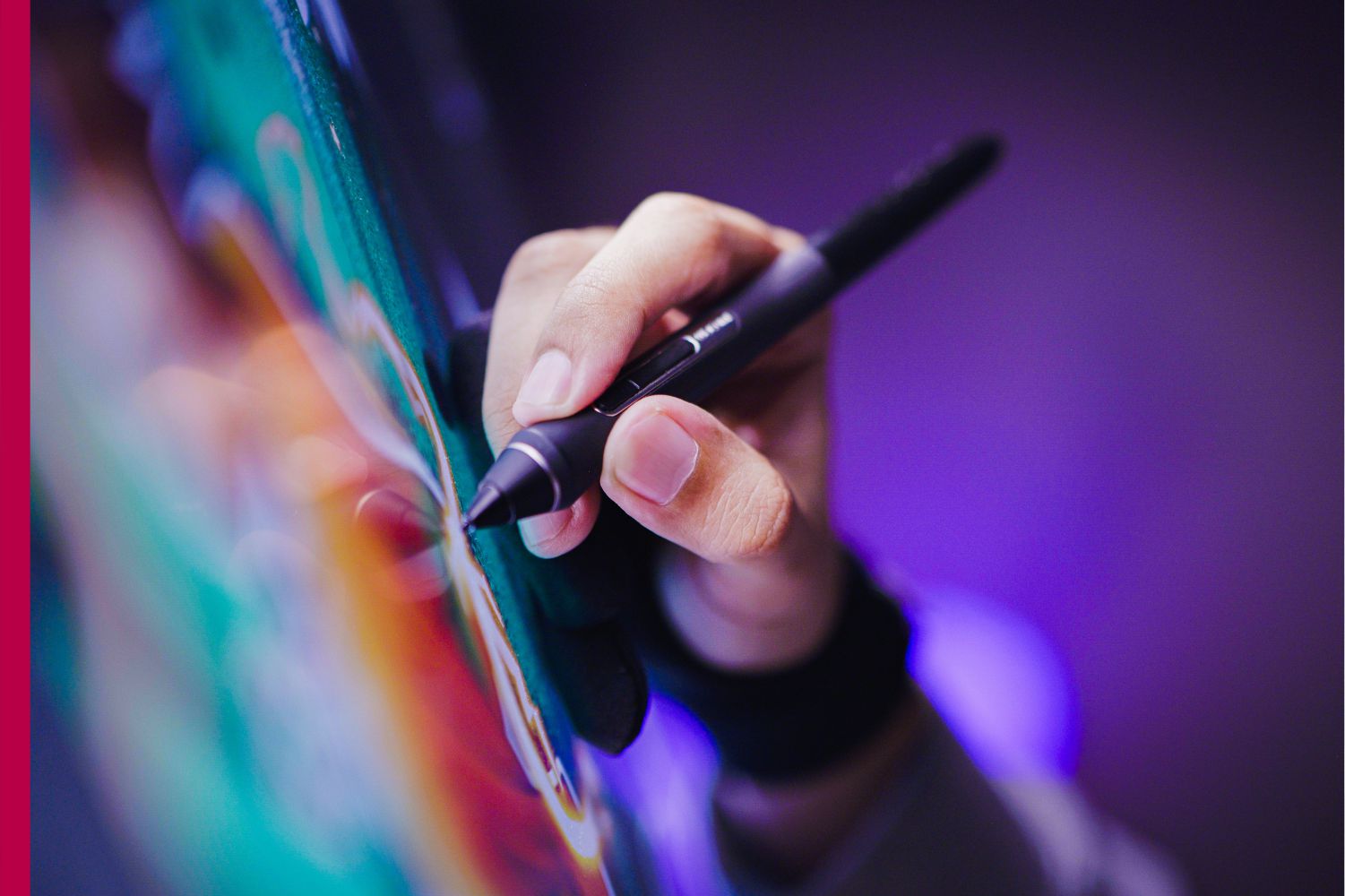
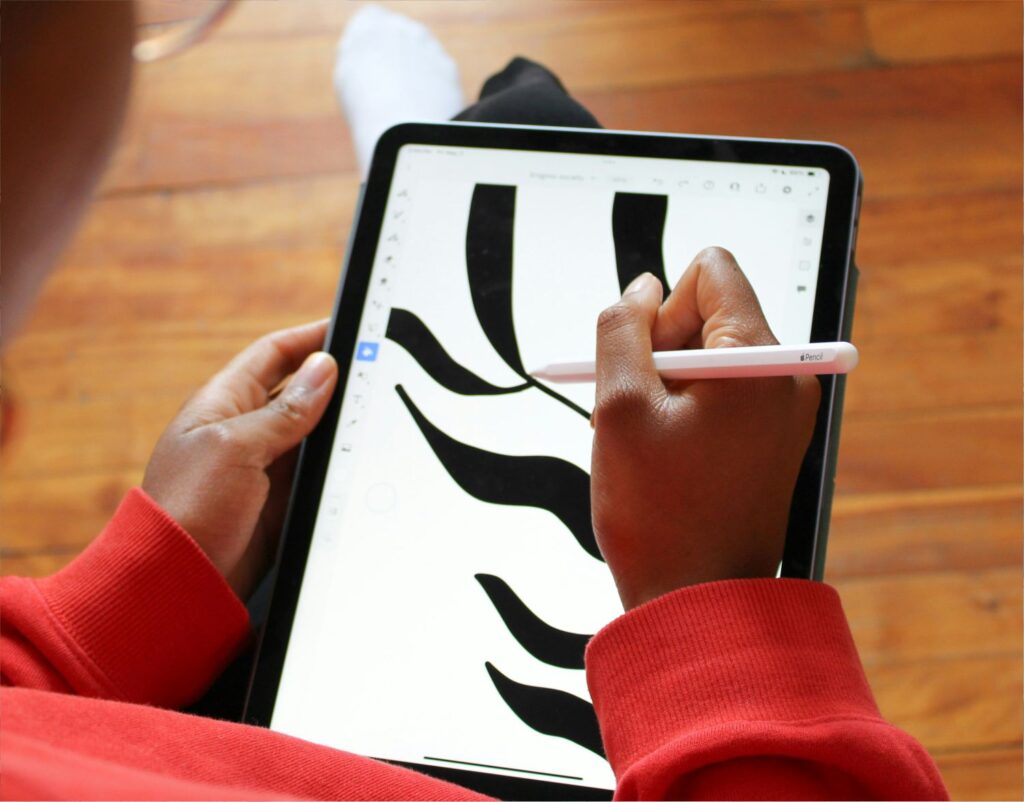
Digital artists work using computers, tablets, and specialized software to create artwork. Unlike traditional artists who rely on physical materials such as canvas and paint, digital artists use tools like styluses, graphic tablets, and digital brushes. These tools allow for precision, flexibility, and endless experimentation. Artists can easily edit, undo, layer, and refine their work, making the creative process more efficient and adaptable.
One of the key strengths of digital art is its versatility. Digital artists work across many industries, including gaming, film, advertising, publishing, fashion, and social media. In the entertainment industry, digital artists create characters, environments, and visual effects that bring stories to life. In marketing and branding, they design logos, illustrations, and visuals that communicate brand identity and attract audiences. This wide range of applications makes digital art a highly in-demand skill.
Creativity and technical skill go hand in hand for a digital artist. While software provides powerful features, the artist’s imagination, understanding of composition, color theory, and storytelling remain essential. A strong foundation in traditional art principles helps digital artists create visually compelling and emotionally engaging work. Technology enhances creativity, but it does not replace artistic vision.
Digital art also allows for rapid sharing and global reach. Artists can showcase their work online through websites, social media, and digital portfolios, reaching audiences around the world. This accessibility has opened new opportunities for collaboration, freelancing, and independent careers. Digital platforms have also given rise to online communities where artists share knowledge, feedback, and inspiration.
Another important aspect of being a digital artist is adaptability. Software tools and trends evolve quickly, requiring artists to continuously learn and update their skills. New technologies such as virtual reality, augmented reality, and artificial intelligence are expanding the possibilities of digital art. Artists who embrace innovation can explore new forms of expression and stay relevant in a competitive field.
Despite its advantages, digital art also presents challenges. Long hours of screen time can lead to physical strain, and the ease of copying digital work raises concerns about originality and copyright. Successful digital artists must balance creativity with discipline, protect their work, and maintain a healthy workflow.
In conclusion, a digital artist represents the fusion of art and technology. By combining creativity with digital tools, they shape the visual language of the modern world. As technology continues to evolve, digital artists will remain at the forefront of innovation, transforming ideas into powerful visual experiences that inspire and connect people globally.