





The da Vinci Surgical System represents a major breakthrough in the field of modern medicine, transforming the way complex surgeries are performed. Designed to enhance the capabilities of surgeons, this advanced robotic-assisted system combines precision, control, and minimally invasive techniques to improve patient outcomes. Since its introduction, the da Vinci Surgical System has become a powerful tool across various surgical specialties worldwide.
At its core, the da Vinci Surgical System does not replace the surgeon but acts as an extension of their hands and vision. The surgeon operates from a console, controlling robotic arms equipped with tiny surgical instruments. These instruments are capable of movements that exceed the natural range of the human hand, allowing for exceptional accuracy and flexibility. The system also provides a high-definition, three-dimensional view of the surgical area, giving surgeons enhanced depth perception and clarity.
One of the greatest advantages of the da Vinci Surgical System is its minimally invasive approach. Traditional open surgeries often require large incisions, leading to longer recovery times and increased risk of complications. In contrast, robotic-assisted surgery uses small incisions, resulting in less blood loss, reduced pain, minimal scarring, and faster recovery. Patients often experience shorter hospital stays and can return to normal activities more quickly.
The system is widely used in procedures such as urology, gynecology, general surgery, and cardiothoracic surgery. Operations like prostate removal, hysterectomy, colorectal surgery, and heart valve repair have greatly benefited from robotic assistance. The precision offered by the da Vinci system is especially valuable in delicate procedures where accuracy is critical and surrounding tissues must be preserved.
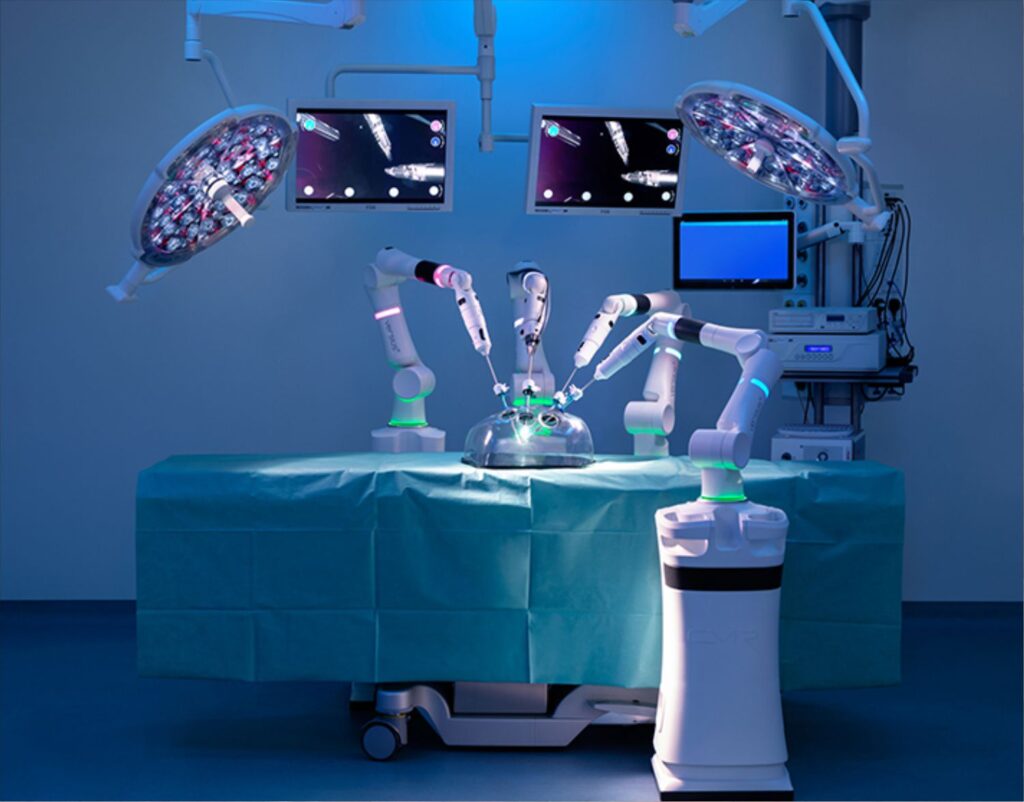
Another important feature of the da Vinci Surgical System is its ability to filter out hand tremors. Even the most skilled surgeons experience slight natural tremors, which can affect delicate surgical movements. The robotic system eliminates these tremors, ensuring steady and controlled actions. This level of precision enhances surgical safety and effectiveness, particularly in complex operations.
Training and skill development are essential aspects of using the da Vinci system. Surgeons undergo specialized training to master robotic techniques and understand the system’s capabilities. Simulation tools and practice modules allow surgeons to refine their skills before performing live procedures, ensuring high standards of care and patient safety.
Despite its many benefits, the da Vinci Surgical System also presents challenges. The cost of acquiring and maintaining the system is high, which can limit accessibility for some healthcare facilities. Additionally, the success of robotic surgery still depends on the expertise and judgment of the surgeon. Technology enhances skill, but it does not replace medical knowledge or experience.
In conclusion, the da Vinci Surgical System has redefined surgical precision and patient care. By combining advanced robotics with human expertise, it has set new standards in minimally invasive surgery. As technology continues to evolve, robotic-assisted systems like da Vinci are expected to play an even greater role in shaping the future of healthcare, offering safer, more efficient, and patient-centered surgical solutions.