




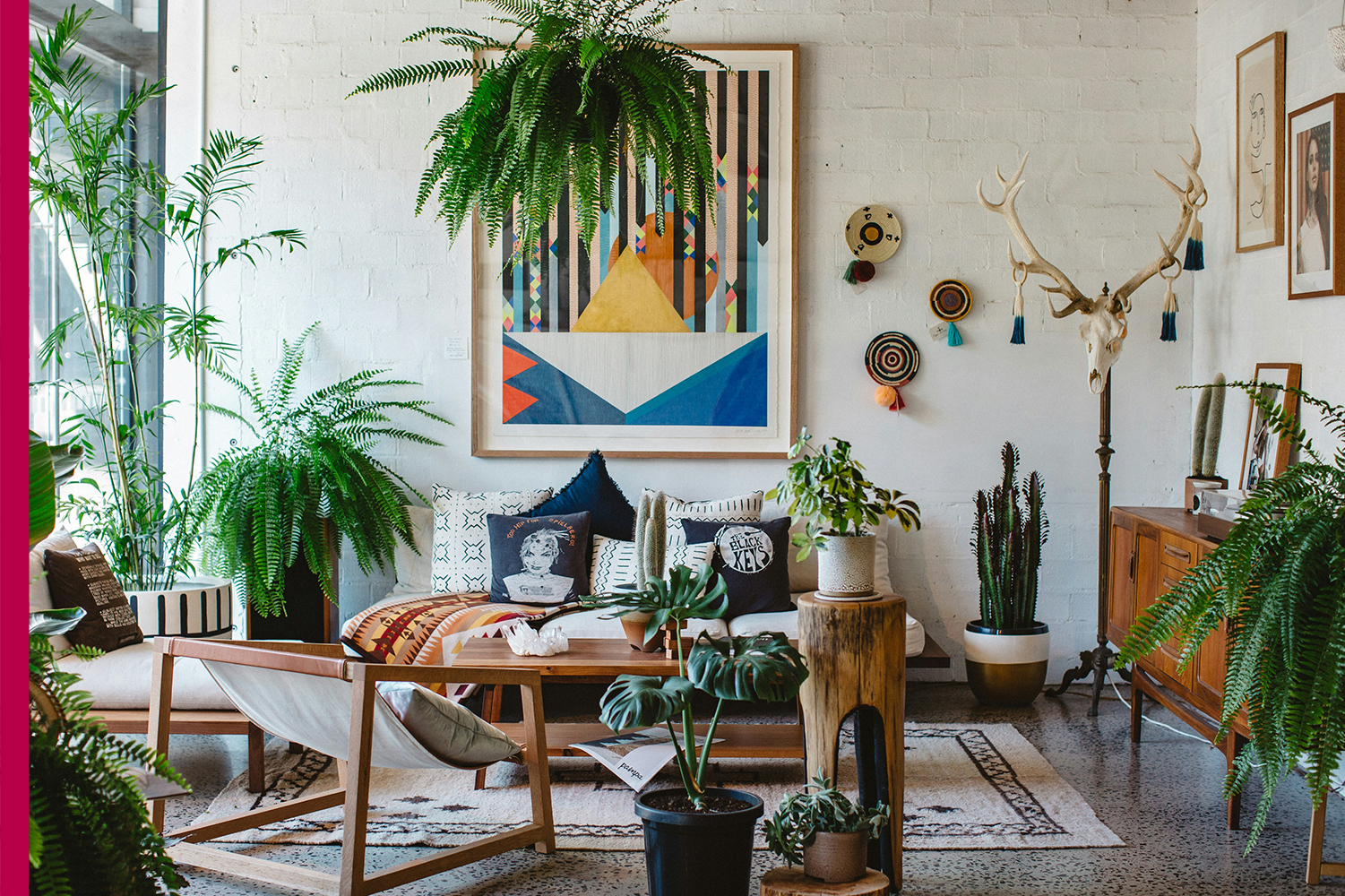



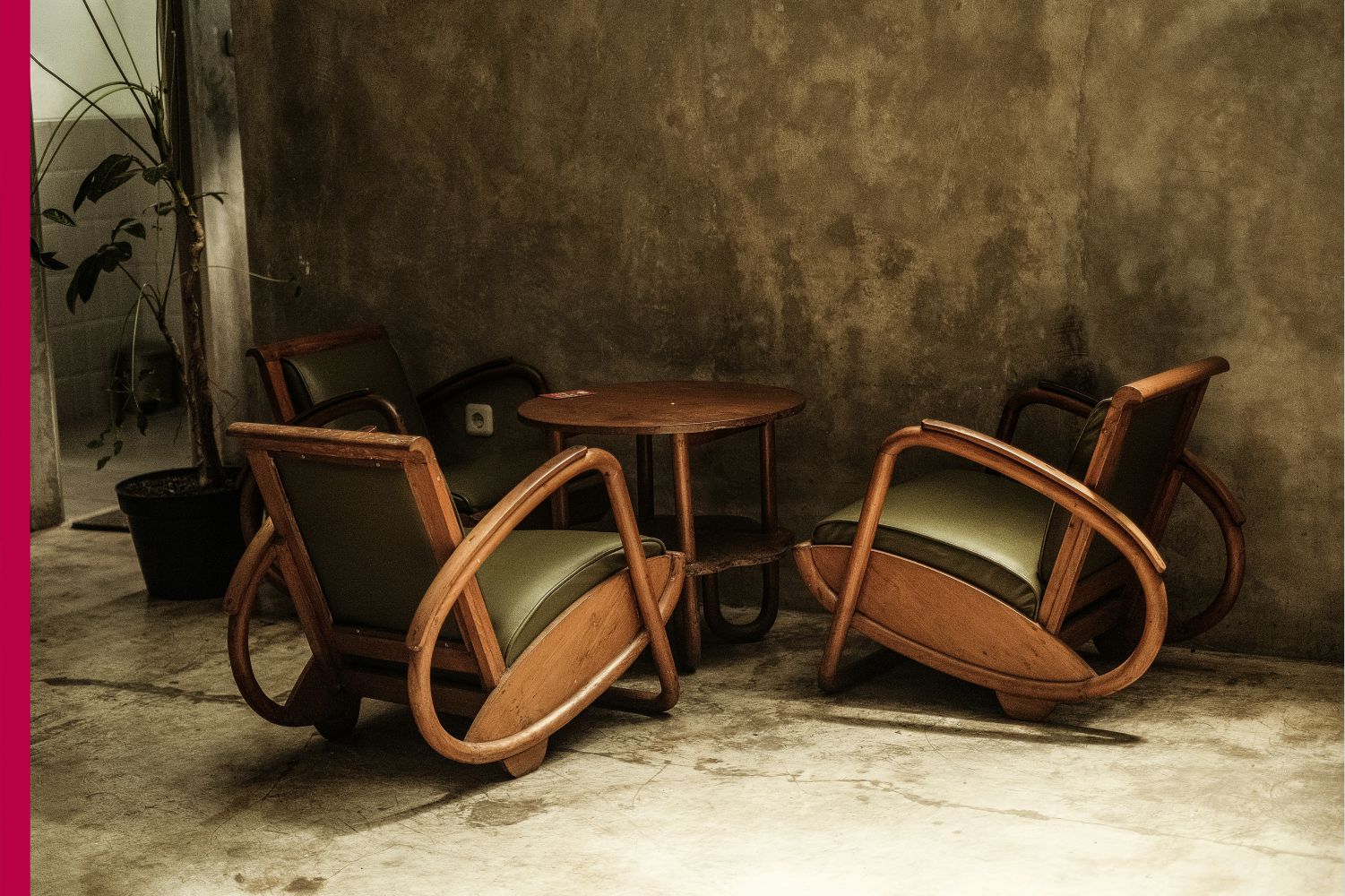
Modern furniture represents a perfect balance between functionality, aesthetics, and innovation. Rooted in simplicity and clean design, modern furniture has become a popular choice for homes, offices, and commercial spaces. Unlike traditional styles that focus on heavy ornamentation, modern furniture emphasizes minimalism, comfort, and practical use, making it highly suitable for today’s fast-paced lifestyles.
One of the defining characteristics of modern furniture is its clean lines and uncluttered forms. Designs are often sleek, geometric, and well-proportioned, creating a sense of openness and order. This simplicity allows modern furniture to blend effortlessly with different interior styles, from minimalist apartments to luxurious contemporary homes. By avoiding unnecessary decoration, modern furniture creates a calm and visually appealing environment.
Functionality is at the core of modern furniture design. Every piece is created with a purpose, ensuring maximum utility without compromising style. Multi-functional furniture such as sofa beds, modular seating, expandable tables, and smart storage units are widely used in modern interiors. These designs are especially valuable in urban living spaces where efficient use of space is essential.
Materials play a significant role in shaping modern furniture. Commonly used materials include wood, metal, glass, leather, and high-quality plastics. Natural materials like wood add warmth, while metal and glass contribute to a sleek, industrial feel. Many modern furniture pieces combine multiple materials to achieve both durability and visual contrast. In recent years, sustainable and eco-friendly materials have gained importance, reflecting growing environmental awareness.
Comfort is another key element of modern furniture. Ergonomic designs ensure that furniture supports the body properly, enhancing relaxation and productivity. Chairs, sofas, and workstations are designed to promote good posture and reduce physical strain. This focus on comfort makes modern furniture suitable not only for homes but also for offices and workspaces where long hours are spent.
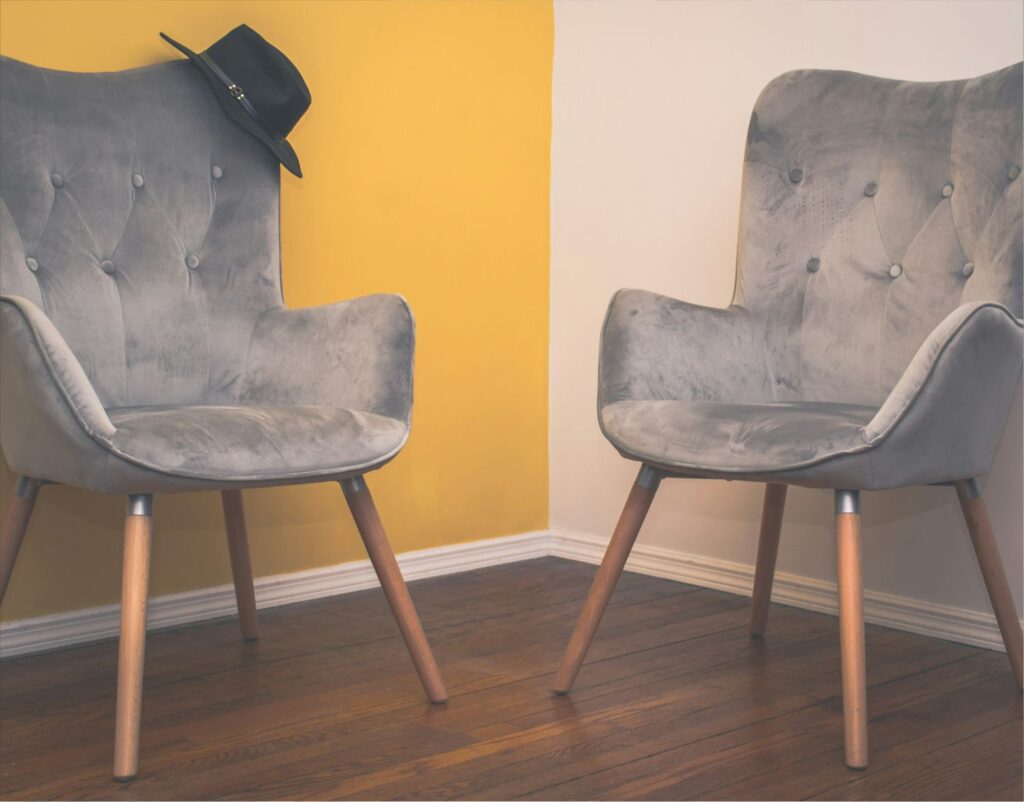
Color palettes in modern furniture are typically neutral, with shades like white, grey, beige, and black dominating the scene. These colors create a timeless base and allow flexibility in interior décor. Accent colors are often introduced through cushions, upholstery, or statement furniture pieces, adding personality and visual interest without overwhelming the space.
Technology has also influenced modern furniture design. Smart furniture integrated with charging ports, lighting, and adjustable features is becoming increasingly popular. These innovations enhance convenience and align furniture design with modern digital lifestyles. Customization options further allow users to adapt furniture according to their preferences and space requirements.
In conclusion, modern furniture is a reflection of contemporary living. It combines simplicity, comfort, and innovation to meet the needs of modern lifestyles. By focusing on functionality and clean aesthetics, modern furniture creates spaces that are both stylish and practical. As design trends continue to evolve, modern furniture remains a timeless choice that adapts effortlessly to changing tastes and living environments.