





OLED panels have transformed the way we experience visual content, setting new standards for display quality across smartphones, televisions, monitors, and wearable devices. OLED, which stands for Organic Light-Emitting Diode, is a display technology where each pixel produces its own light. Unlike traditional LCD screens that rely on backlighting, OLED panels illuminate individual pixels independently, resulting in superior contrast, vibrant colors, and remarkable energy efficiency.
One of the most significant advantages of OLED panels is their ability to produce true blacks. Since each pixel can turn off completely when displaying black, OLED screens achieve infinite contrast ratios. This feature enhances image depth and realism, making movies, games, and photographs appear more immersive. Dark scenes are richer, shadows are more detailed, and highlights stand out sharply against black backgrounds.
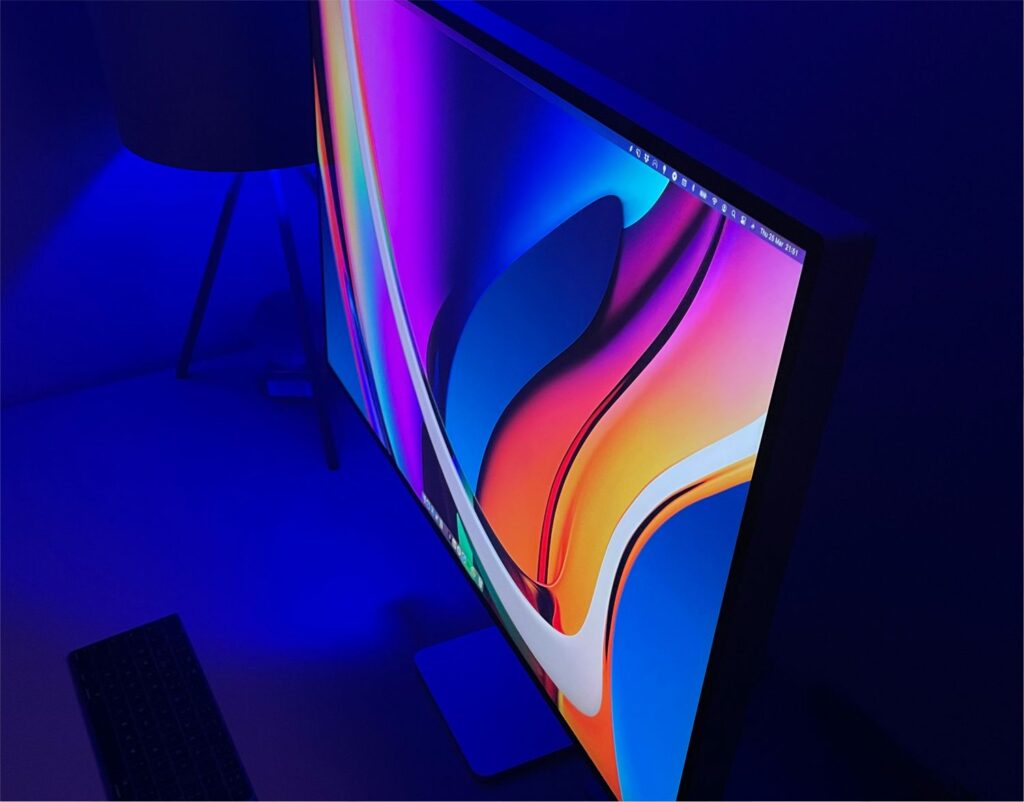
Color reproduction is another area where OLED panels excel. They offer wider color gamuts and more accurate color representation compared to many other display technologies. Colors appear vivid yet natural, making OLED ideal for creative professionals such as photographers, video editors, and designers who rely on precise visuals. High dynamic range (HDR) content looks especially impressive on OLED displays, with brighter highlights and deeper blacks enhancing overall image quality.
OLED panels are also known for their slim and flexible design. Because they do not require bulky backlight units, OLED displays can be made extremely thin and lightweight. This has enabled innovations such as curved screens, foldable smartphones, and rollable displays. Manufacturers continue to explore creative form factors, pushing the boundaries of product design and user experience.
Energy efficiency is another important benefit of OLED technology. Since pixels only consume power when they are lit, OLED panels use less energy when displaying darker content. This makes them particularly suitable for smartphones and wearable devices, where battery life is crucial. Dark mode features on modern operating systems take advantage of OLED’s power-saving capabilities, further enhancing efficiency.
Despite their advantages, OLED panels also have challenges. One of the most discussed concerns is burn-in, where static images displayed for long periods can leave a permanent mark on the screen. While modern OLED panels have improved significantly with pixel-shifting and screen-protection technologies, careful usage is still recommended. Additionally, OLED displays tend to be more expensive to produce, which can increase the cost of devices that use them.
OLED panels are widely used across various industries. In consumer electronics, they dominate premium smartphones and high-end televisions. In automotive displays, OLED panels provide clear visibility and modern aesthetics. They are also finding applications in medical equipment, virtual reality headsets, and smart devices due to their clarity and fast response times.
As display technology continues to evolve, OLED remains at the forefront of innovation. Ongoing research focuses on improving durability, reducing costs, and enhancing brightness levels. New developments such as OLED Evo and QD-OLED aim to push performance even further.
In conclusion, OLED panels represent a major leap forward in display technology. Their exceptional contrast, color accuracy, design flexibility, and efficiency make them a preferred choice for modern devices. As advancements continue, OLED displays will play an even greater role in shaping how we view and interact with digital content.