








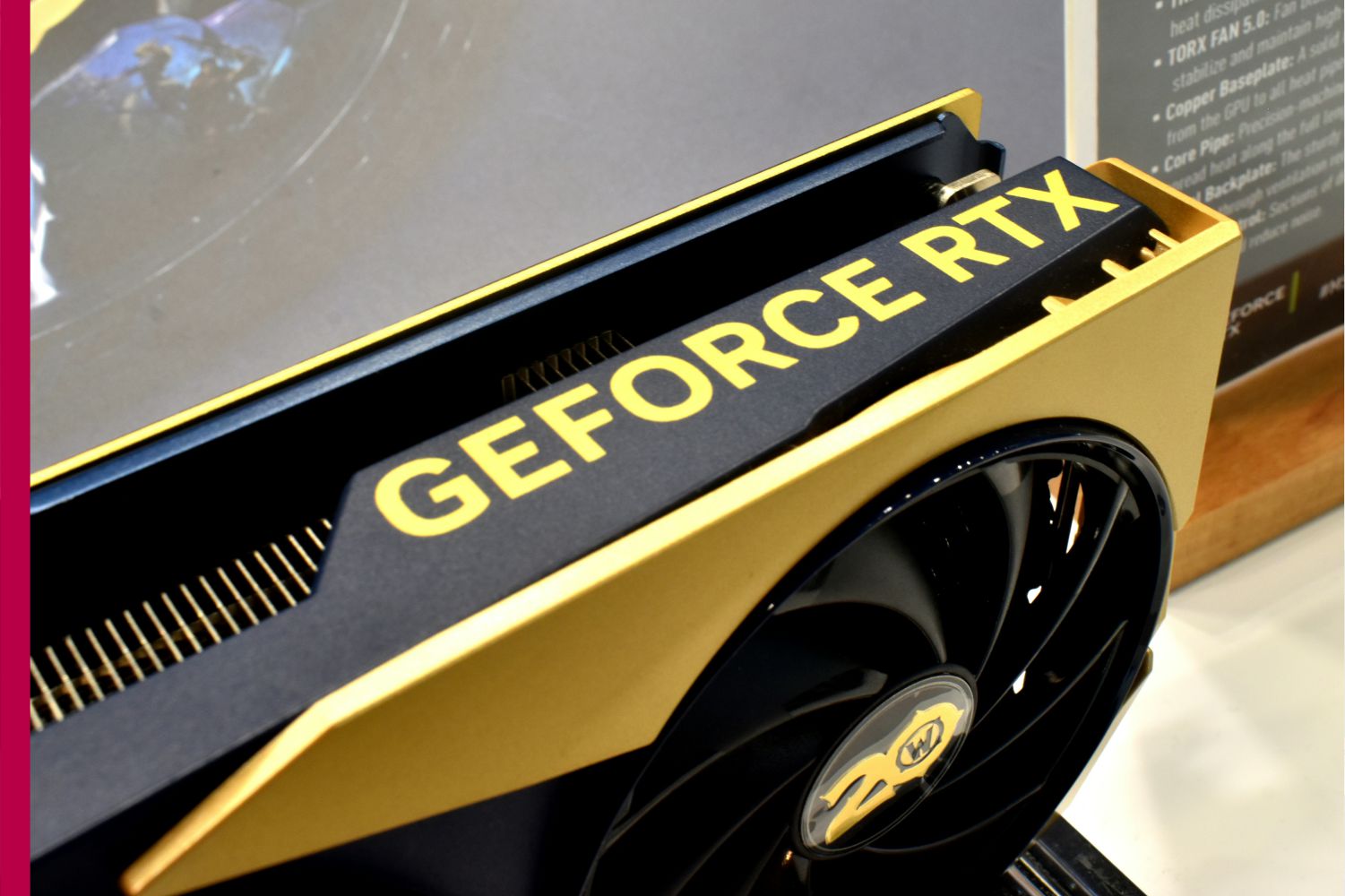
A graphics card, often referred to as a GPU (Graphics Processing Unit), is one of the most important components in modern computers. Whether it’s for gaming, video editing, animation, 3D rendering, or even artificial intelligence, graphics cards play a critical role in delivering high-quality visuals and fast performance. As digital content continues to grow more advanced, GPUs have become essential not just for entertainment but for professional work and scientific innovation.
At its core, a graphics card is responsible for rendering images, videos, and animations on the screen. While the CPU handles general tasks, the GPU specializes in visual processing, managing millions of calculations simultaneously. This ability to process data in parallel makes GPUs incredibly powerful for tasks that require heavy visual or mathematical computation. As a result, they are the backbone of modern gaming systems and creative workstations.
Gamers are among the biggest beneficiaries of advanced GPUs. A high-quality graphics card can deliver realistic lighting, detailed textures, smooth frame rates, and immersive visual effects. Technologies like ray tracing simulate natural light and shadows, bringing virtual environments closer to real life. Without a capable GPU, even the most basic games can feel slow, pixelated, or unresponsive. With one, the gaming experience becomes fluid, vibrant, and unforgettable.
However, graphics cards are not only about gaming. They are vital tools for digital artists, 3D modelers, architects, and filmmakers. Tasks like rendering 3D scenes, editing high-resolution videos, and running design software require immense processing power. A strong GPU reduces rendering time drastically, allowing professionals to work faster and more efficiently. The creative industry relies heavily on GPUs to bring ideas to life with precision and speed.
In recent years, GPUs have also become essential in fields such as AI, machine learning, and scientific research. Their ability to process large amounts of data in parallel makes them ideal for training neural networks, analyzing big data, and performing complex simulations. Innovations in GPU technology have contributed to breakthroughs in medicine, weather prediction, and robotics, proving that graphics cards are more than just visual tools they are engines of future technology.
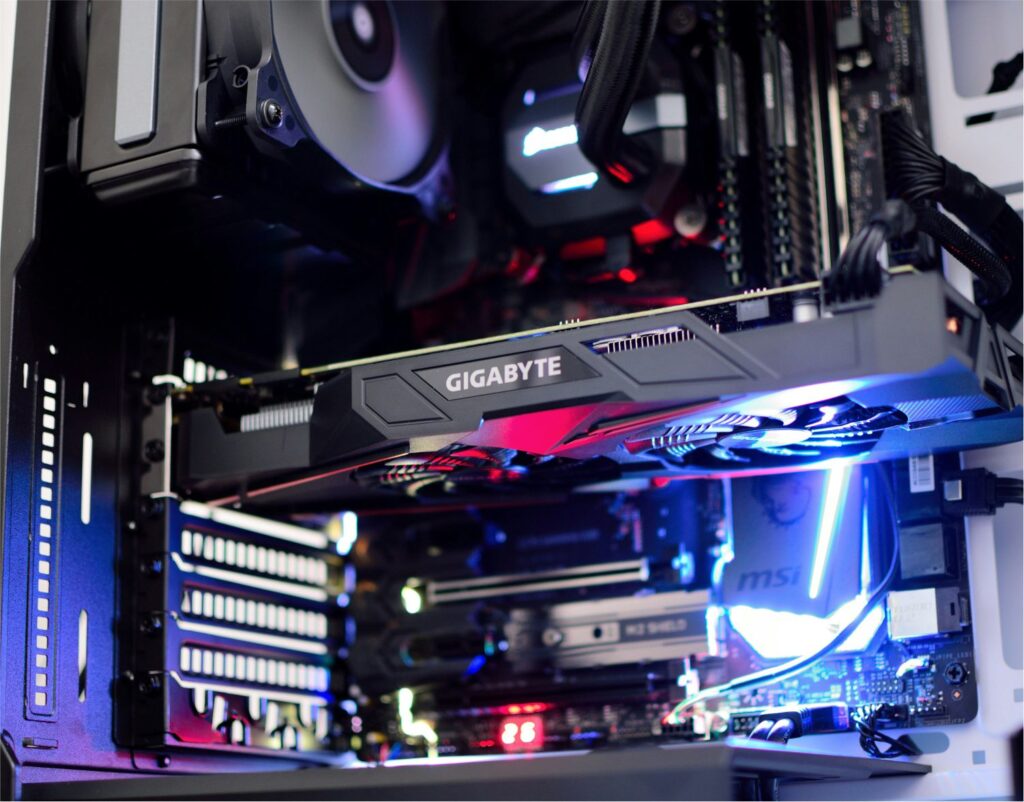
A typical graphics card includes components such as the GPU chip, VRAM (video memory), cooling system, and output ports. VRAM is crucial because it stores textures, models, and frame buffers needed for rendering. Higher VRAM allows for smoother performance, especially in high-resolution displays or heavy applications. Cooling systems, including fans and heat sinks, ensure the GPU doesn’t overheat during intensive tasks.
Choosing the right graphics card depends on usage needs. Entry-level GPUs work well for casual users who browse the web or stream videos. Mid-range GPUs are ideal for gamers and creators who want strong performance without high costs. High-end GPUs, often used in gaming enthusiast systems or professional studios, provide the most powerful capabilities but come at premium prices.
Despite their importance, graphics cards can also pose challenges, especially during global shortages when prices rise sharply. Power consumption, heat generation, and compatibility are factors users must consider before upgrading. Graphics cards play an essential role in modern technology, powering everything from stunning game graphics to groundbreaking scientific discoveries. As digital demands grow, GPUs will continue to evolve, offering even greater performance and shaping the future of computing in remarkable ways.