




Jewelry design is a captivating blend of creativity, craftsmanship, and cultural expression. From ancient civilizations to modern fashion runways, jewelry has served as a symbol of beauty, status, and personal identity. Behind every necklace, ring, bracelet, or earring lies the imagination of a jewelry designer an artist who transforms raw materials into wearable art. The world of jewelry design continues to evolve, shaped by changing trends, advanced technology, and the timeless human desire to adorn and express.
At its core, jewelry design is storytelling. Each piece reflects emotions, traditions, and artistic influences. Designers draw inspiration from nature, architecture, history, and even personal experiences. Whether carving intricate motifs for a bridal ornament or crafting a sleek, minimalist pendant for daily wear, the designer’s vision gives each piece its unique soul. Jewelry is often worn to celebrate milestones, cultural rituals, or simply to reflect one’s personality, making it one of the most intimate forms of artistic expression.
The process of designing jewelry begins with conceptualization. Designers sketch ideas, refine shapes, and experiment with various styles to find the perfect balance of form and function. Every curve, gemstone placement, and metal choice is thoughtfully planned. Once the design is finalized, it moves into prototyping and creation. Skilled artisans shape metals like gold, silver, and platinum, while gem-cutters prepare stones to enhance their brilliance. This harmony between designer and craftsman is what brings a jewelry piece to life, combining artistic vision with technical expertise.
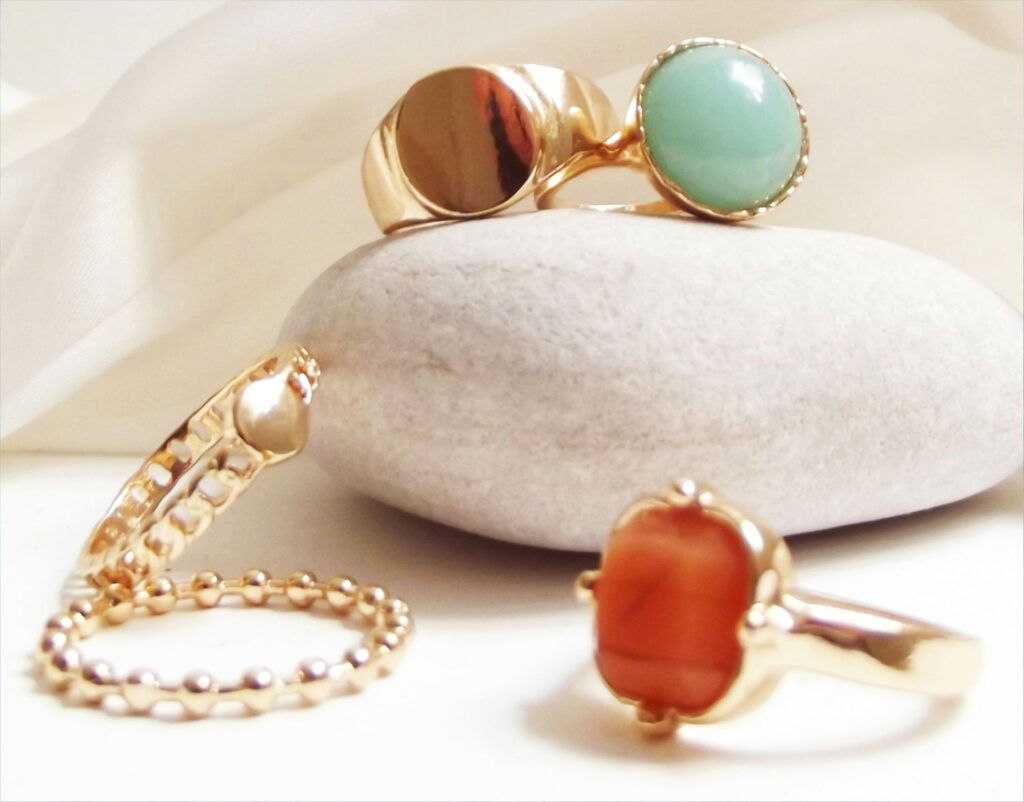
Materials play a crucial role in jewelry design. Precious metals and gemstones have long been valued for their beauty and rarity, but today’s designers also work with unconventional materials such as resin, wood, ceramics, and recycled elements. These alternative materials allow for innovative and sustainable designs, appealing to modern buyers who prioritize eco-conscious choices. The rise of lab-grown diamonds and ethical sourcing of gemstones also reflects the industry’s shift toward responsibility and transparency.
Technology has revolutionized the field of jewelry design. Computer-aided design (CAD) software enables designers to create highly precise models, experiment with complex structures, and visualize pieces before they are crafted. 3D printing has also opened new possibilities, allowing intricate patterns and lightweight forms that were once impossible to achieve by hand. These advancements not only speed up production but also allow designers to push creative boundaries further than ever.
Jewelry trends continue to shift with evolving lifestyles. Minimalist jewelry has gained popularity for its simplicity and elegance, while vintage-inspired designs appeal to those who appreciate timeless charm. Personalized jewelry—engraved names, initials, birthstones—has also seen a surge as people seek pieces with emotional significance. Meanwhile, cultural and traditional jewelry continues to hold strong importance, especially in regions where ornaments symbolize values, heritage, and community identity.
Ultimately, jewelry design is an art that celebrates creativity, craftsmanship, and human expression. Every piece, whether simple or elaborate, tells a story and captures a moment in time. As technology grows and tastes evolve, the world of jewelry design will continue to expand, offering endless possibilities for artistic innovation. What remains constant is the magic of transforming simple materials into treasured works of art—pieces that people wear, cherish, and pass down through generations.