




Energy conservation has become a crucial topic in today’s rapidly developing world, where rising energy demands and environmental challenges have pushed societies to rethink how they use and manage resources. Whether it is electricity, fuel, or natural gas, conserving energy is essential not only for reducing costs but also for protecting the planet. As populations grow and industries expand, the pressure on energy systems intensifies, making conservation a necessary practice for a sustainable future.
At its core, energy conservation means using energy more efficiently and avoiding unnecessary waste. This can involve simple everyday habits, technology-driven solutions, or large-scale changes in infrastructure and policy. One of the biggest benefits of conserving energy is the reduction of greenhouse gas emissions. When we use less energy, especially from fossil fuels, we reduce the amount of carbon dioxide released into the atmosphere. This helps slow down climate change, improve air quality, and protect ecosystems threatened by rising temperatures.
Energy conservation also plays a vital role in saving natural resources. Traditional power generation relies heavily on coal, oil, and gas—resources that take millions of years to form and are limited in supply. As these resources become scarcer, their extraction becomes more harmful to the environment and more expensive. By using energy wisely, we extend the life of these resources and reduce the environmental damage caused by mining and drilling.
In homes and workplaces, small actions can make a significant difference. Turning off lights when they are not needed, using energy-efficient appliances, reducing air conditioner usage, and adopting LED bulbs are simple yet effective ways to save energy. Modern technology has also introduced smart home systems that optimize energy use automatically by adjusting lighting, heating, and cooling based on need. These innovations help households lower electricity bills and reduce their carbon footprint.

Industries, which consume large amounts of energy, are also embracing conservation. Many factories now use energy-efficient machinery, adopt renewable energy sources, and follow sustainable manufacturing practices. These changes not only reduce operational costs but also enhance reputation and competitiveness in a market that increasingly values environmental responsibility. Governments worldwide are encouraging these efforts by offering incentives and enforcing regulations that promote cleaner and more efficient energy use.
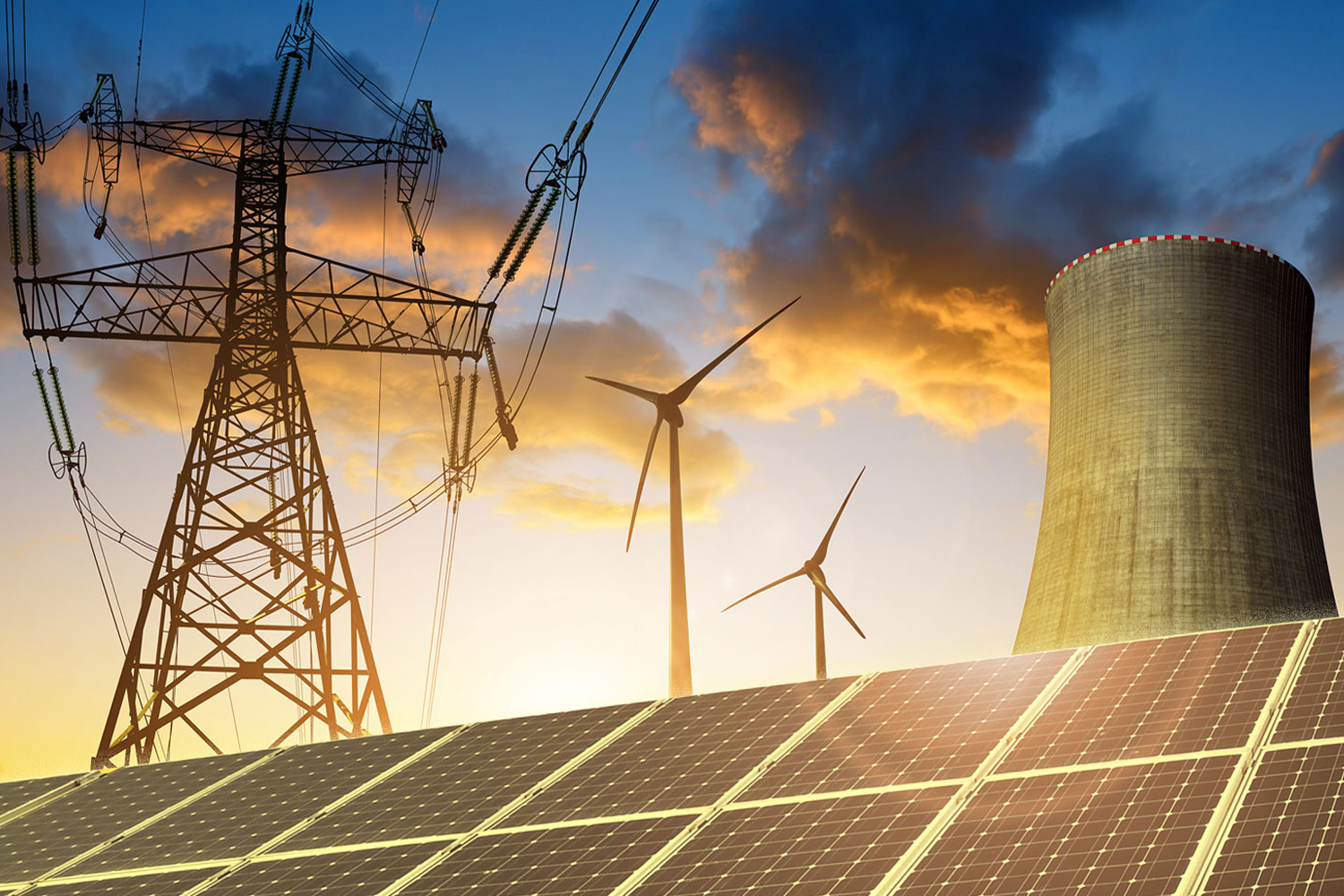
Renewable energy plays a key role in the broader effort toward conservation. Solar, wind, hydro, and geothermal energy are sustainable alternatives that reduce dependence on fossil fuels. When combined with energy-saving practices, renewable energy creates a powerful solution to global energy challenges. Many homes and businesses now use solar panels to generate their own electricity, further reducing strain on conventional power systems.
Education and awareness are equally important in promoting energy conservation. When people understand how their daily habits affect the environment and energy supply, they become more motivated to adopt sustainable practices. Schools, communities, and media platforms play a vital role in spreading this awareness and inspiring collective action.
Energy conservation is not just a necessity it is a responsibility that everyone shares. By making conscious choices and embracing sustainable technologies, society can reduce environmental impact, prepare for the future, and ensure that energy remains available for generations to come. Through small steps and collective effort, conserving energy becomes one of the most powerful ways to protect our planet.