




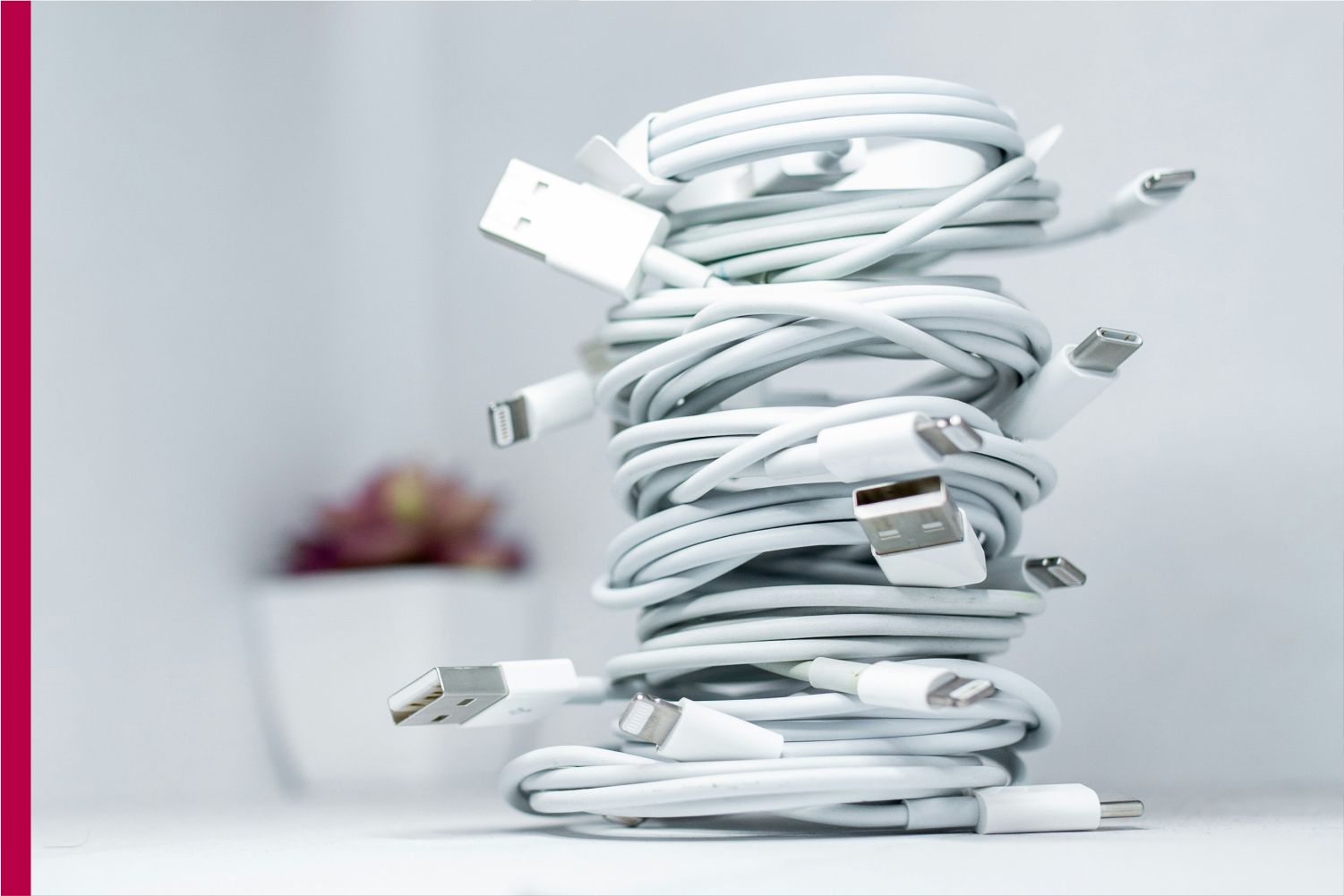
USB wires are essential components of modern technology, acting as the silent connectors that keep our devices powered, synced, and functional. From charging smartphones to transferring data between computers, USB cables have become an everyday necessity. Though they may appear simple at first glance, USB wires are designed with a combination of engineering, compatibility, and efficiency that makes them vital in the digital world.
Universal Serial Bus (USB) technology was introduced in the late 1990s to simplify the way devices connect to computers. Before USB, people struggled with multiple ports, confusing cables, and slow transfer speeds. USB wires solved this issue by providing a universal connection method that worked for a wide range of devices. Over time, USB standards have evolved significantly, each version offering faster data transfer and better power delivery.
Today, the most common types of USB connectors include USB-A, USB-B, Micro-USB, Mini-USB, and the increasingly popular USB-C. USB-A is the classic rectangular port found on computers, chargers, and older devices. USB-B is typically used with printers and scanners. Micro-USB and Mini-USB were common in older phones, cameras, and gadgets, offering compact designs but limited durability. USB-C, the latest and most advanced connector, is reversible, faster, and capable of carrying higher power, making it the new standard for smartphones, laptops, and tablets.
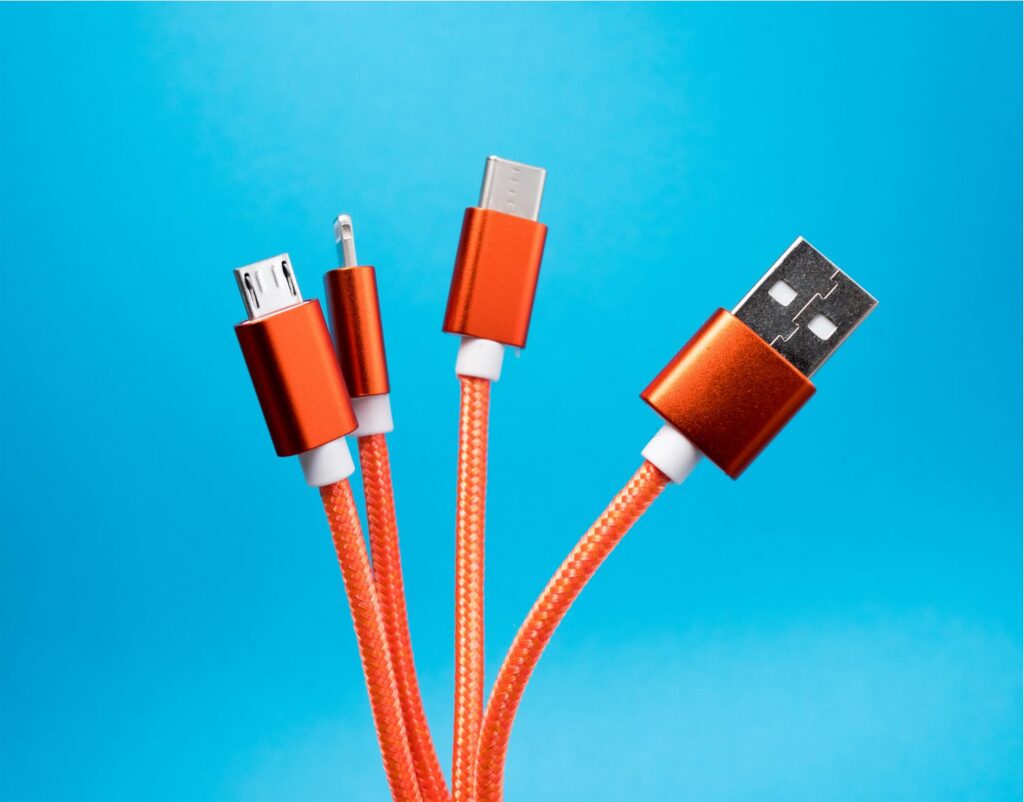
One of the key strengths of USB wires is their ability to handle both power and data simultaneously. This means a single cable can charge a device while transferring files at the same time. The latest USB standards, such as USB 3.0 and USB 3.2, offer incredibly fast data transfer speeds, making tasks like moving large videos or backing up information much more efficient. USB4 and Thunderbolt-compatible USB-C cables take this even further, supporting high-speed connections suitable for professional editing, gaming, and advanced computing.
Power delivery is another important aspect of USB wires. Earlier cables could provide limited power, just enough to charge small devices slowly. However, modern USB-C cables with Power Delivery (PD) technology can deliver up to 100W or more, enabling them to charge laptops, monitors, and even some gaming systems. This advancement reduces the need for bulky chargers and simplifies how devices get their energy.
Despite their convenience, USB wires can vary greatly in quality. Cheap or low-standard cables may deliver poor charging performance, slow data speed, or even damage devices. High-quality cables are built with better shielding, stronger connectors, and technology that ensures safe power delivery. As devices become more powerful, using the right cable becomes essential for safety and performance.
USB wires may seem like small accessories, but they play a huge role in keeping modern life connected. Whether transferring important files, charging essential devices, or linking technology together, these cables form the backbone of everyday digital interactions. As technology continues to advance, USB cables will evolve even further, making connectivity faster, safer, and more efficient for the future.